



Film music kickstarts the Aurora’s 50th birthday celebrations in ‘Aurora Resounds’
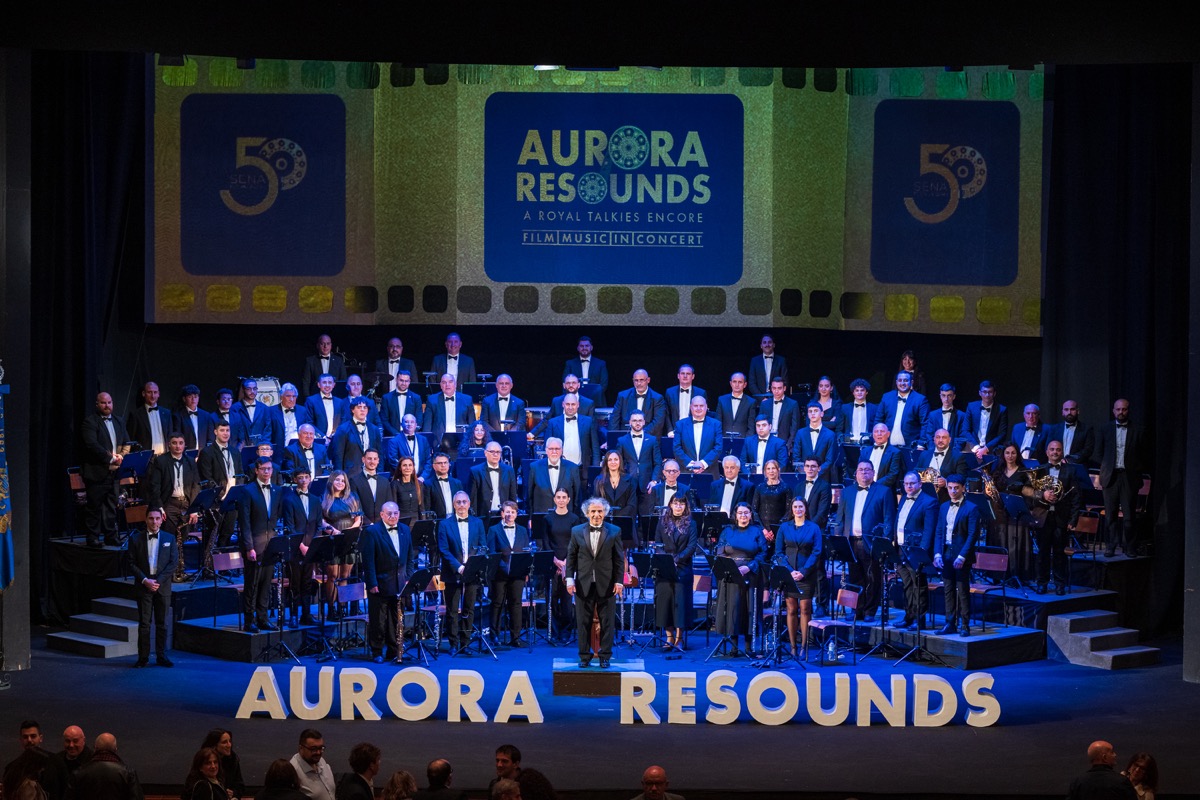
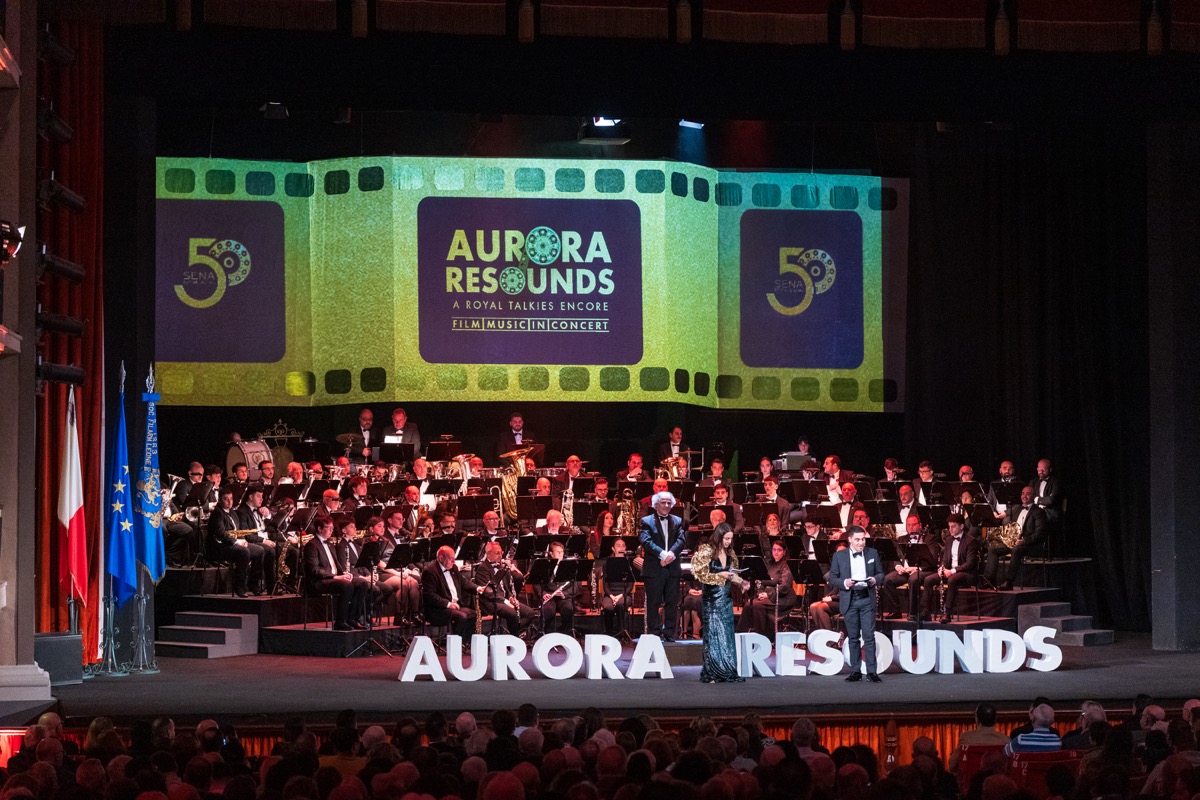
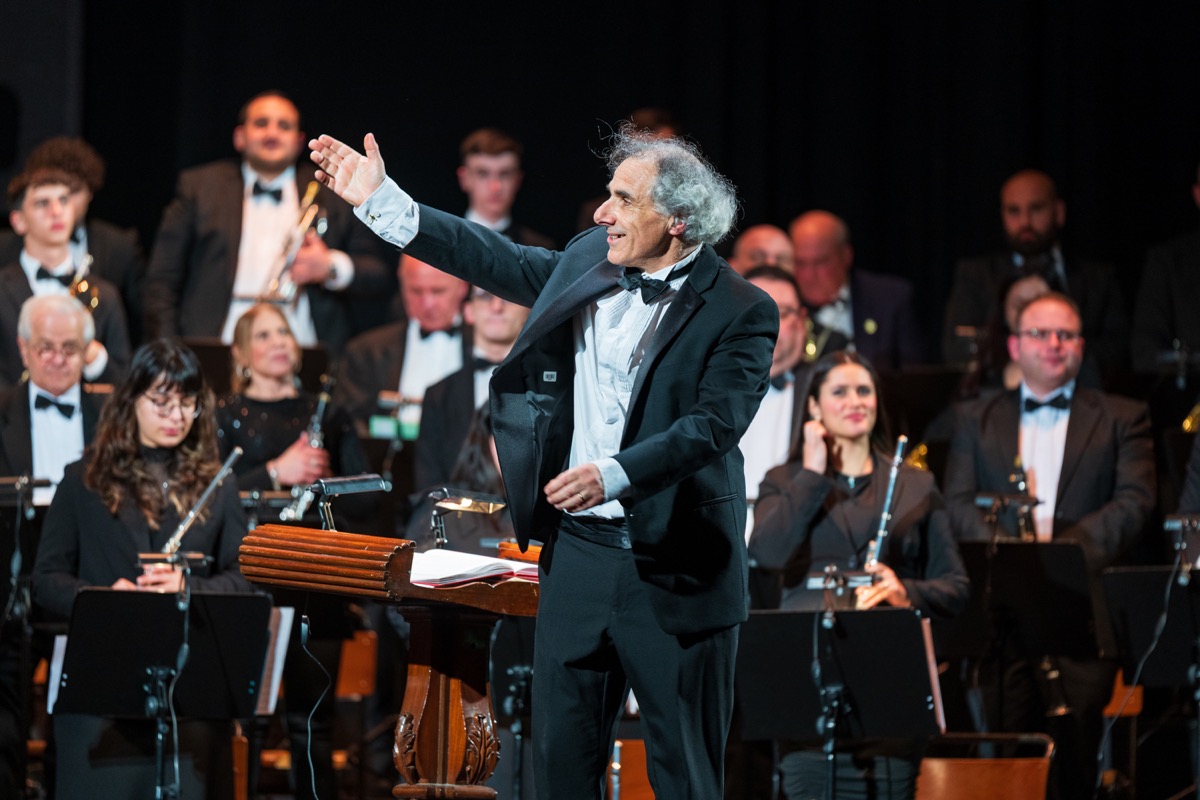
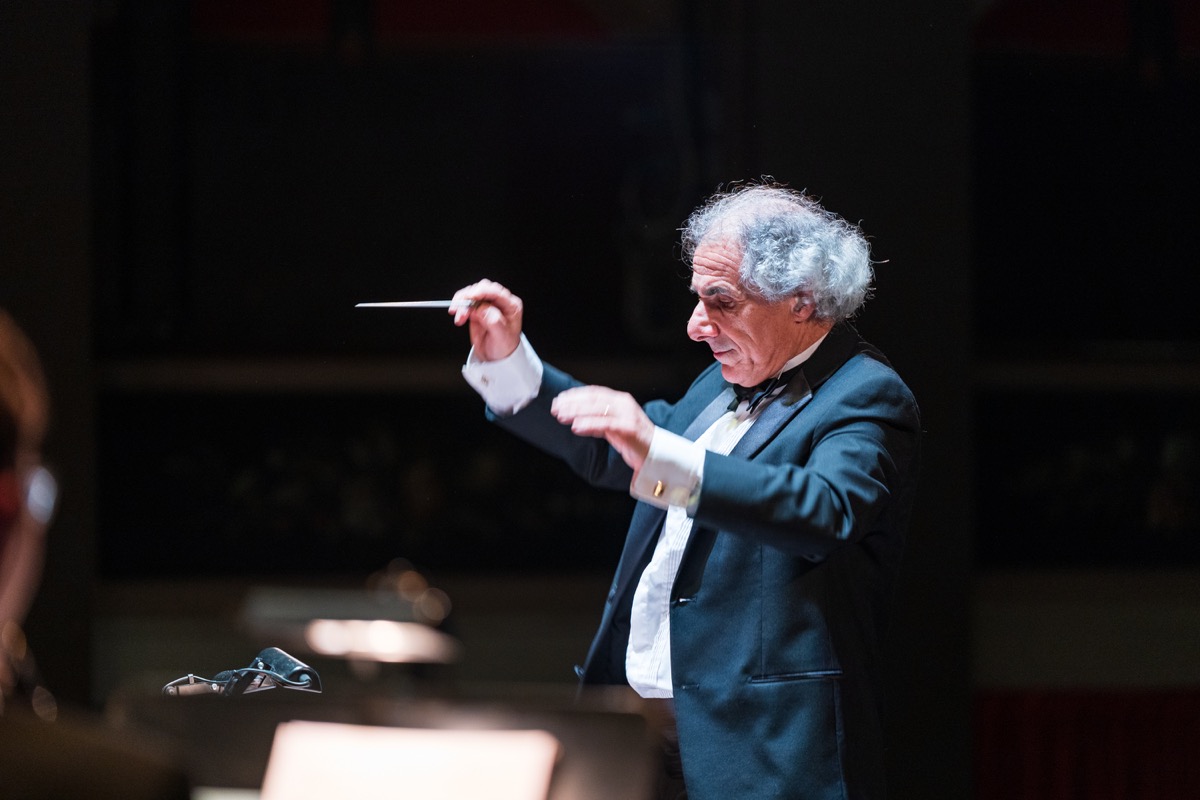
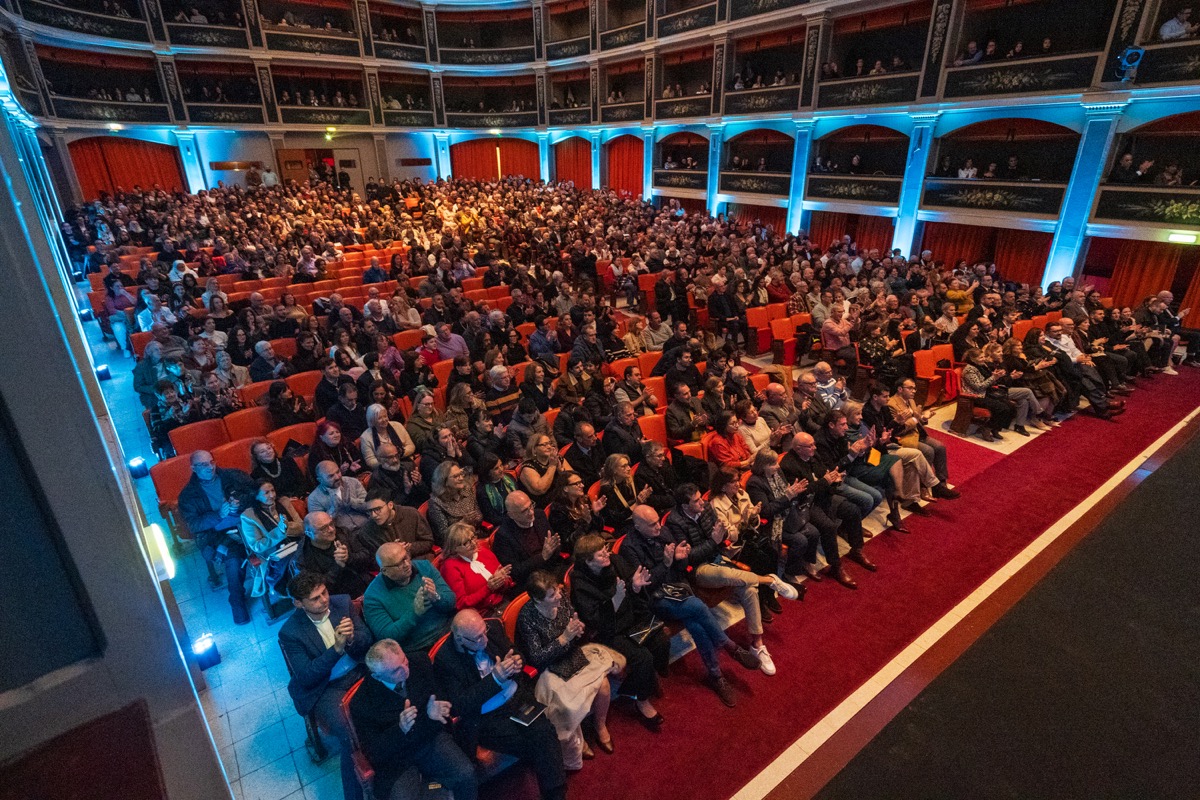
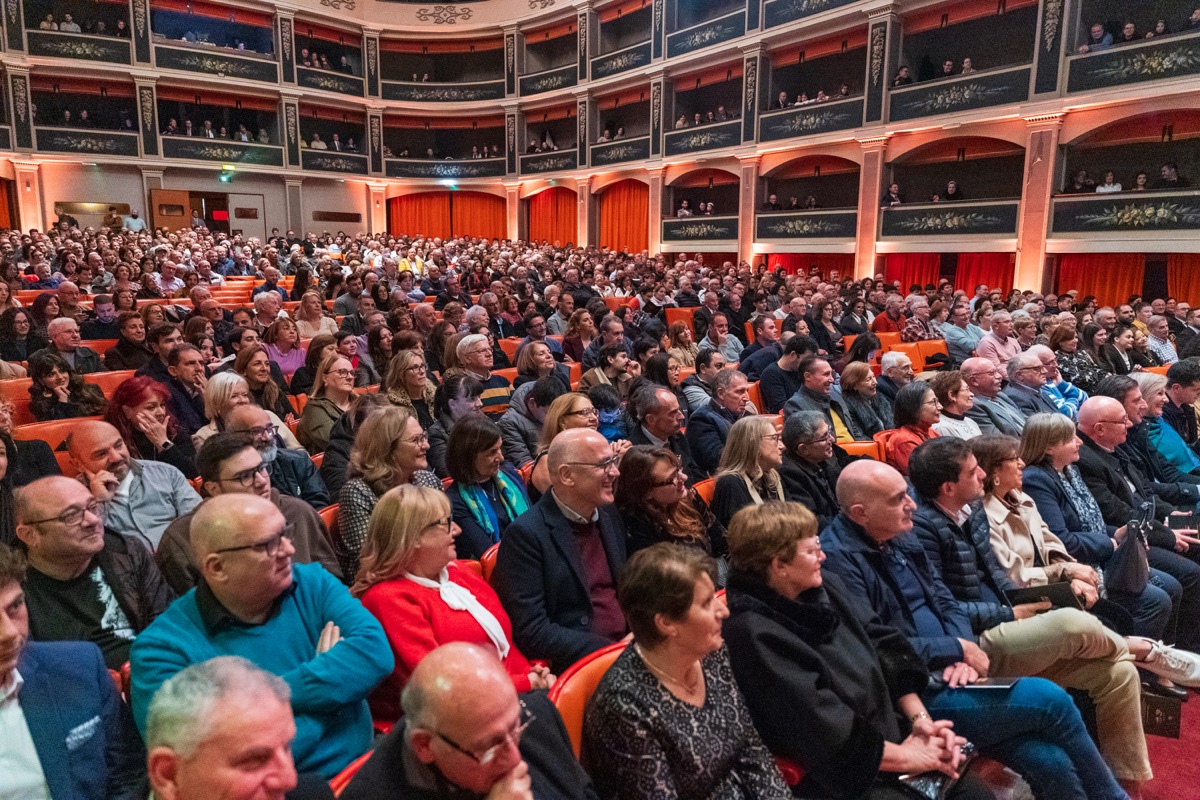
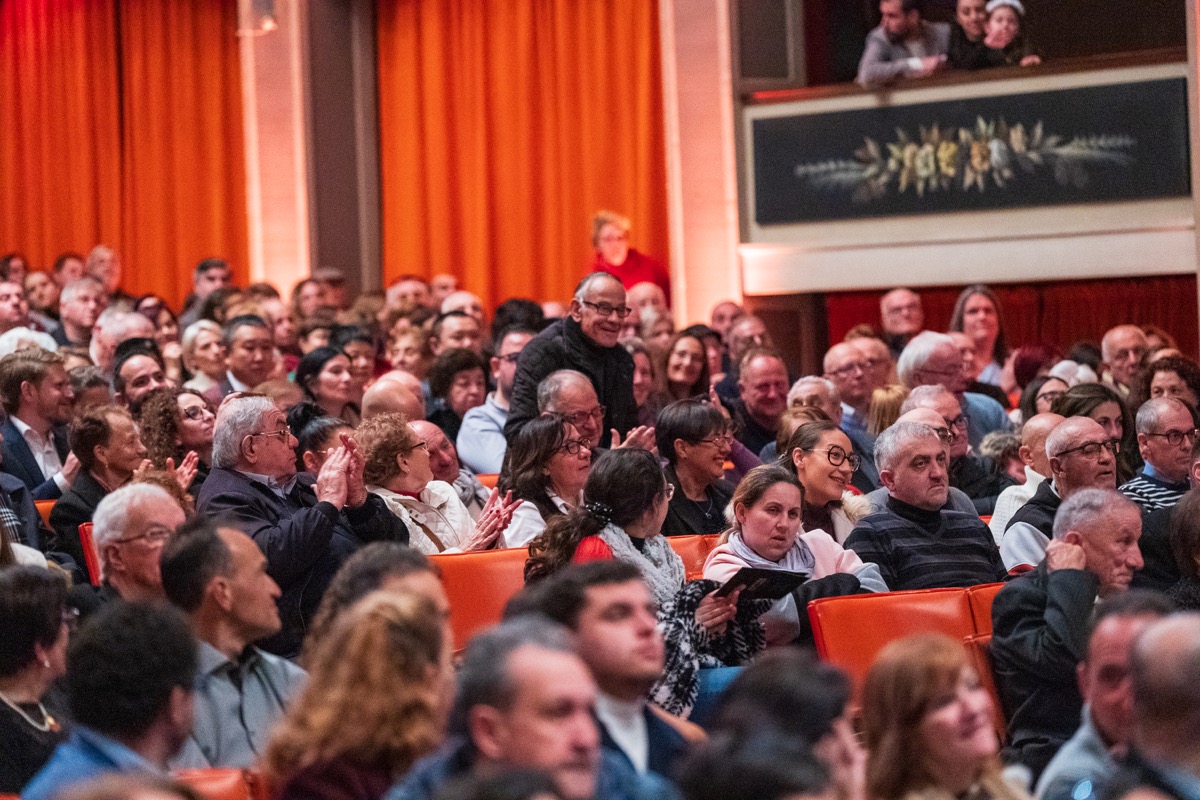
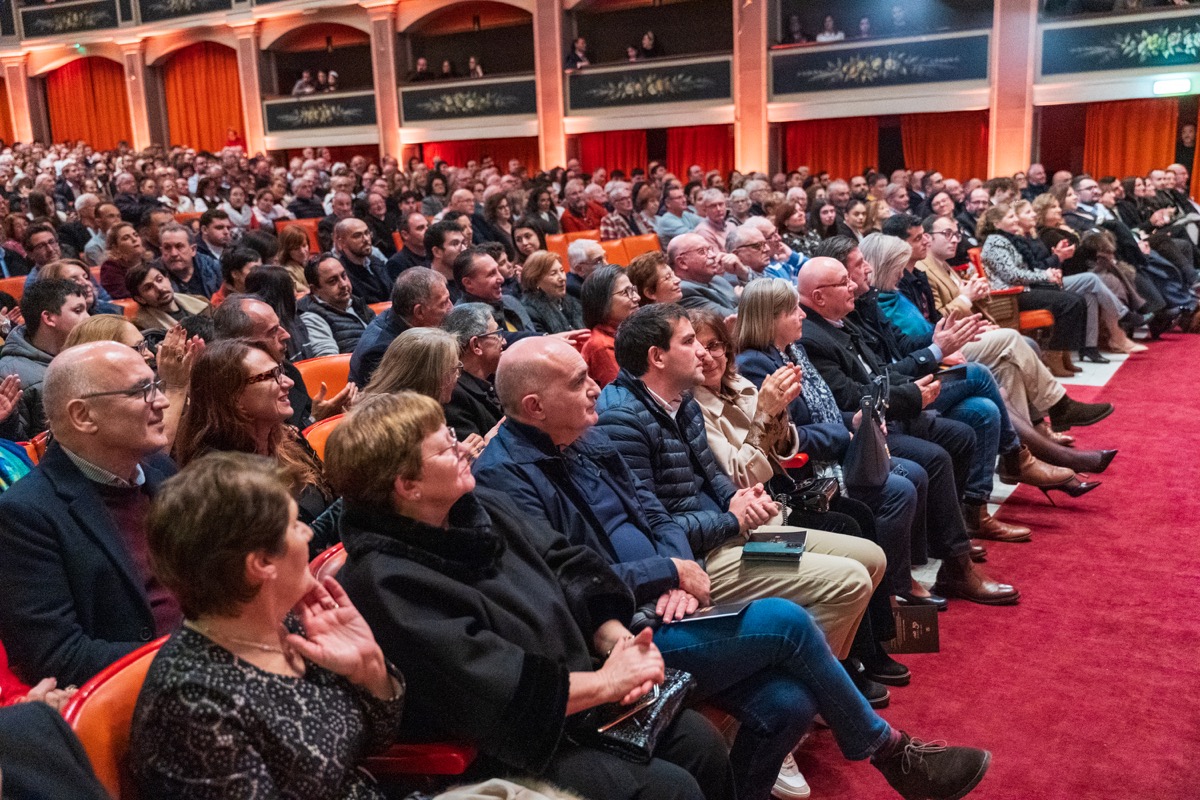
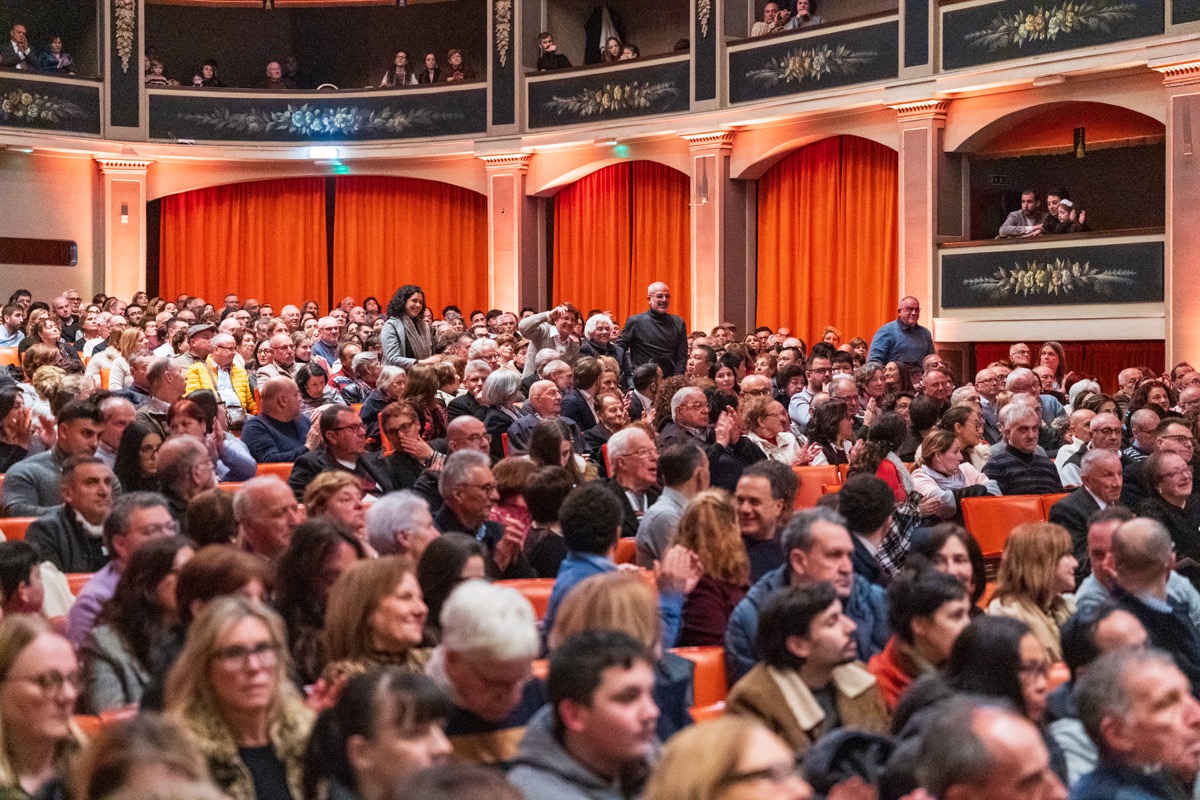
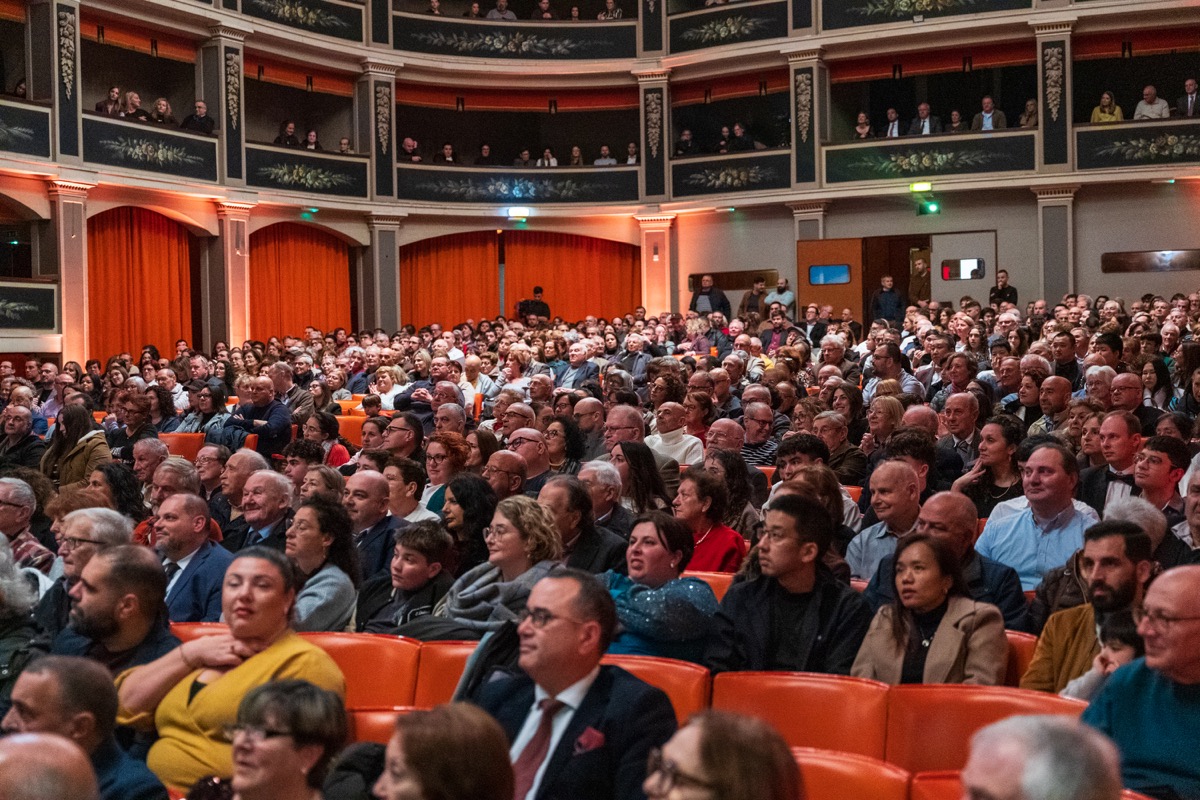
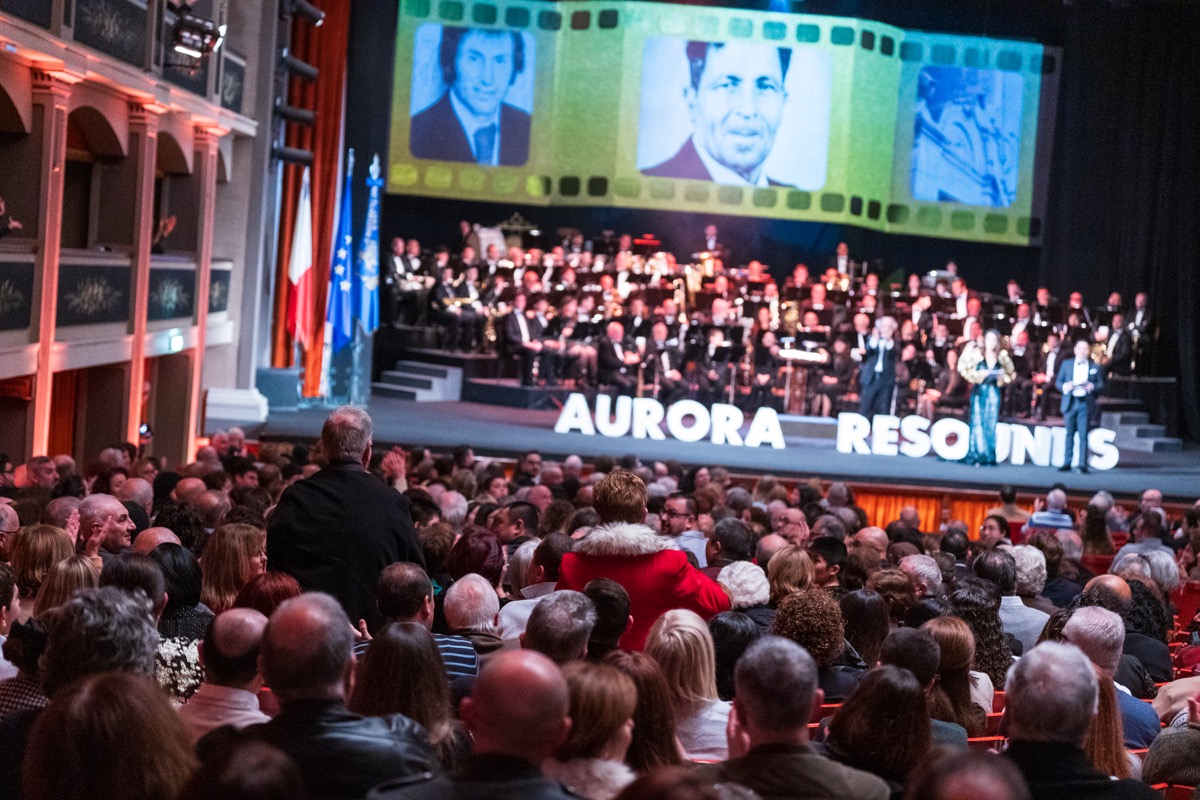
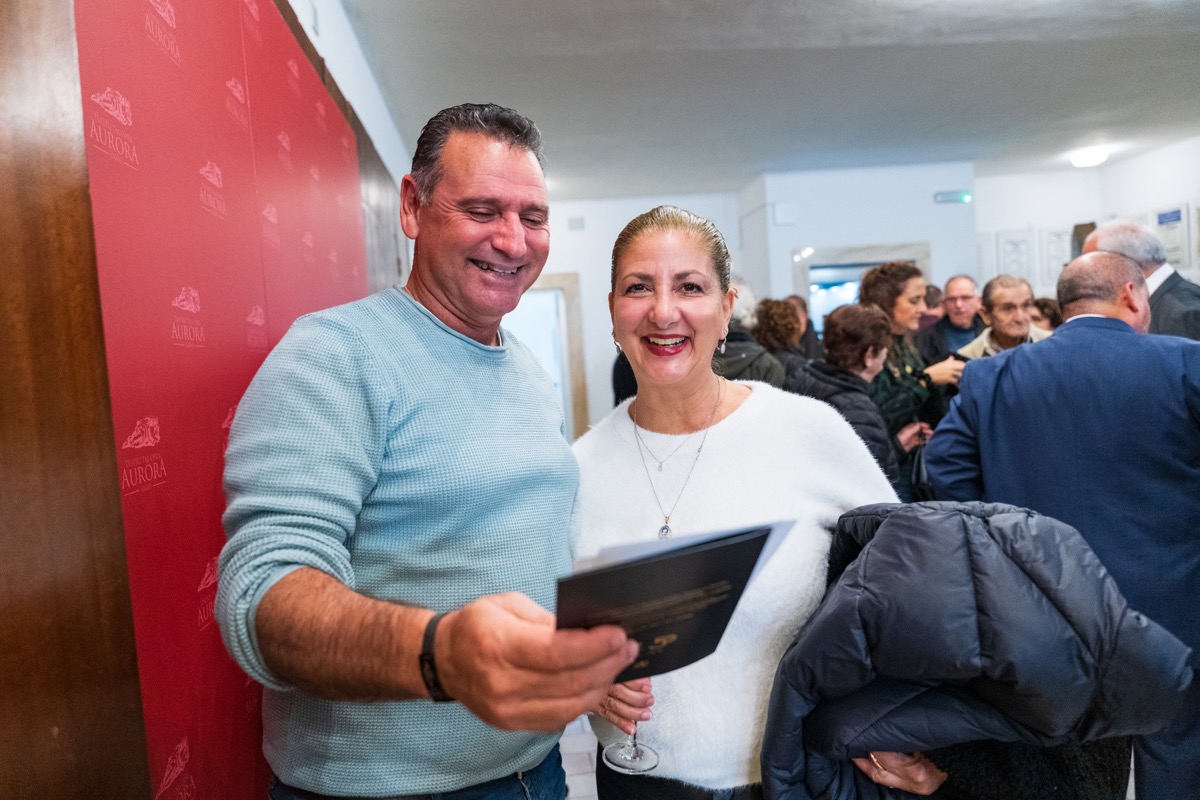
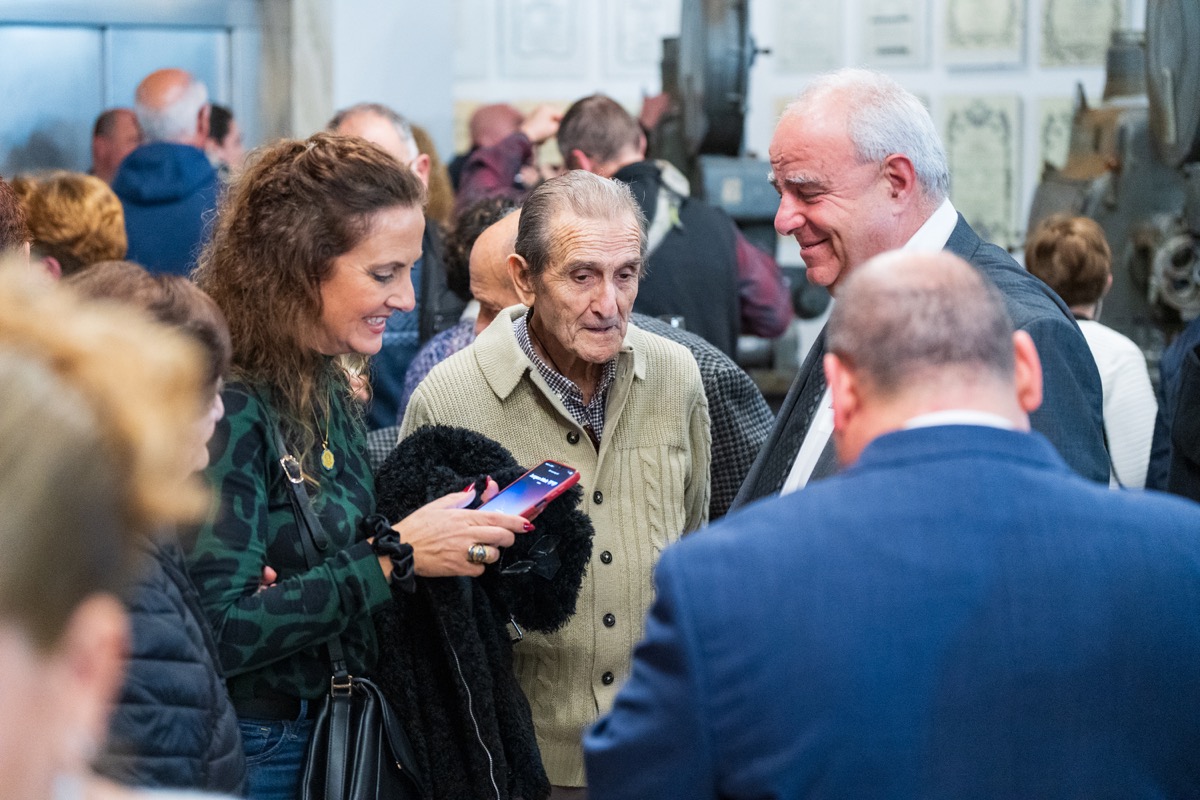
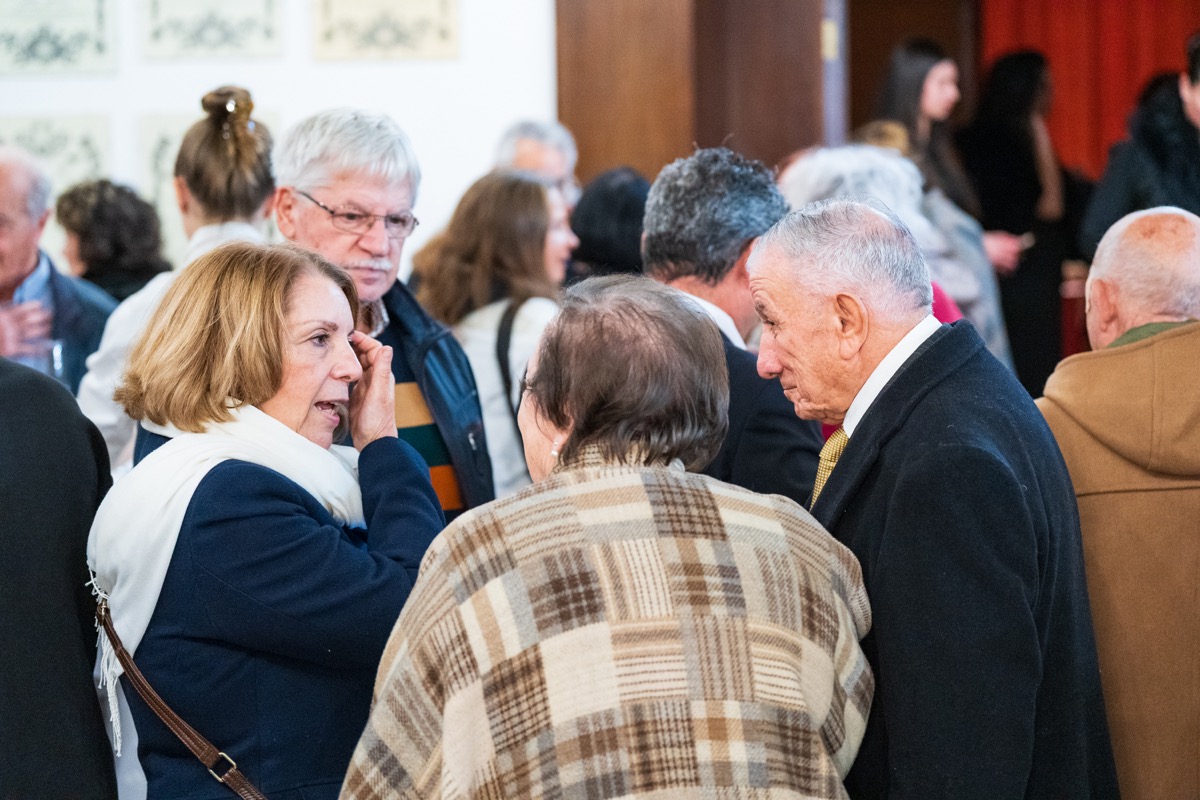
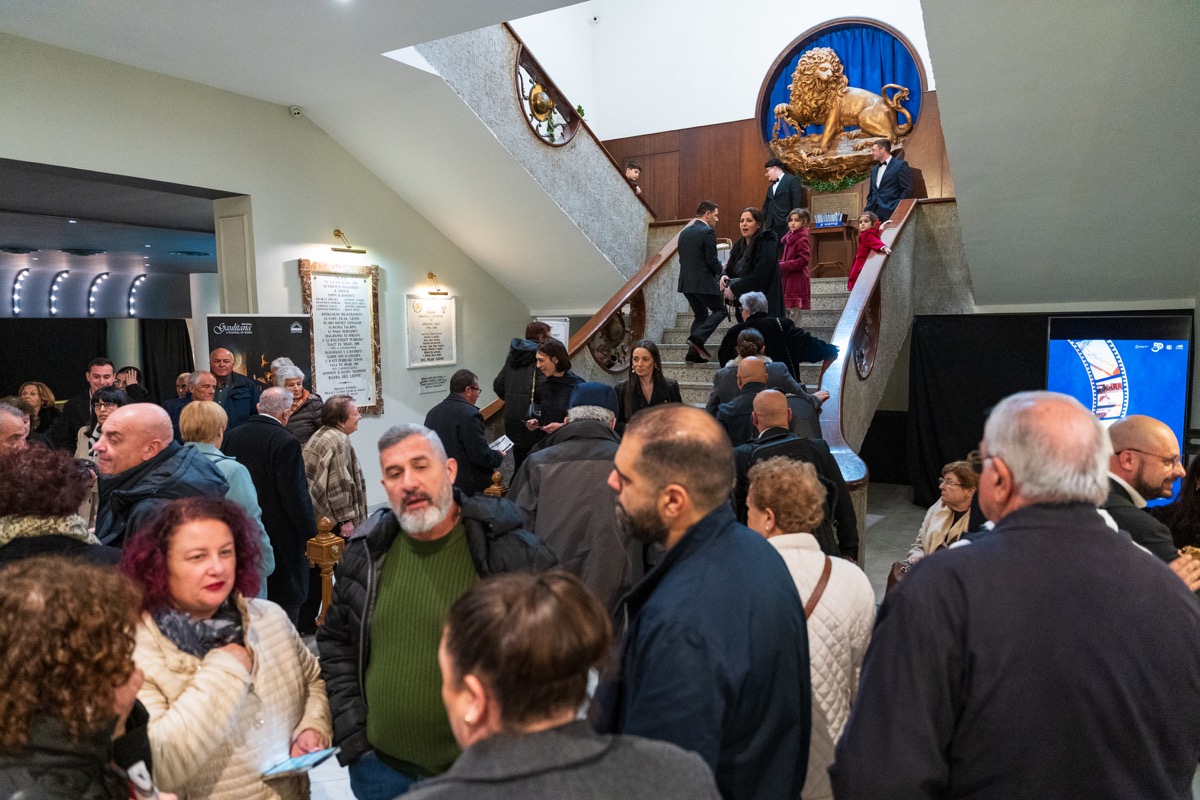
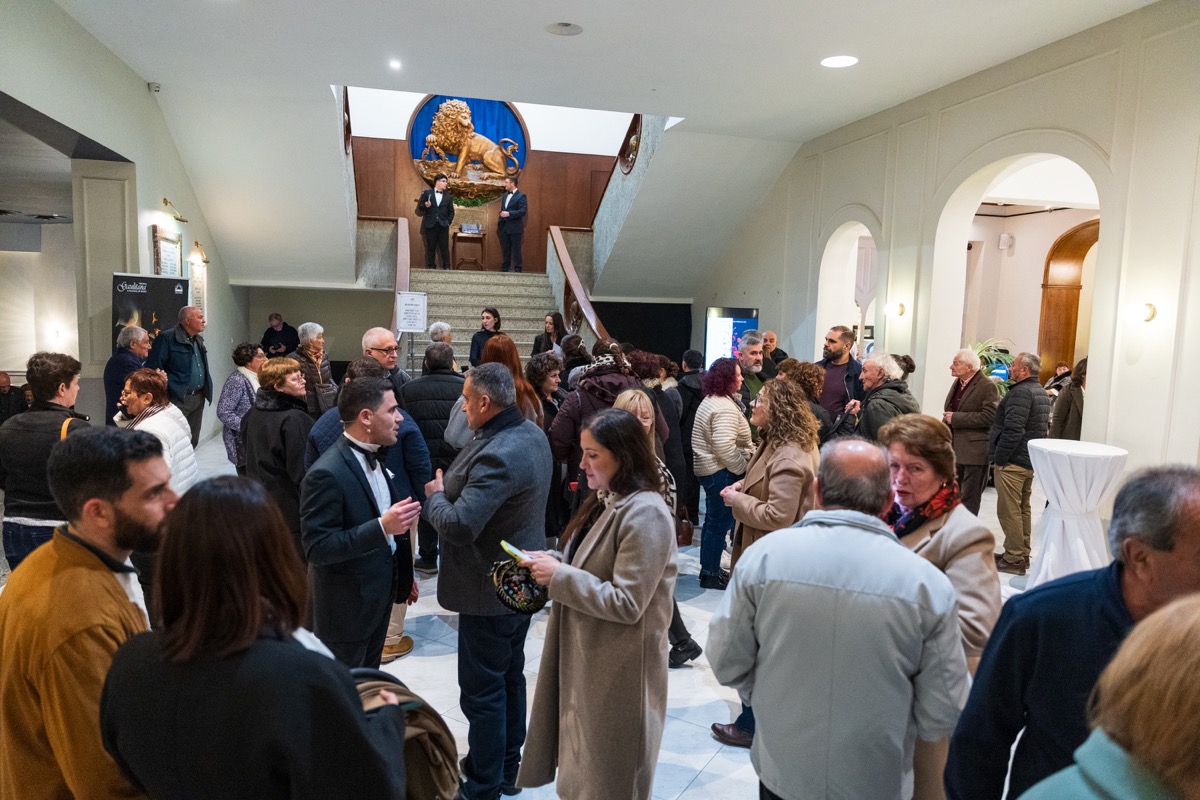
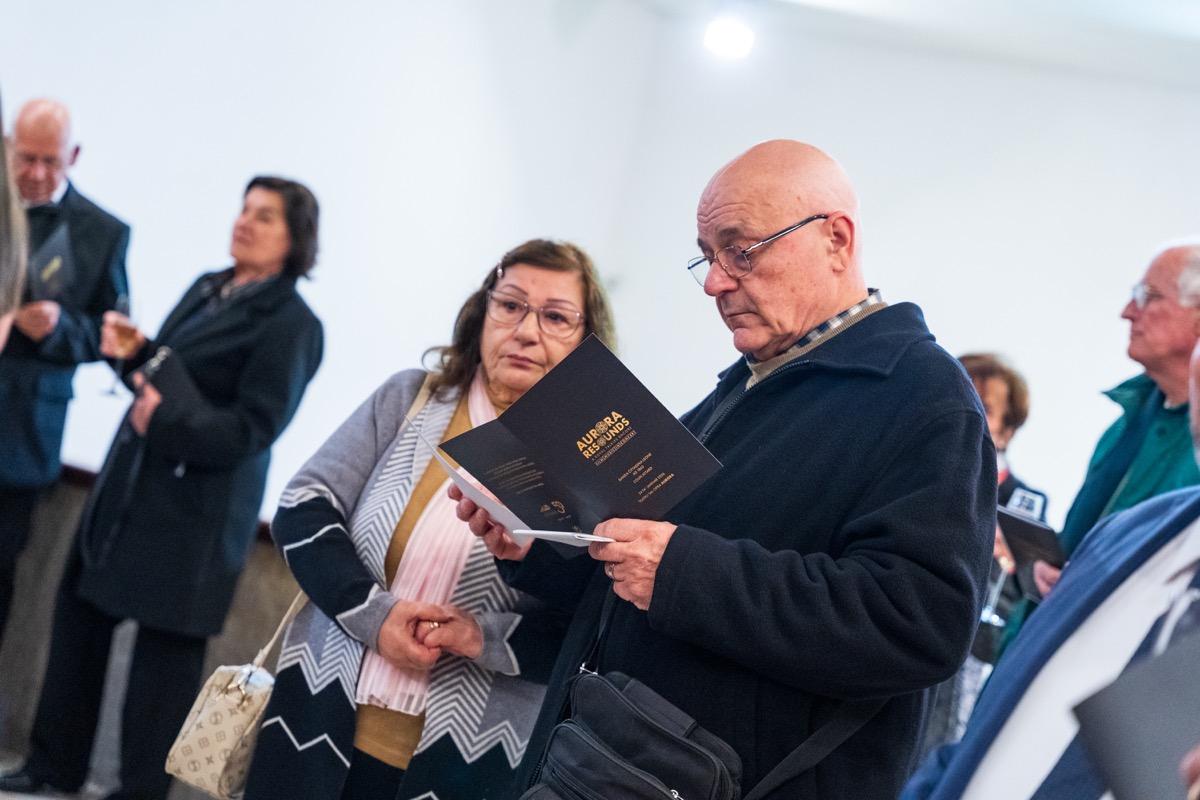
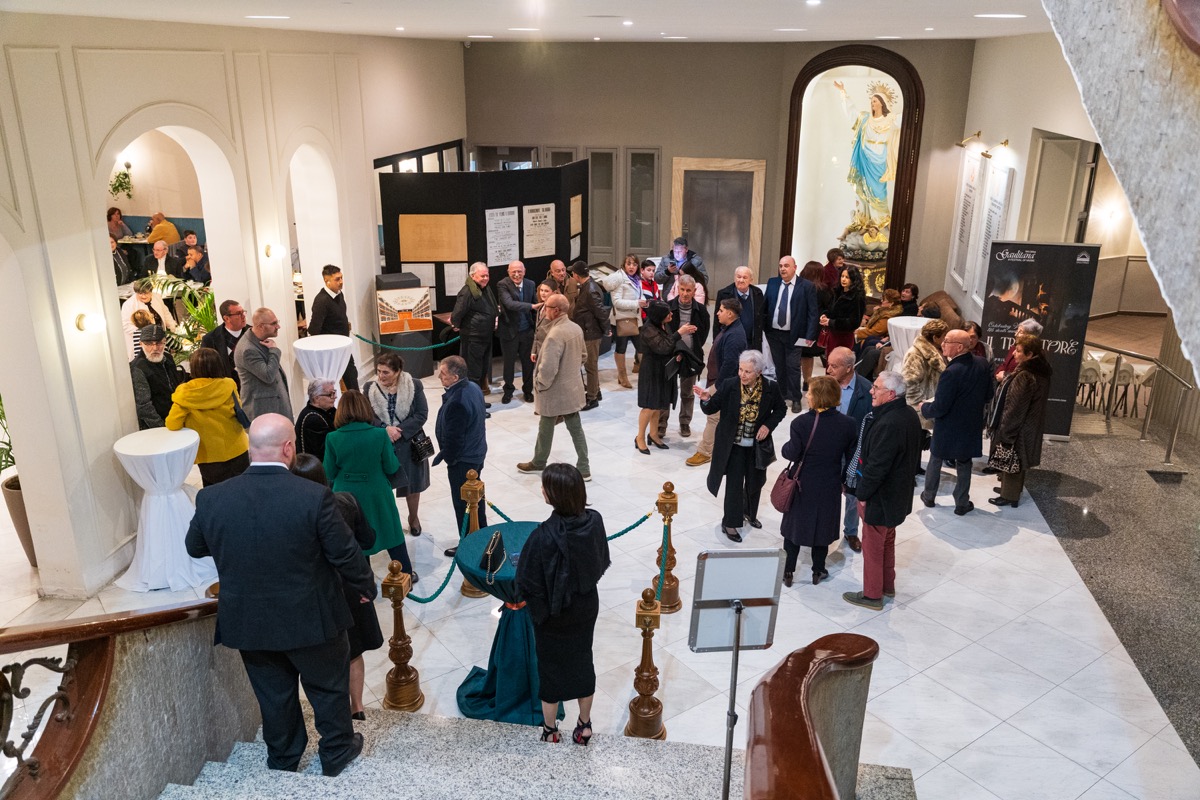
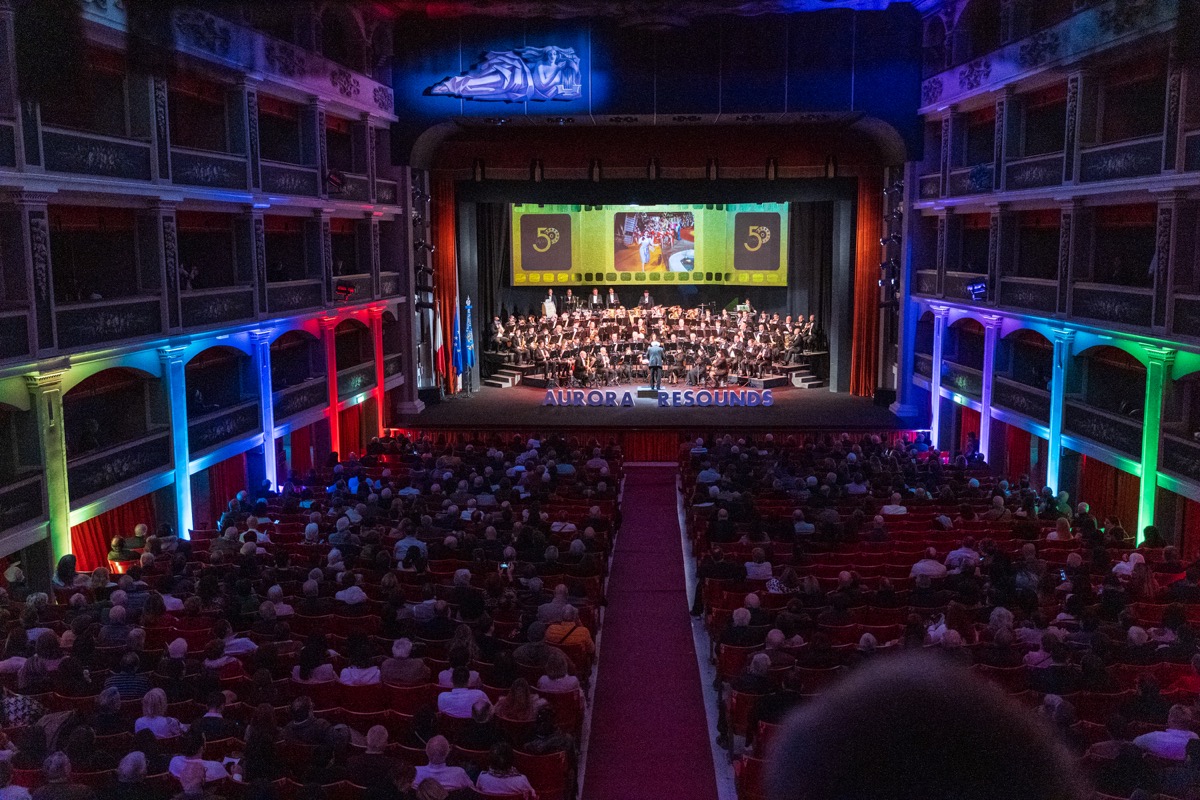
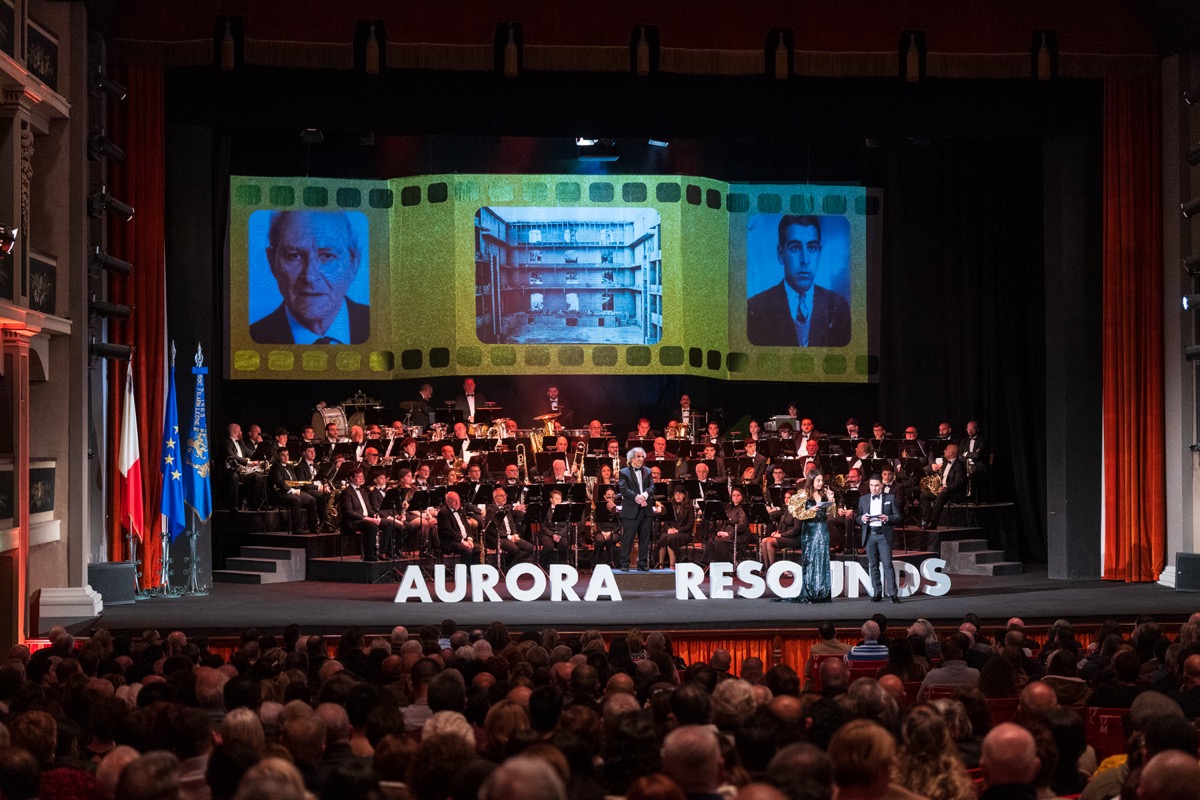
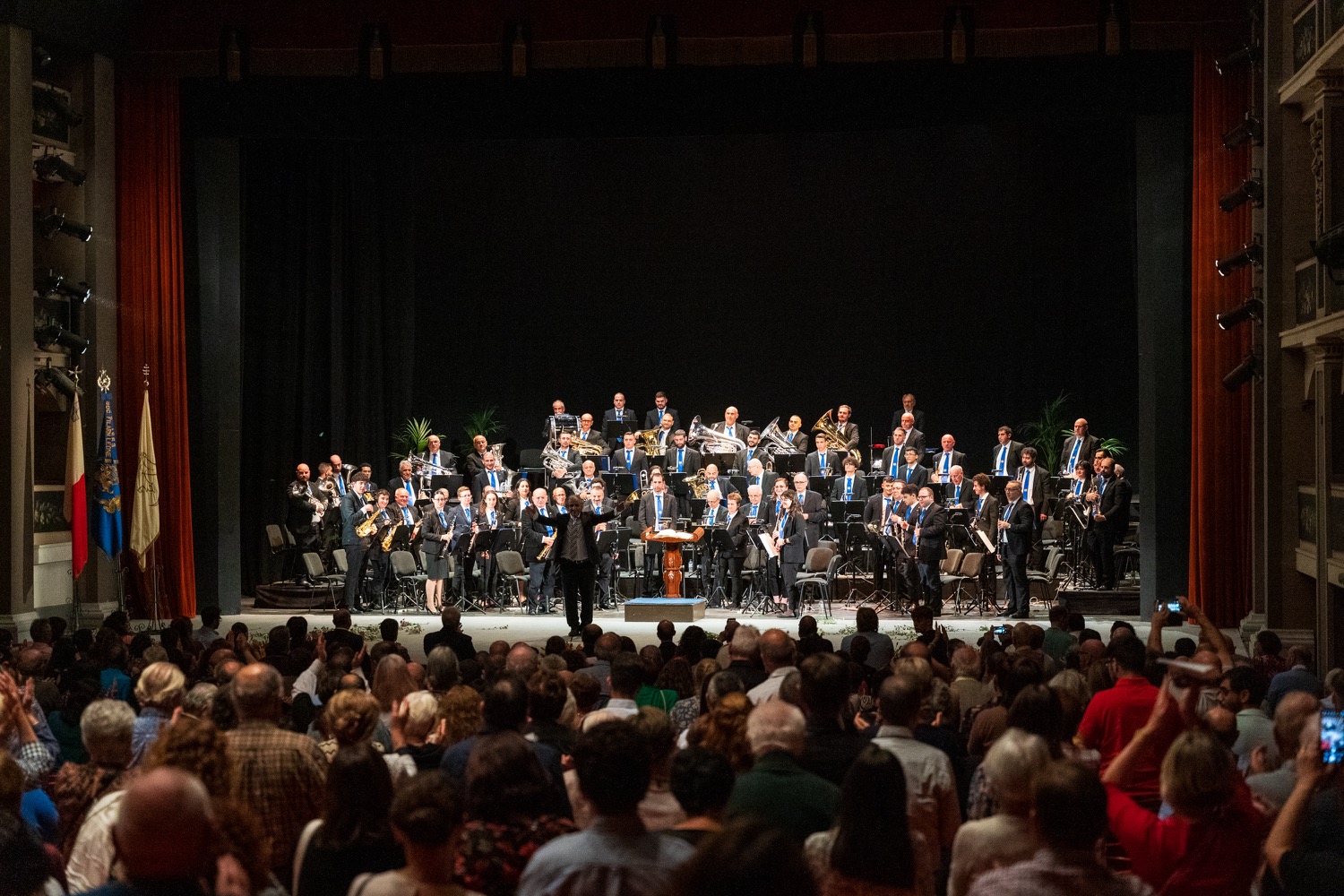
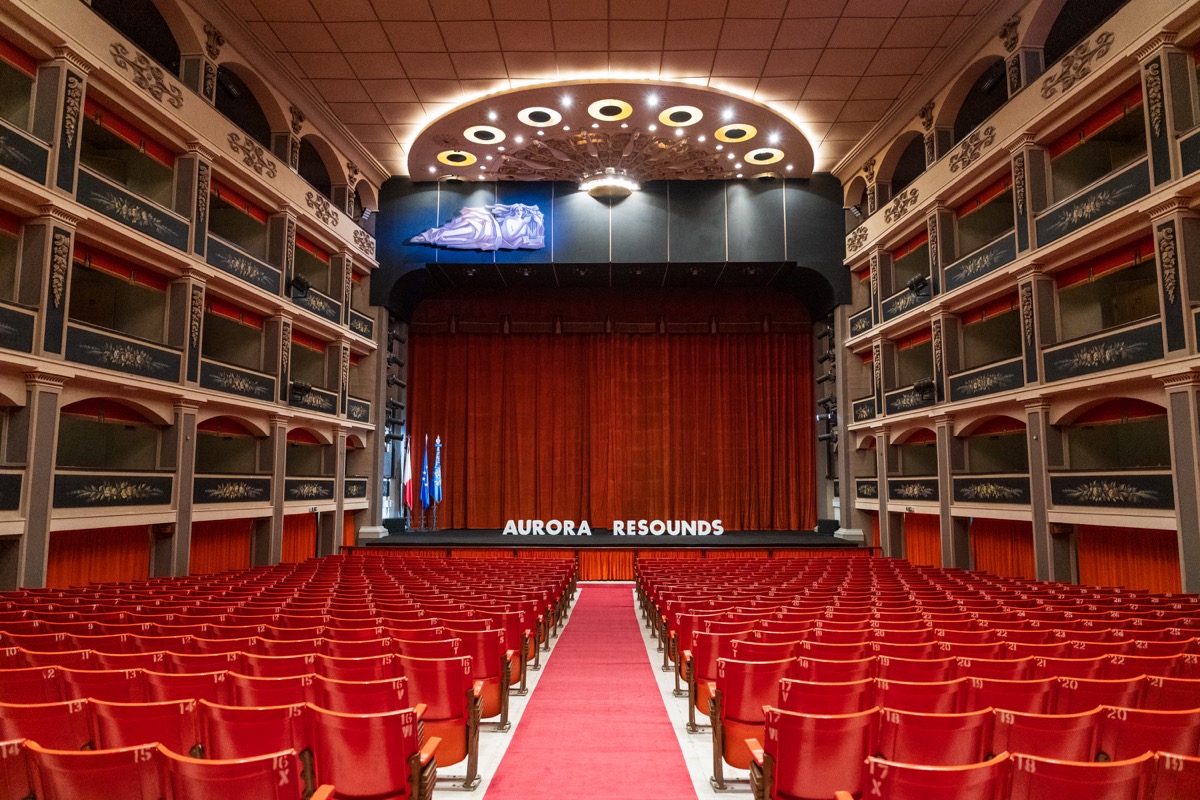
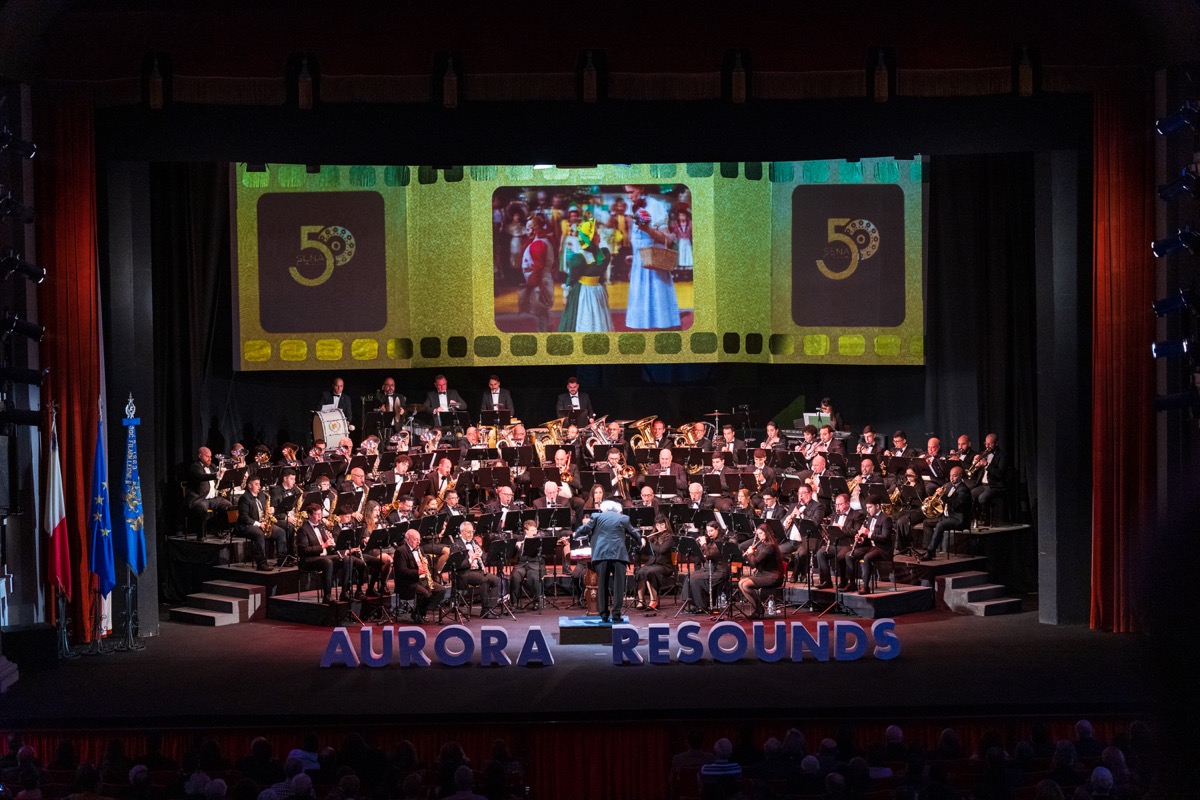
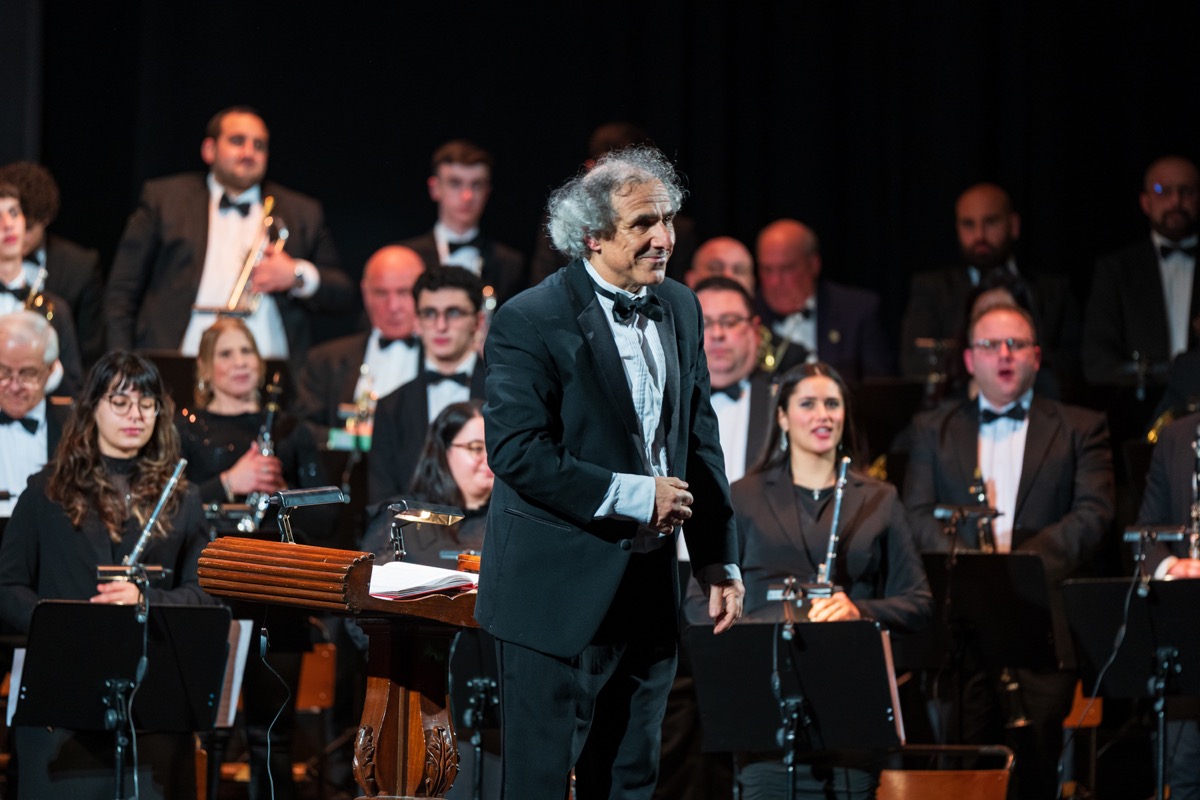
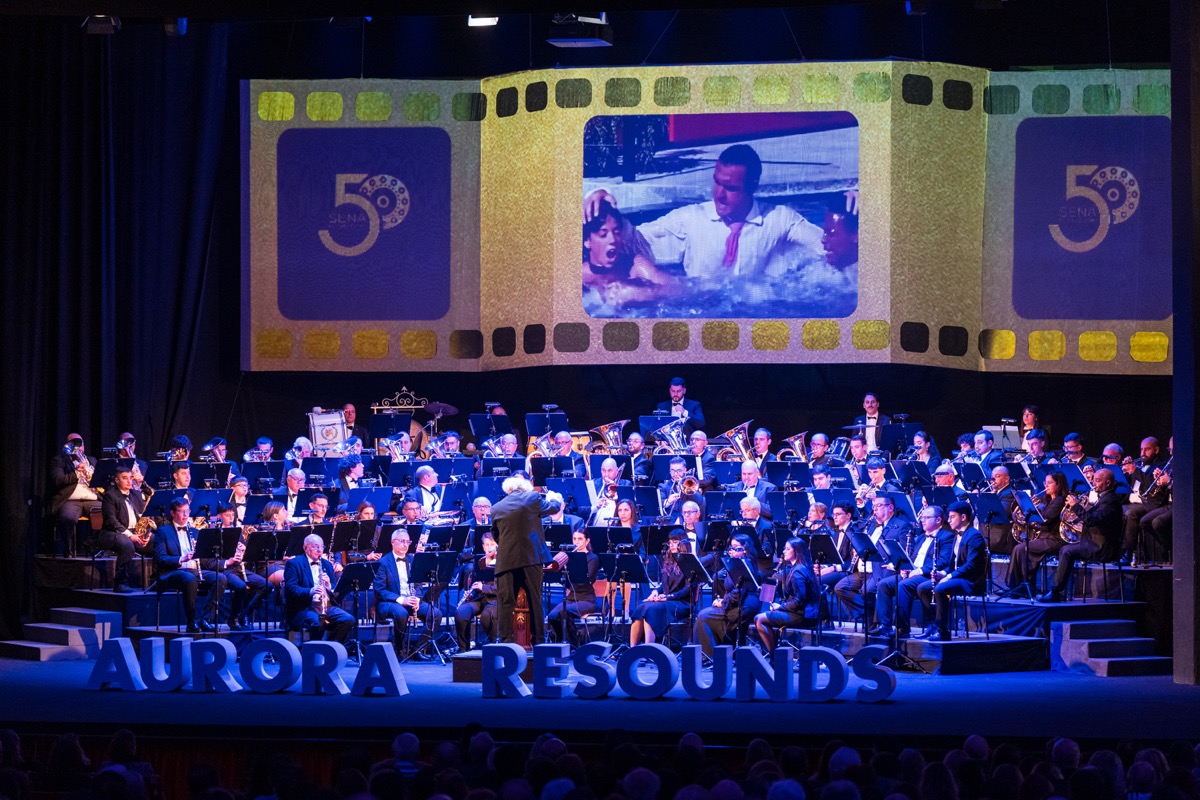
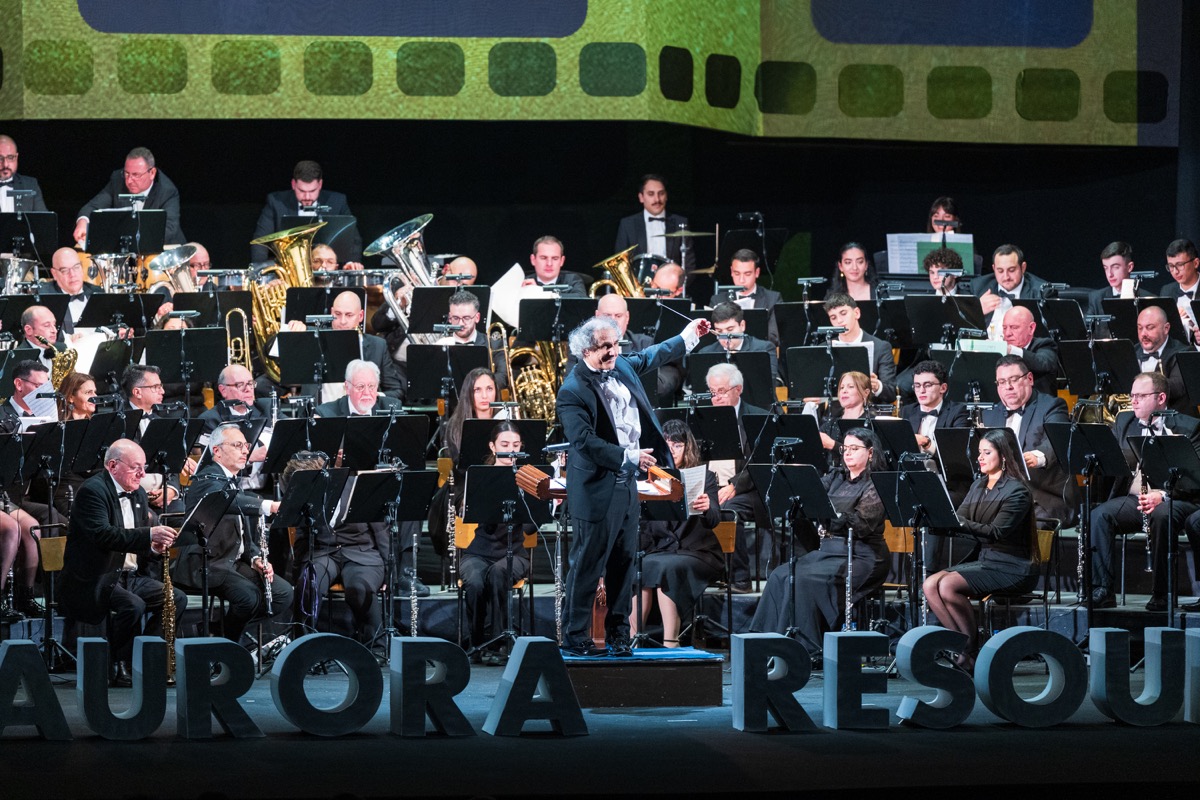
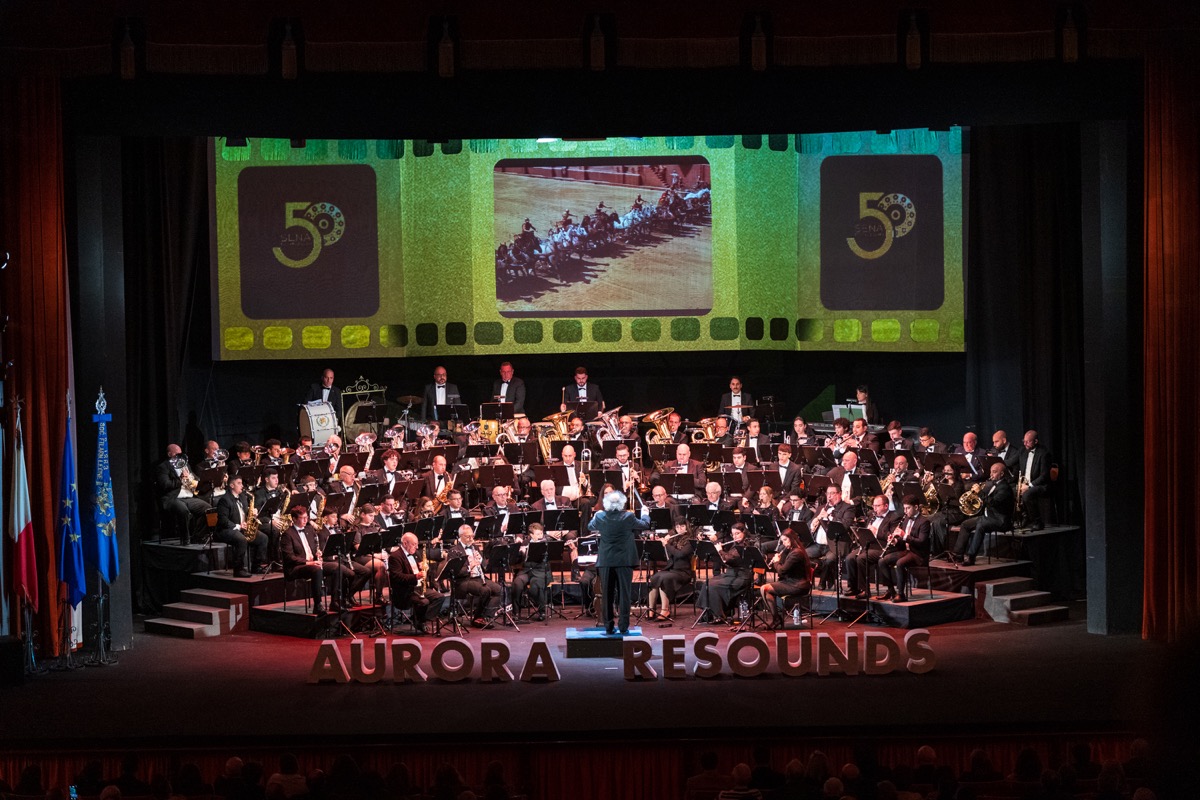
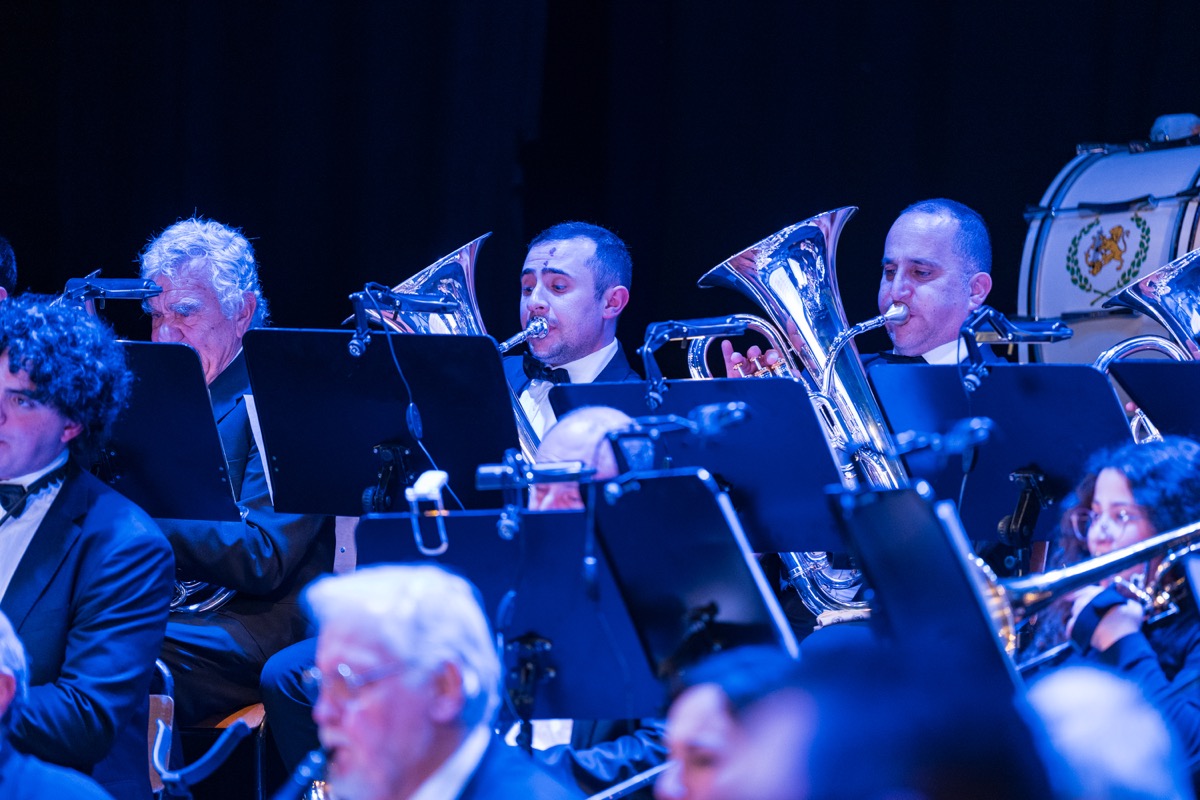
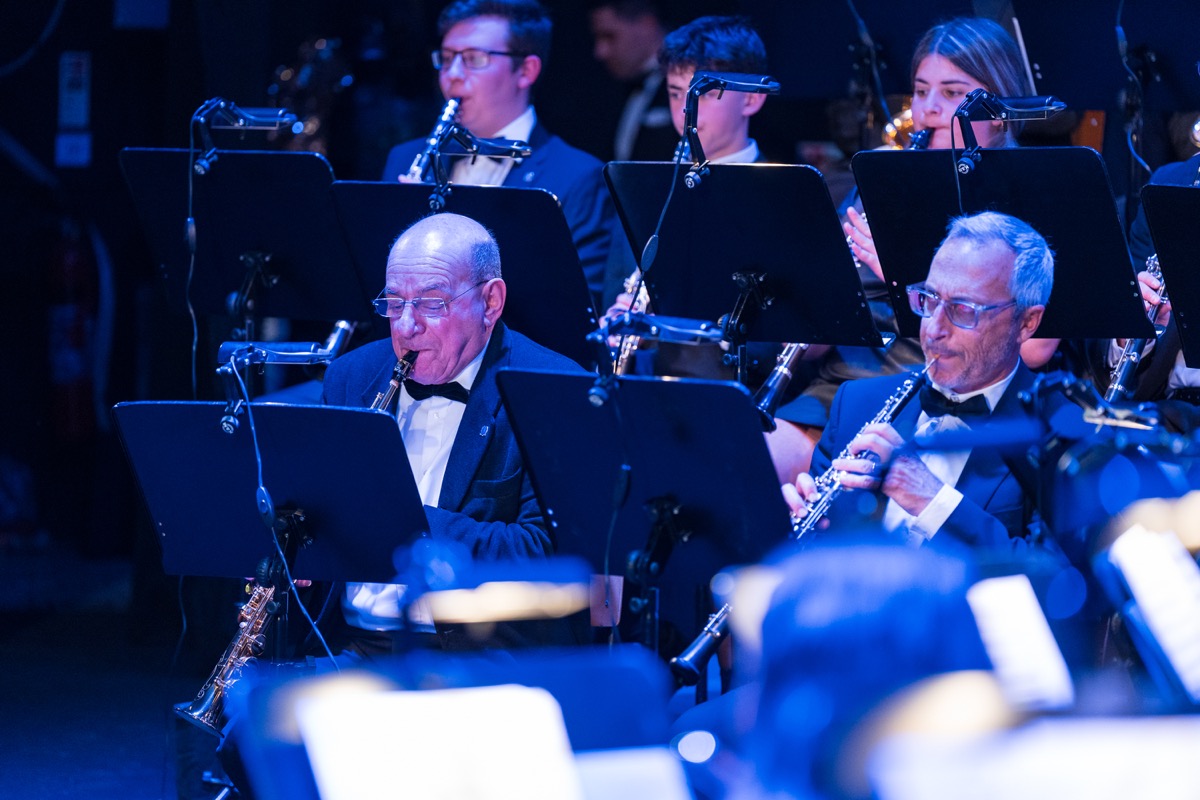
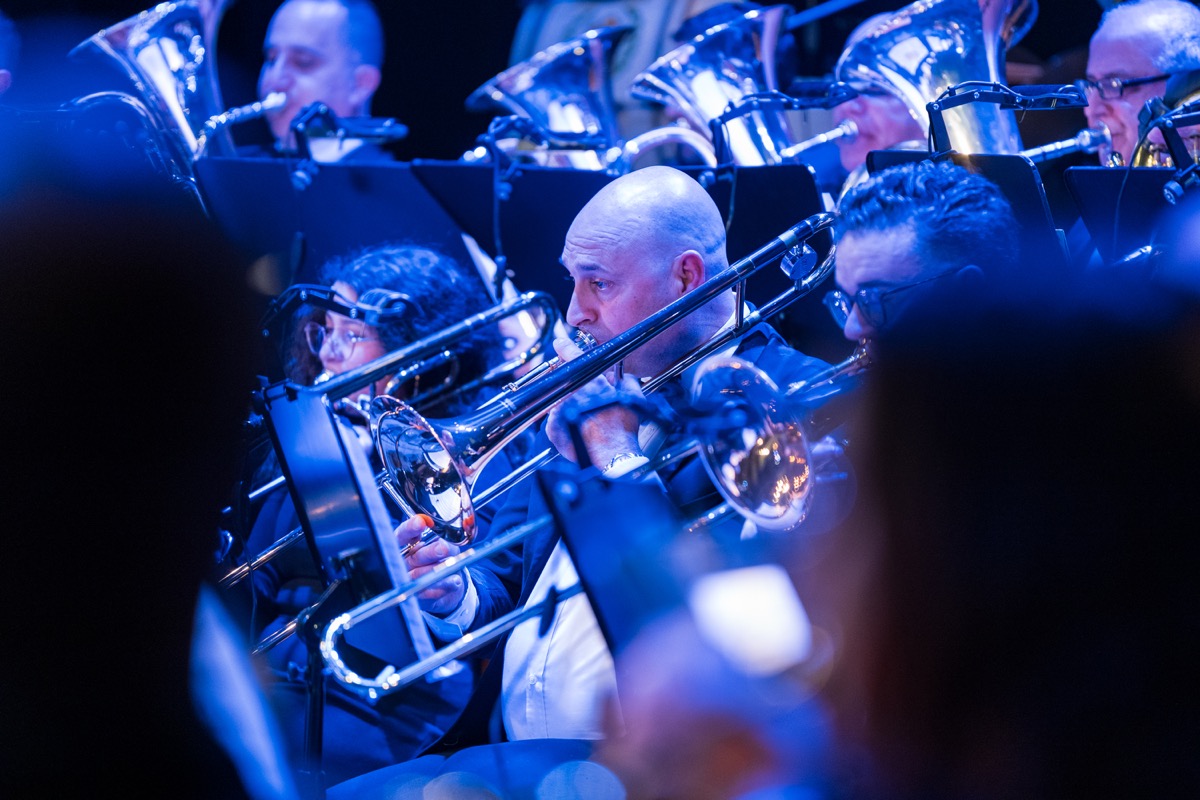
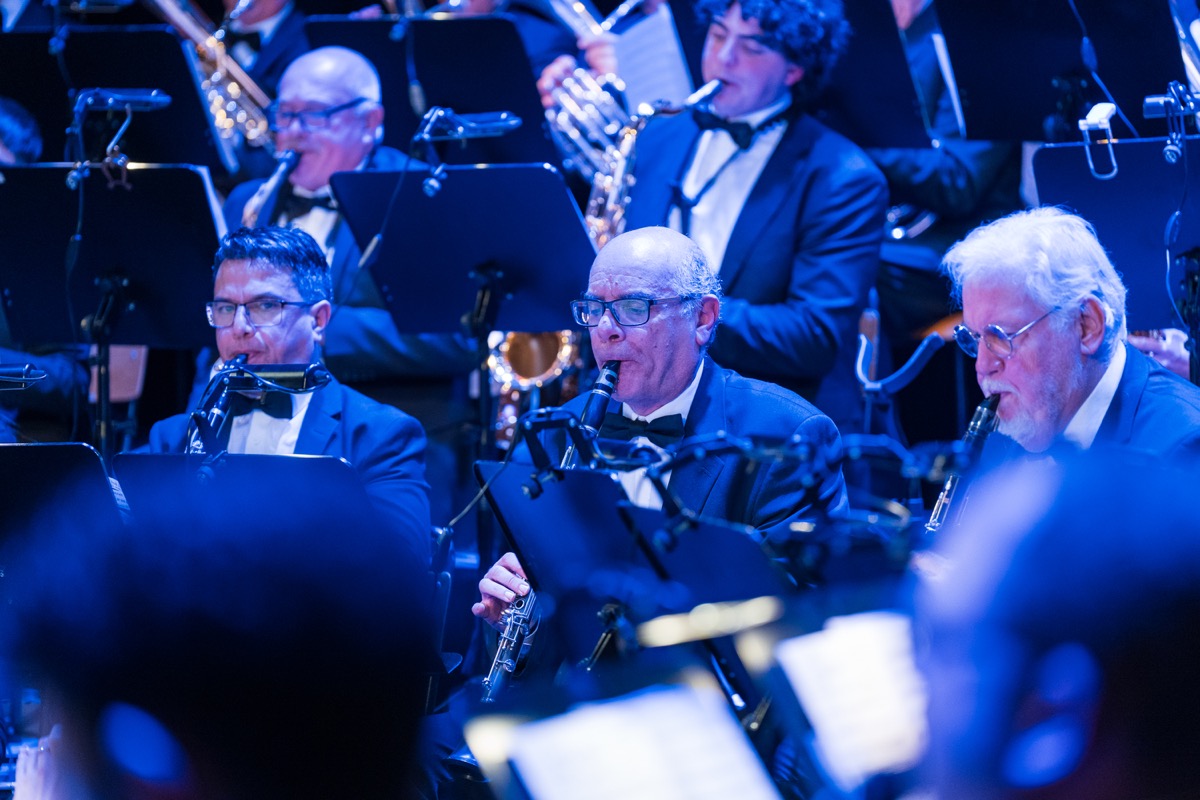
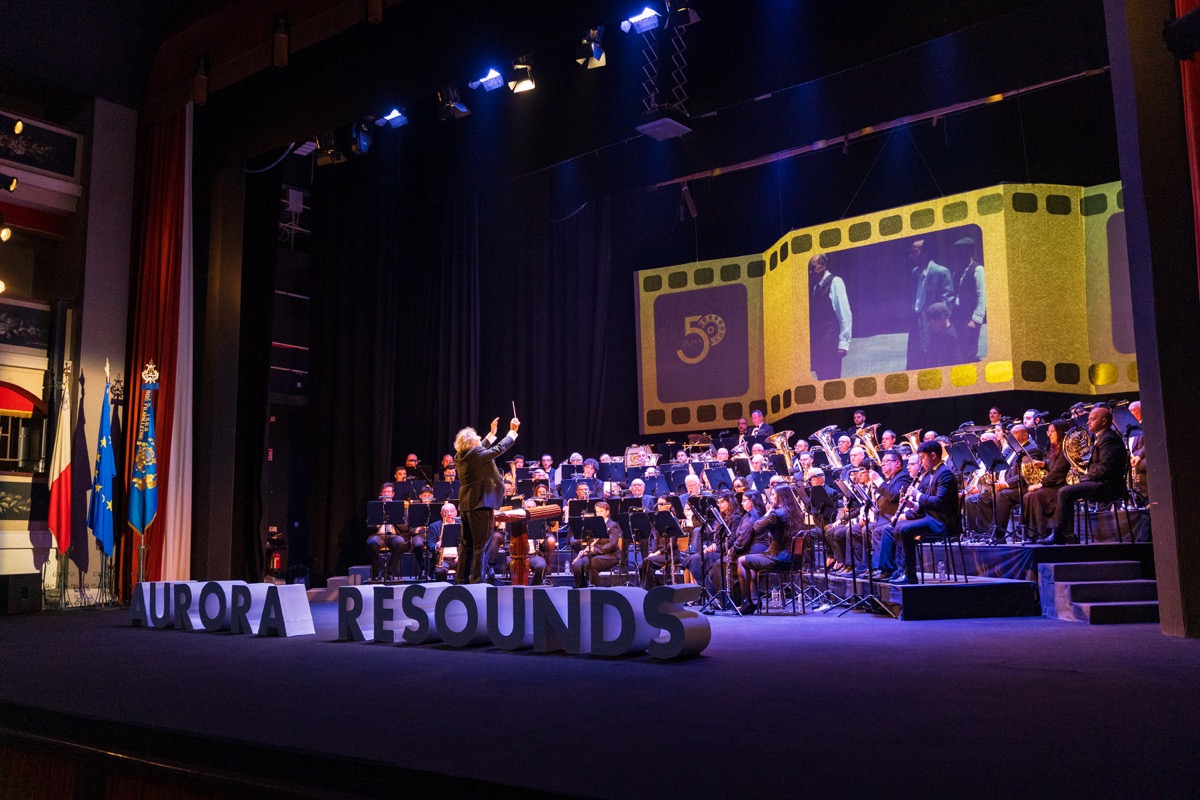
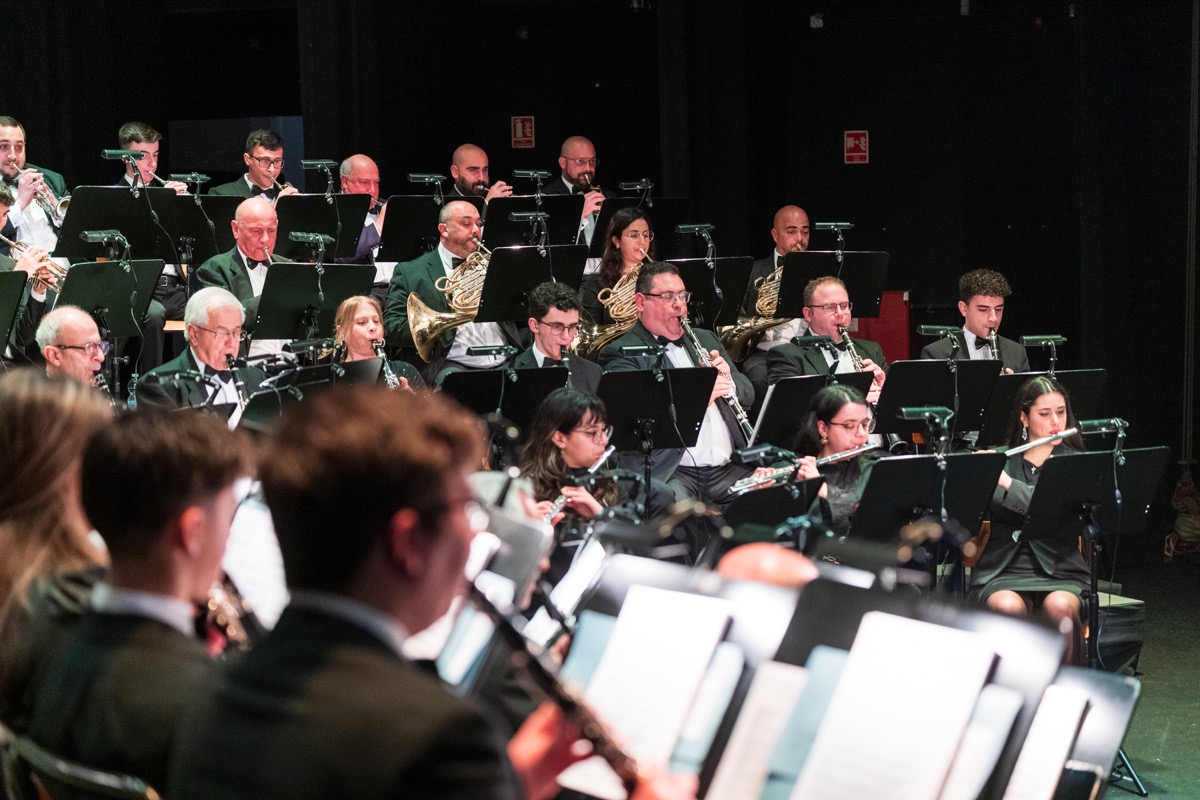
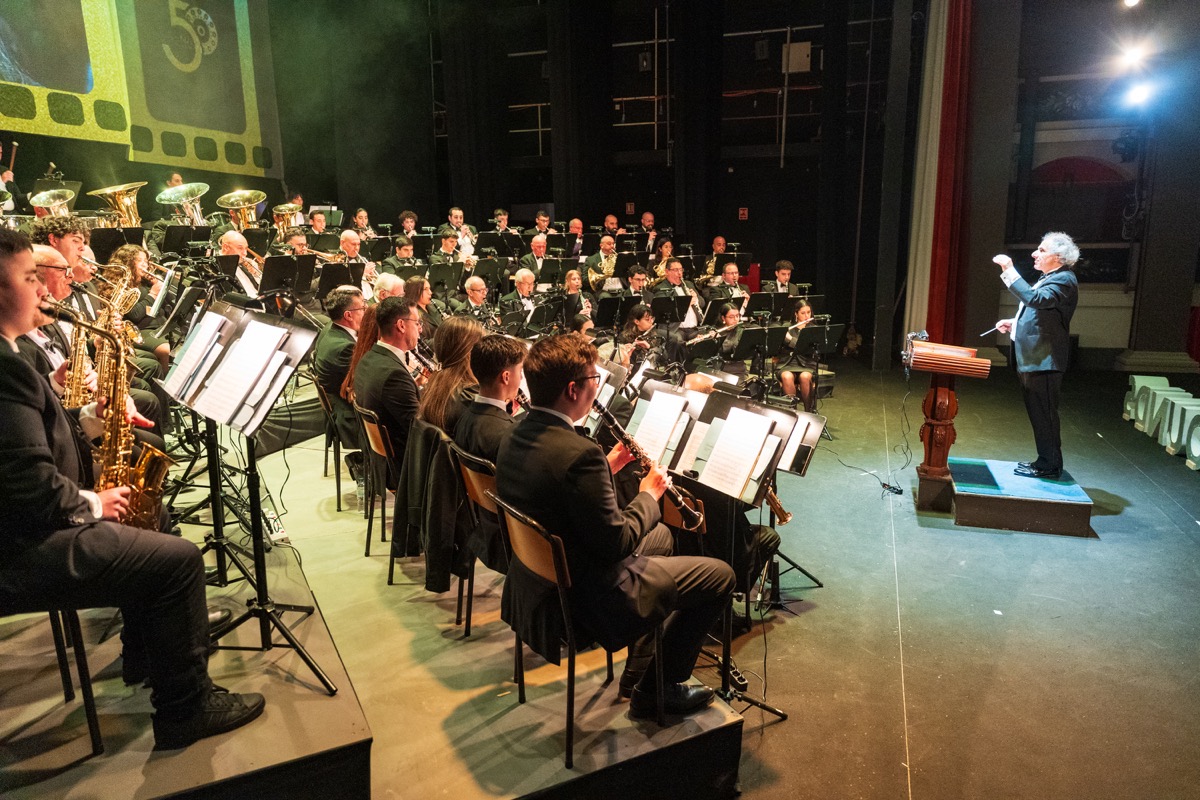
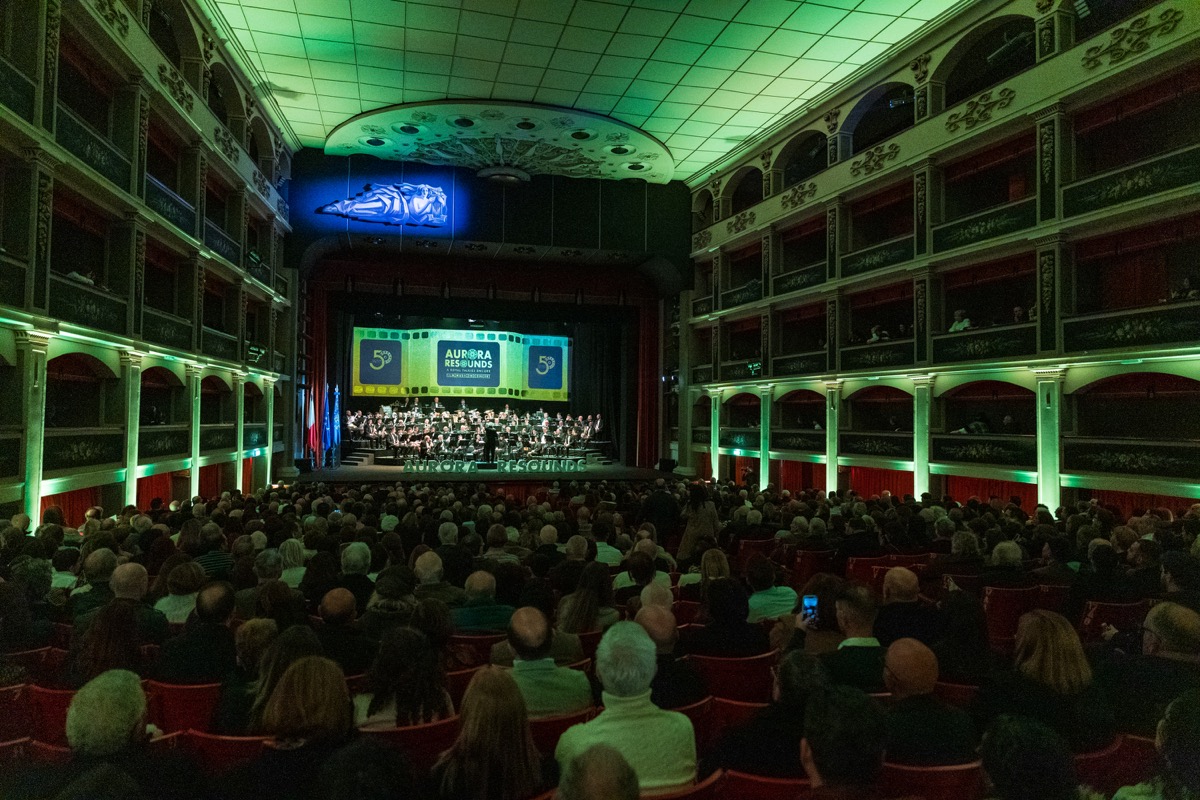
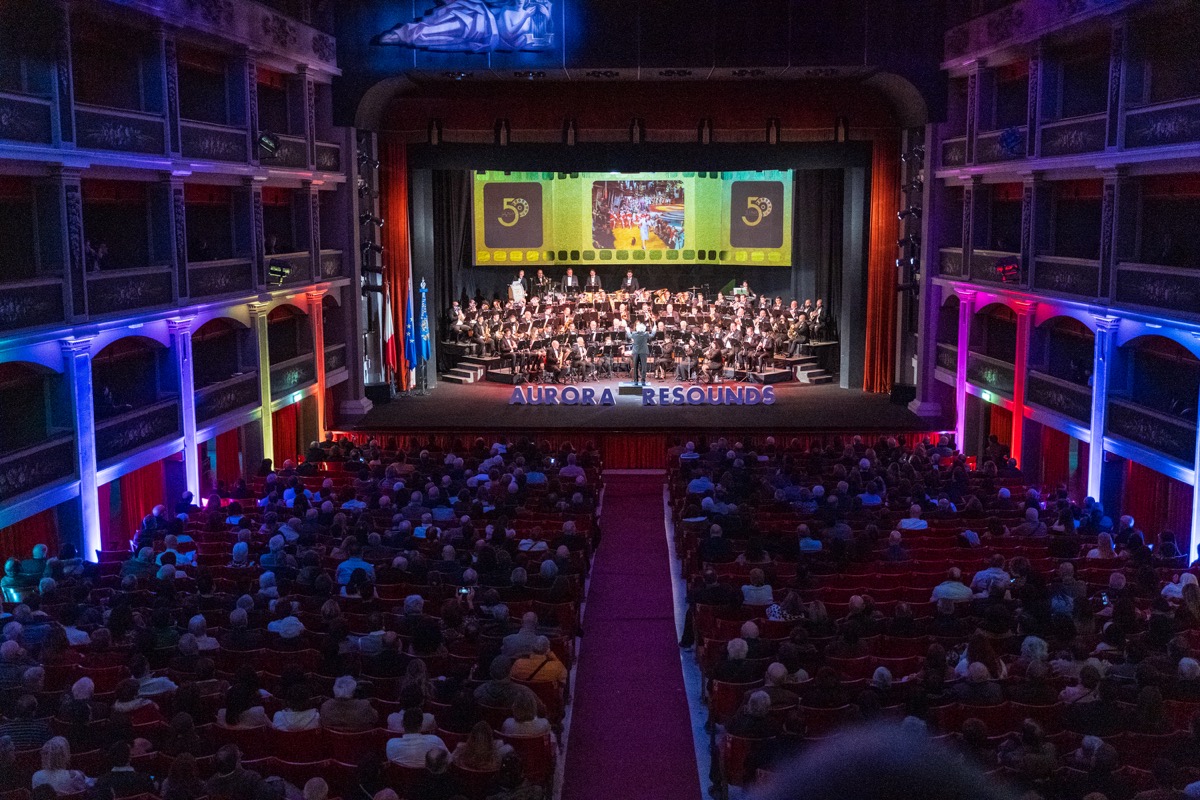
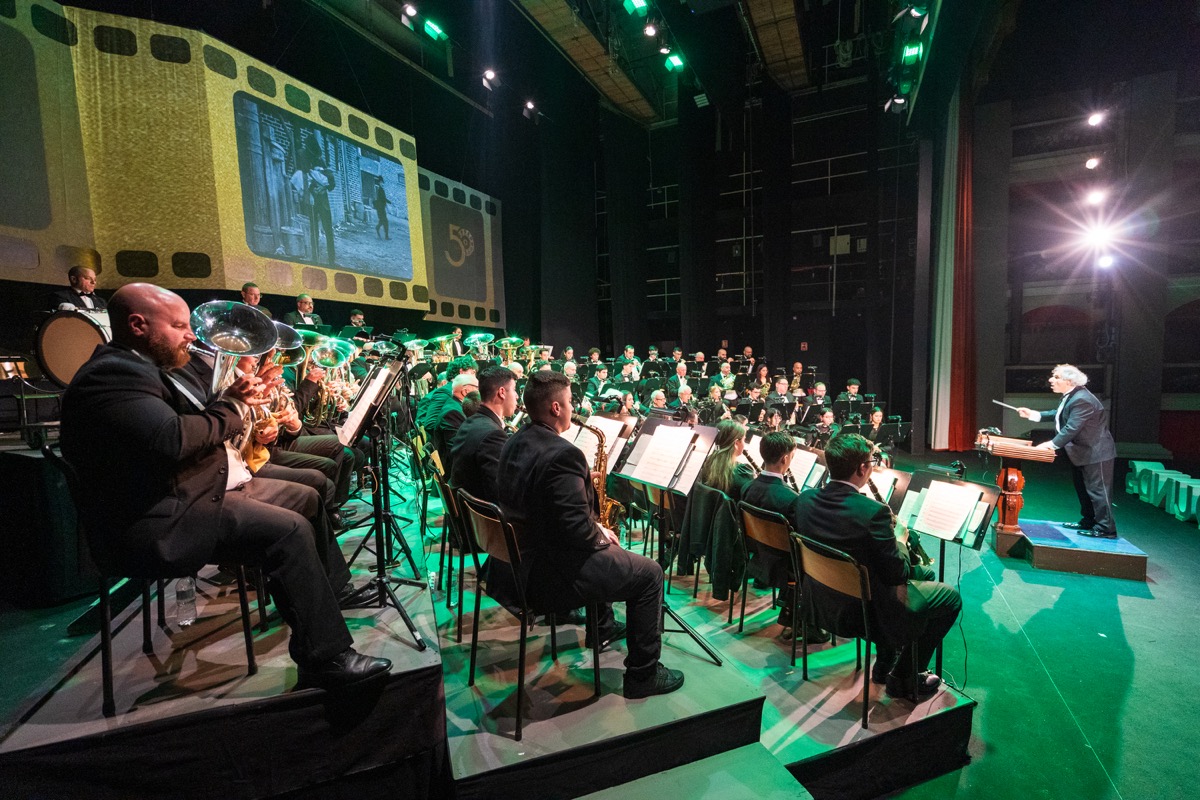
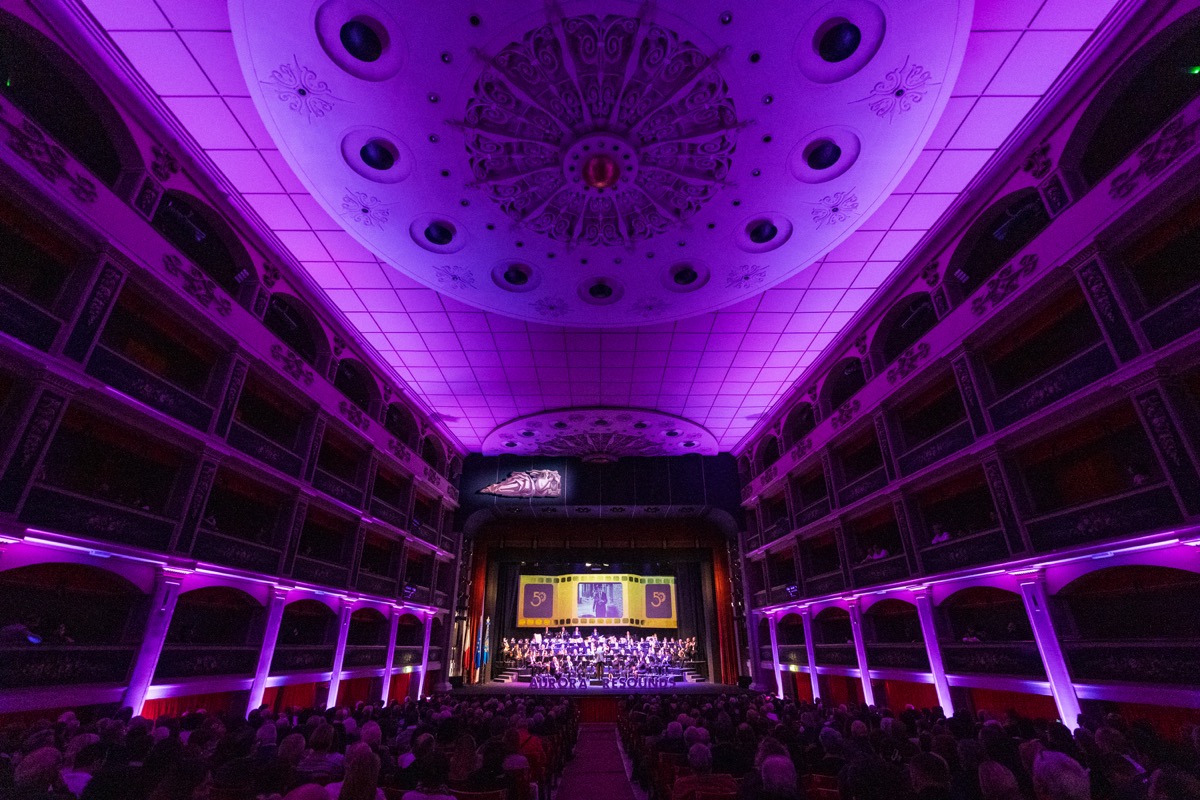
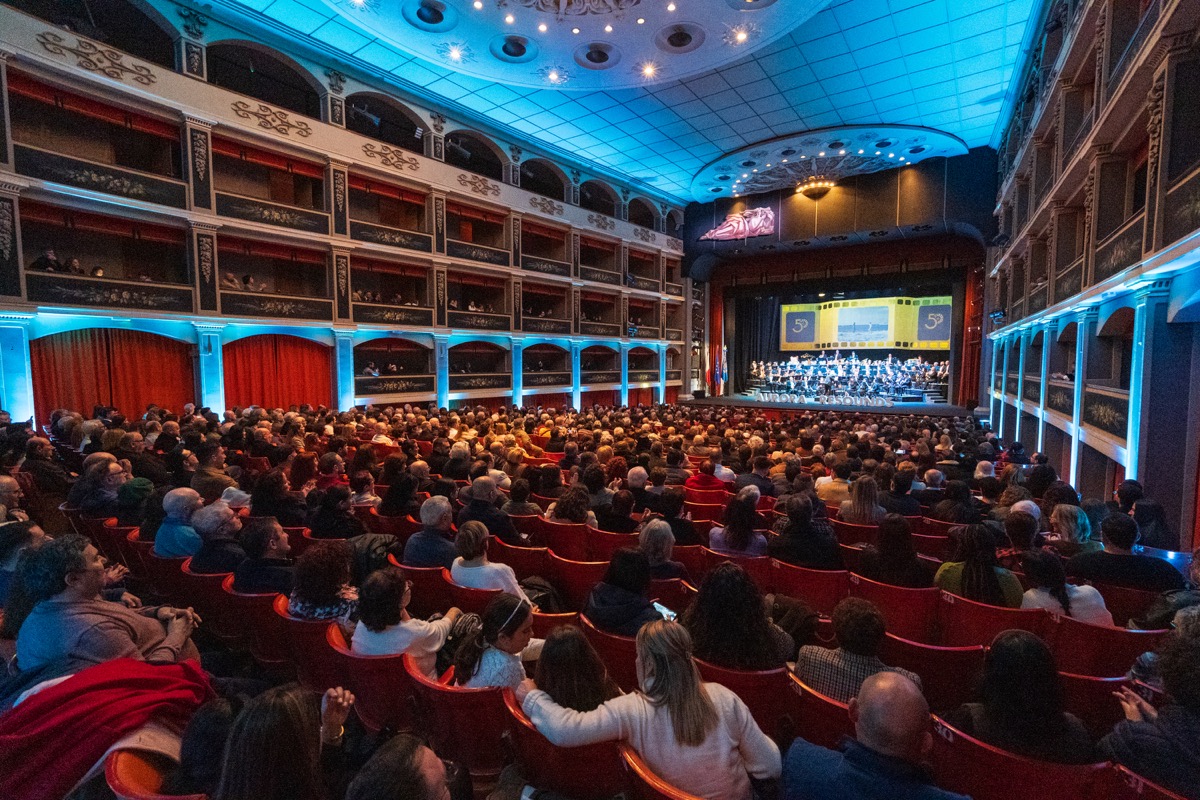
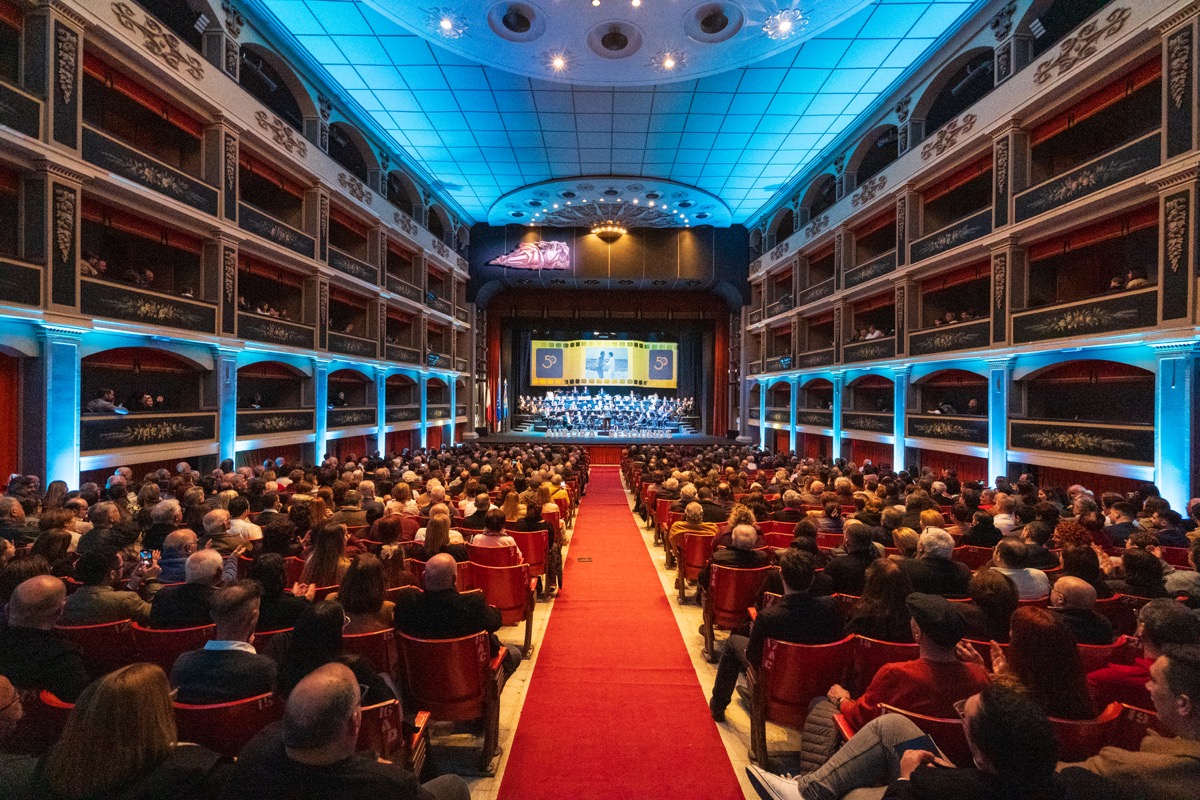
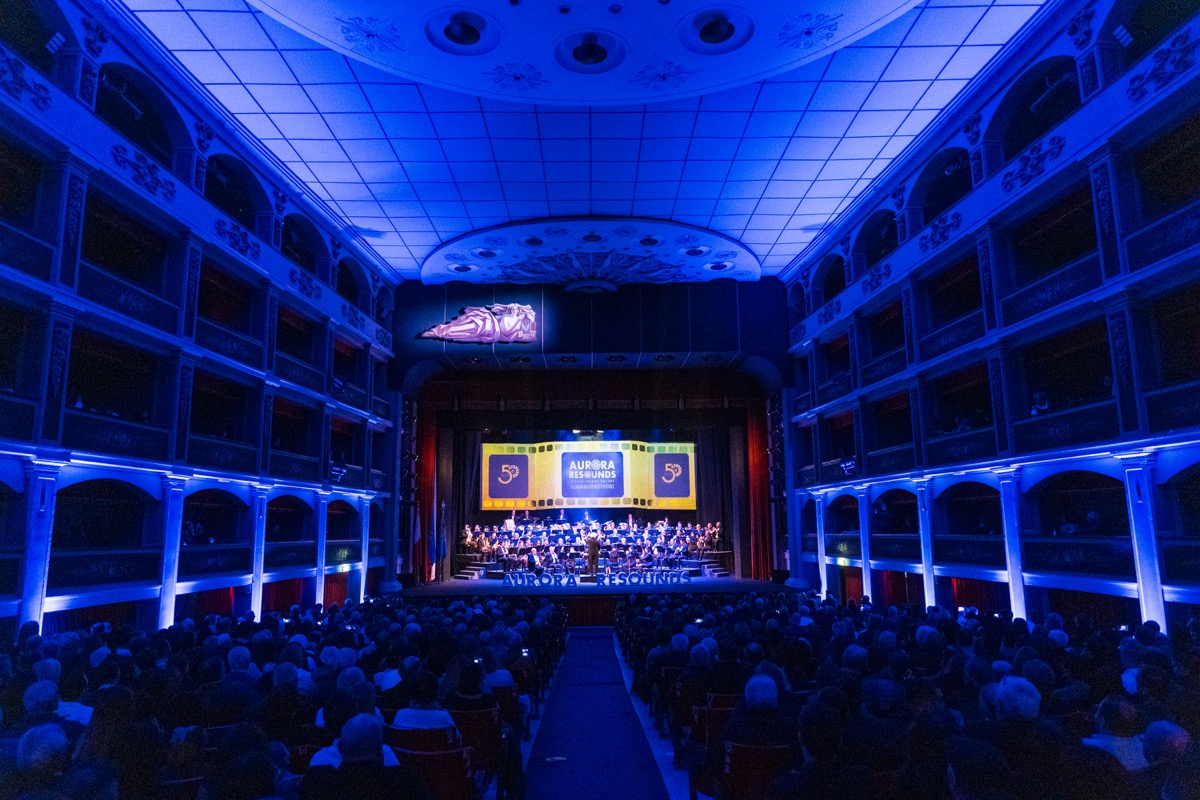
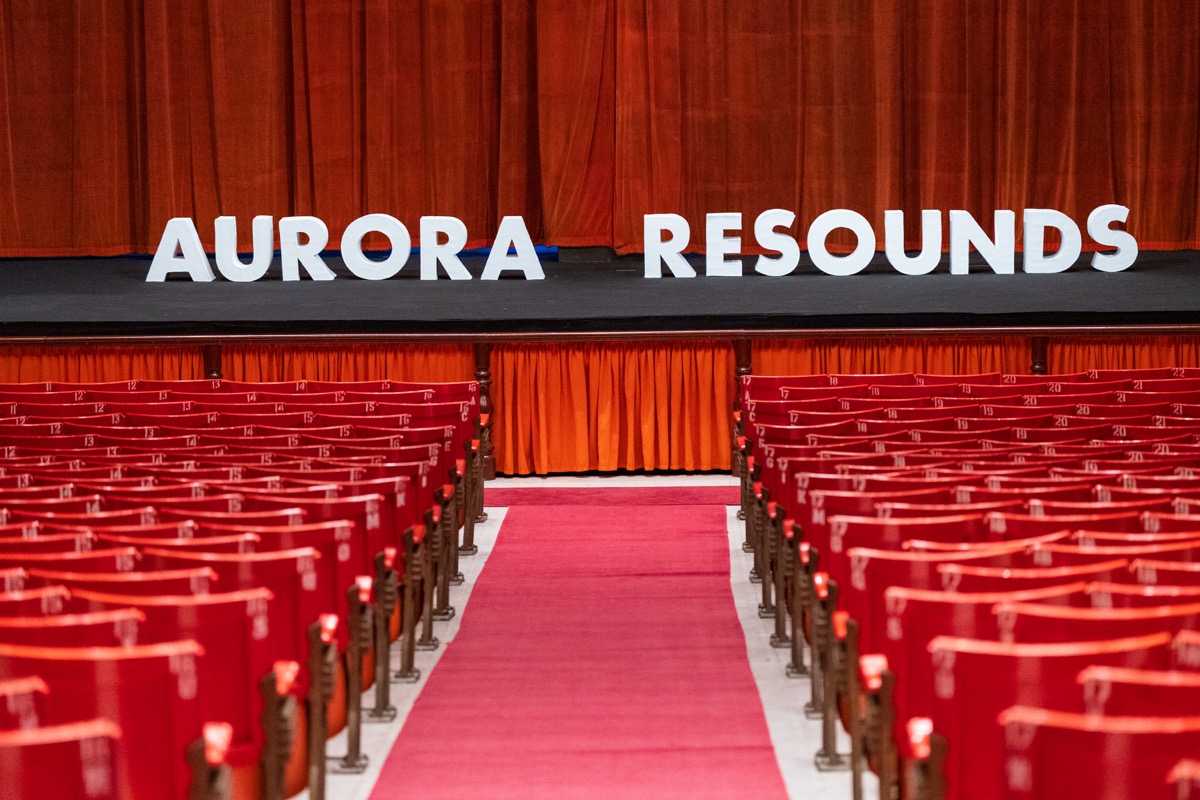
A 1200-strong audience thronged to the Aurora Opera House last Saturday as the theatre launched its 50th anniversary celebrations with a special night that celebrated cinema heritage and film music. Aurora Resounds, a Royal Talkies encore was essentially a concert of film music, by the Leone Band, conducted by Colin Attard. However, it turned out to be much more than that as veterans and relatives filled up the Emvin Cremona space donned in gowns and bow ties.
A Royal Talkies encore
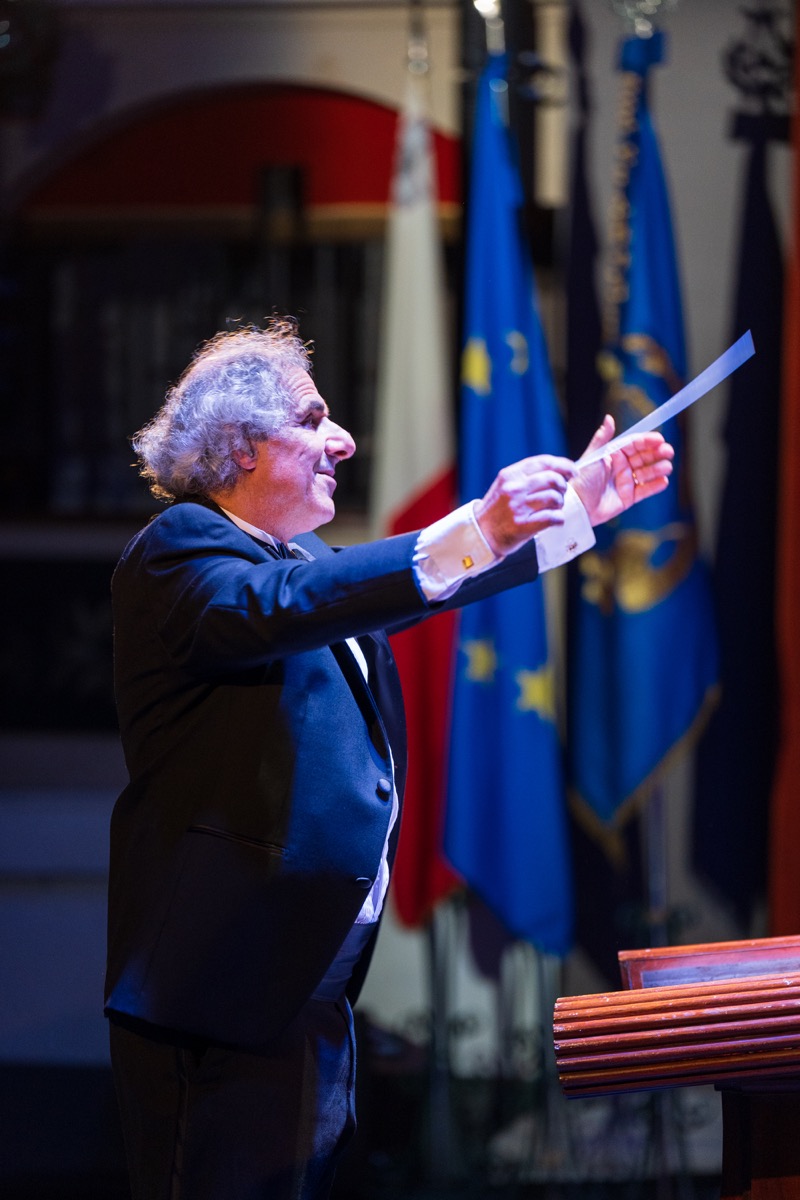
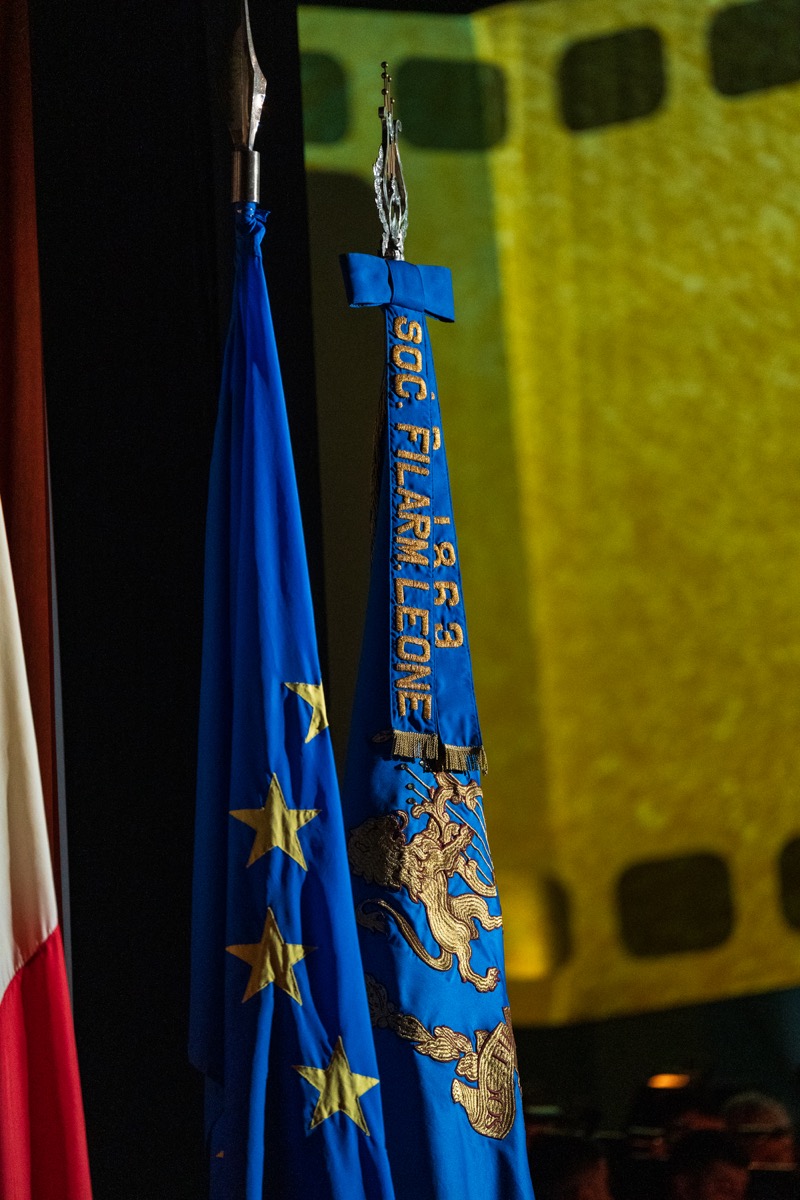
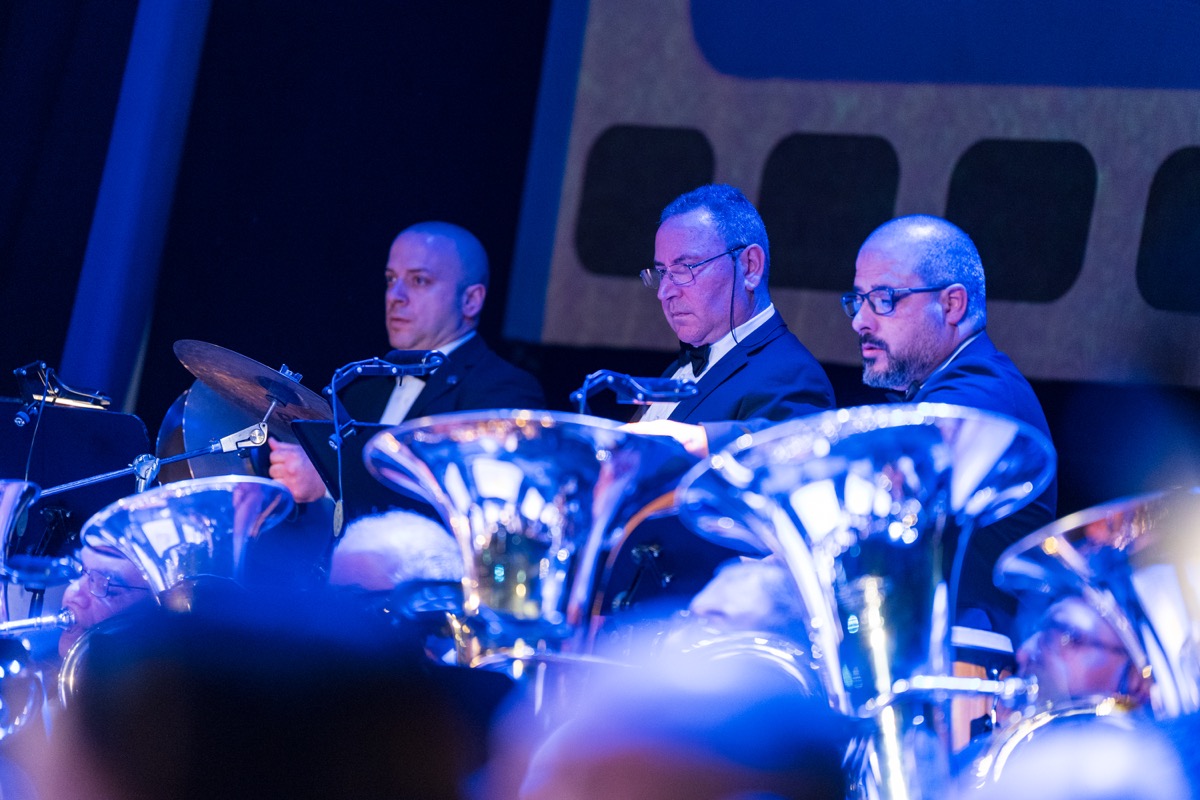
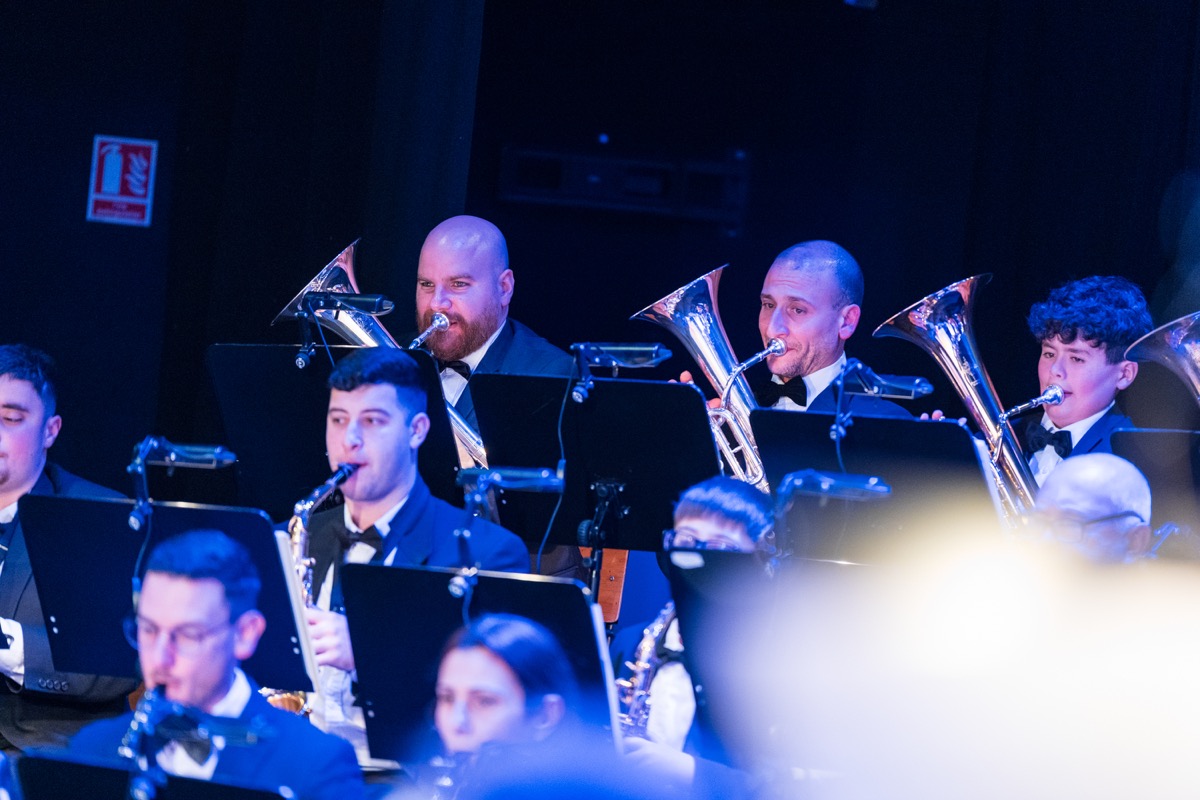
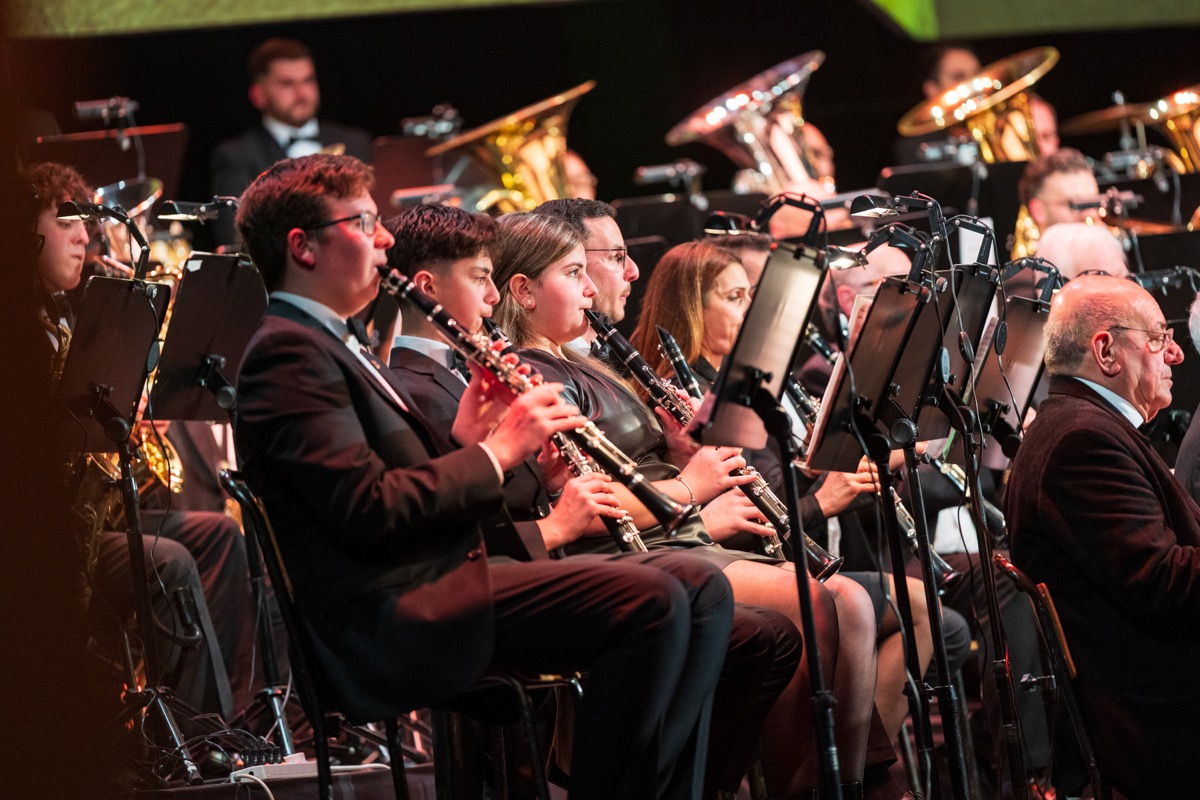
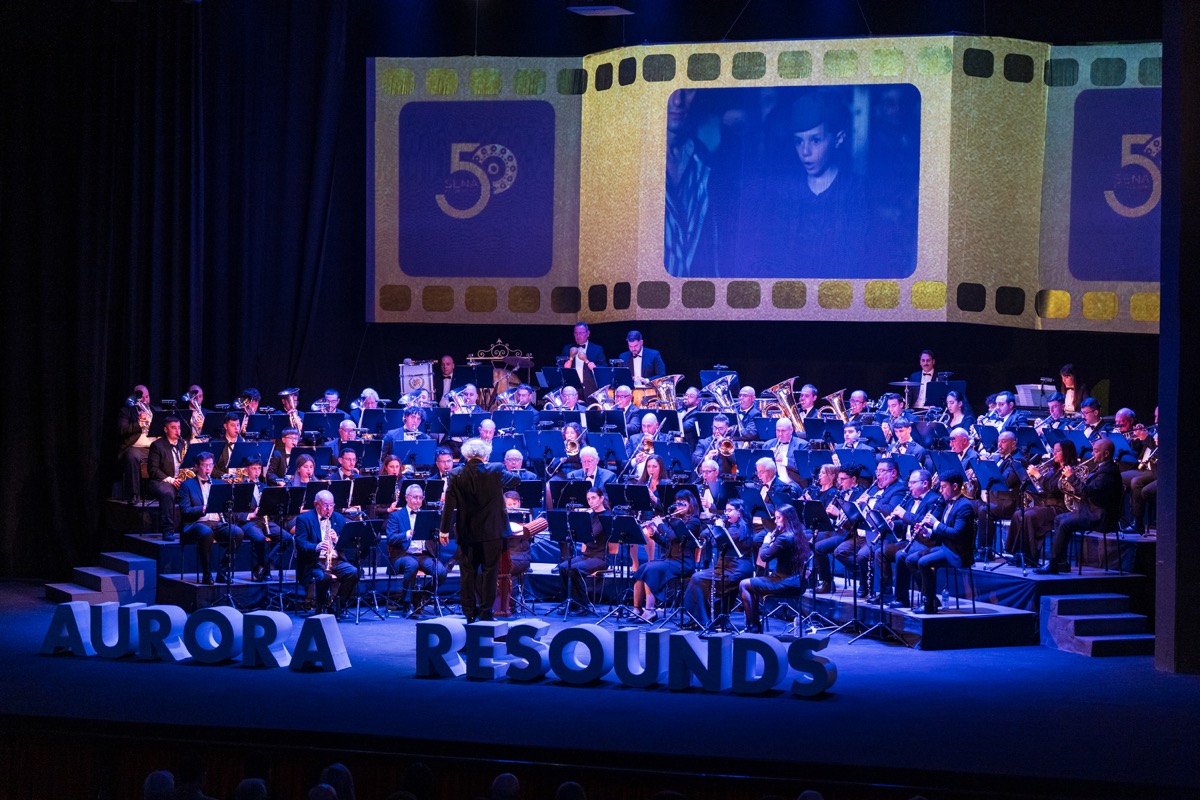
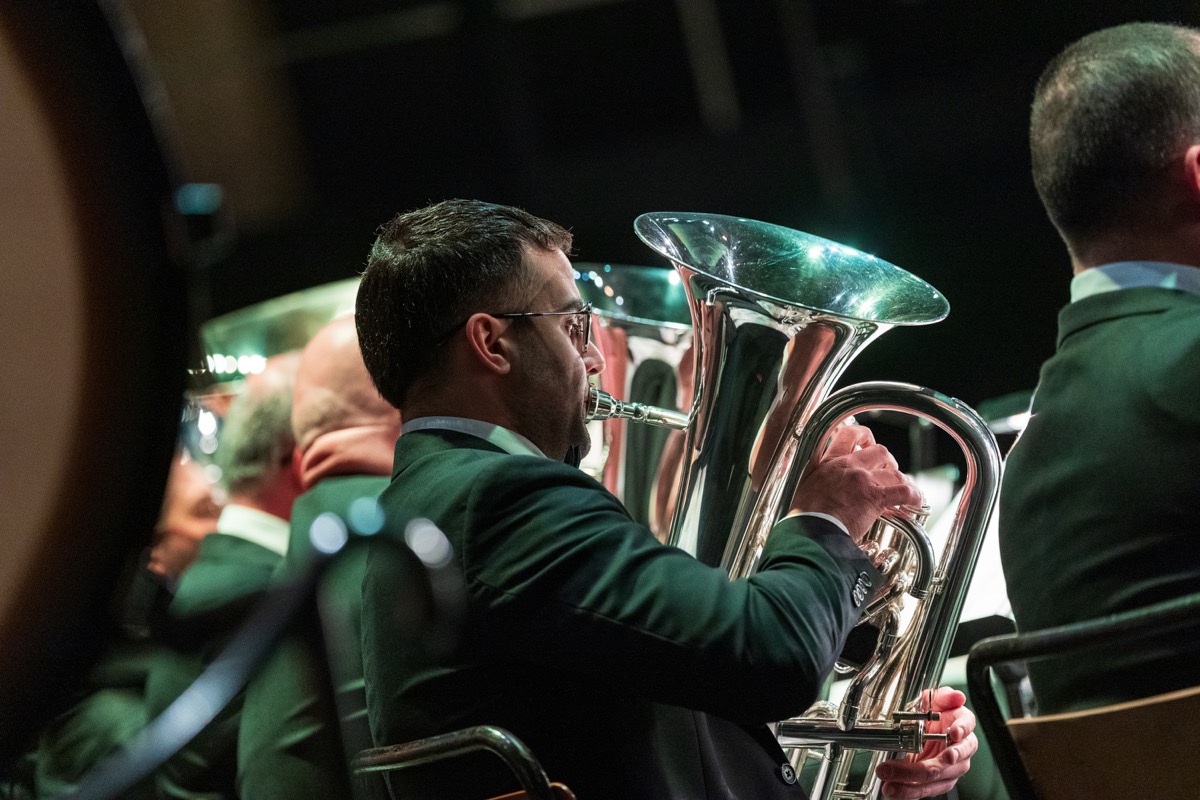
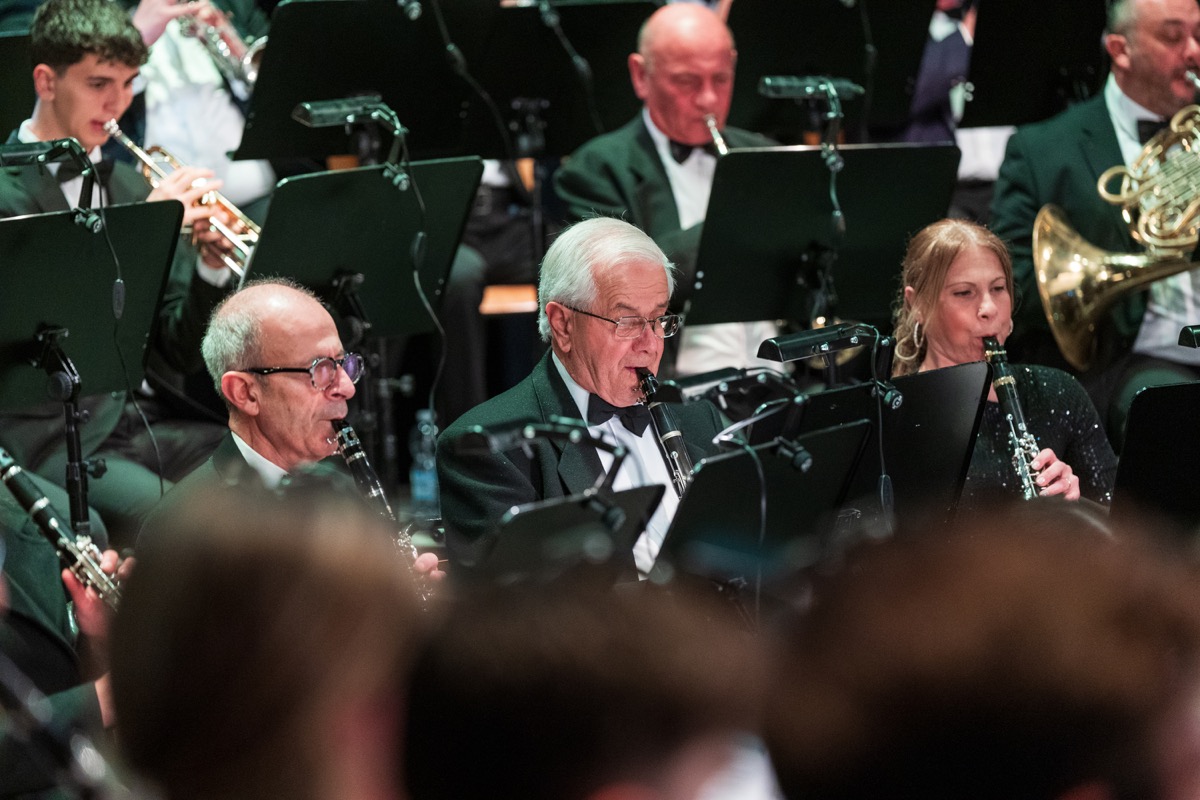
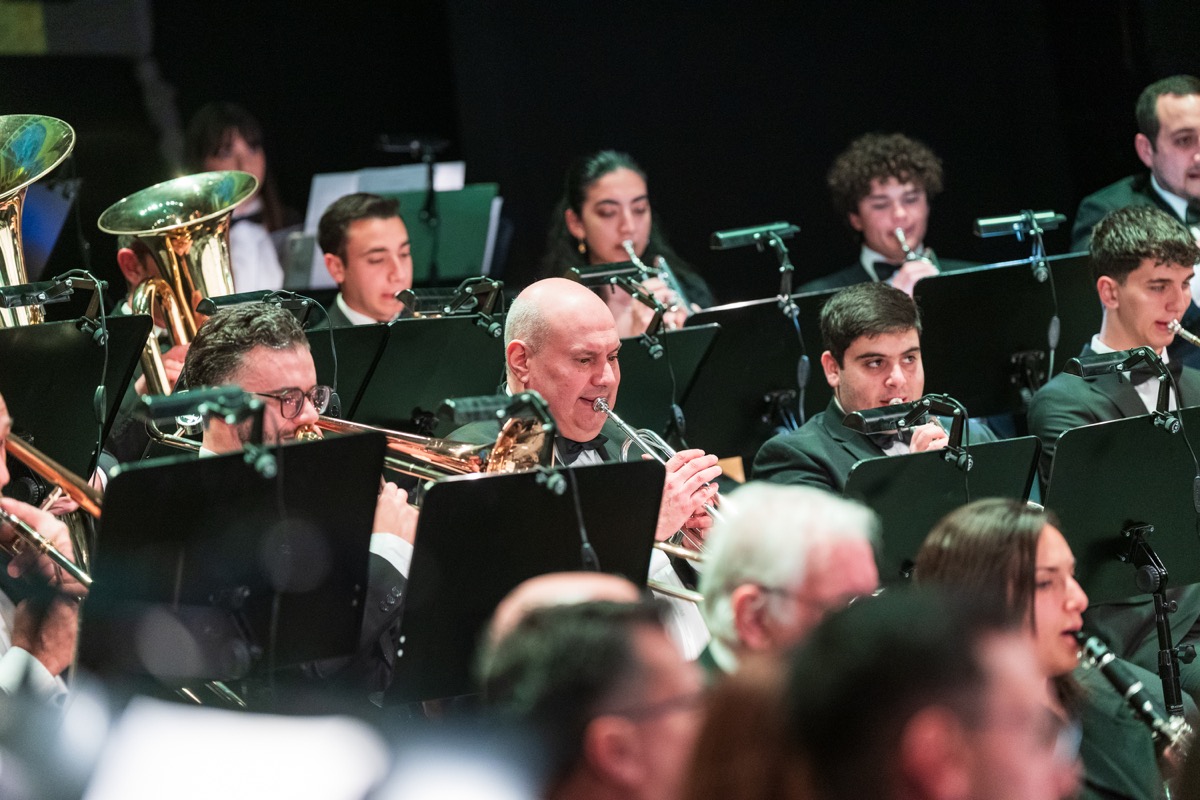
The Leone Band and conductor Colin Attard were in top form. They executed a set list of film music that ranged from sublime themes, to the most complex of rhapsodic selections and medleys. After the opening 20th Century Fox fanfare, the band performed 1492 – The Conquest of Paradise (Vangelis, 1992) and two themes from Nicola Piovani’s score for La Vita é Bella. Then came the famous Zorba’s Dance from Zorba the Greek and a very challenging selection of works by the immortal Charles Chaplin. The set list also included the Parade of the Charioteers from the colossal 1959 film Ben Hur and the James Bond Suite in 4 movements. The performing band reached its heights in three selections from the works of John Williams, Henry Mancini and Ennio Morricone as Colin Attard surfaced raw emotions of lyricism and dramatic intensity. The audience was indeed drawn into a richly expressive soundscape that balanced technical precision with heartfelt musical storytelling; from the very first number, right up until the final showpiece – the colourful medley from The Wizard of Oz.
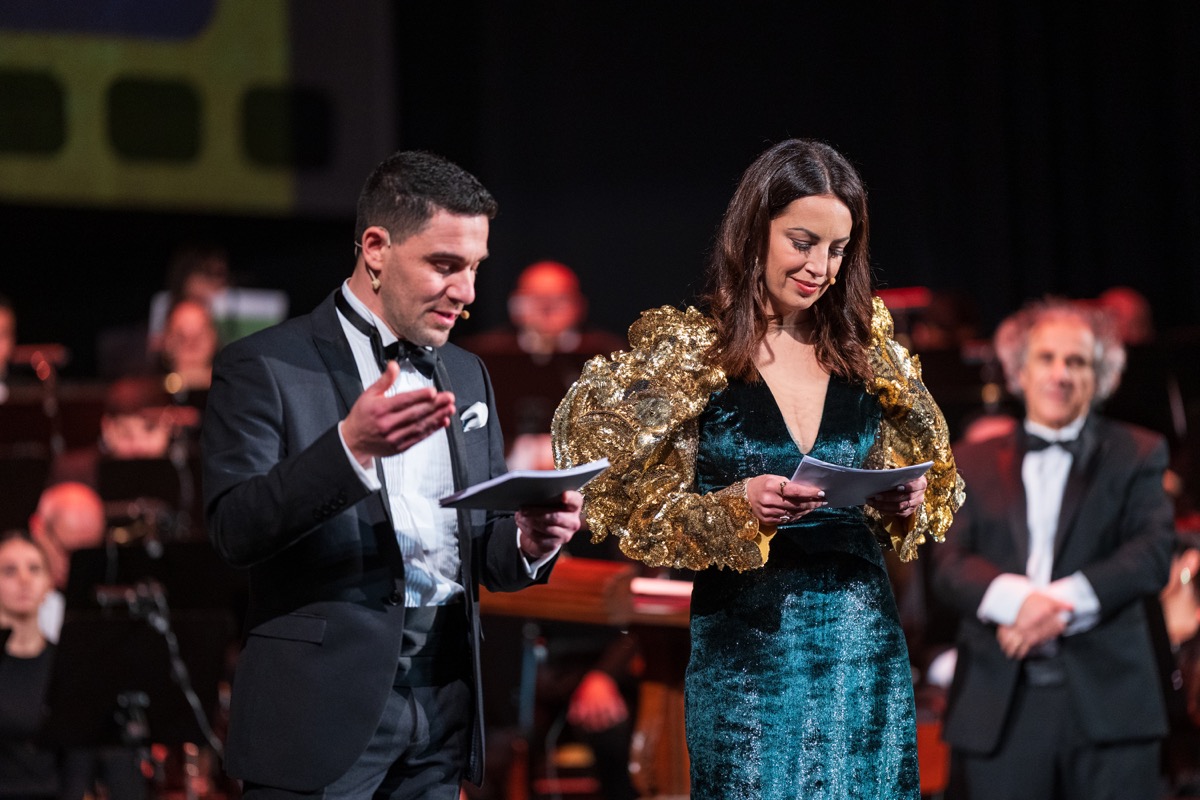
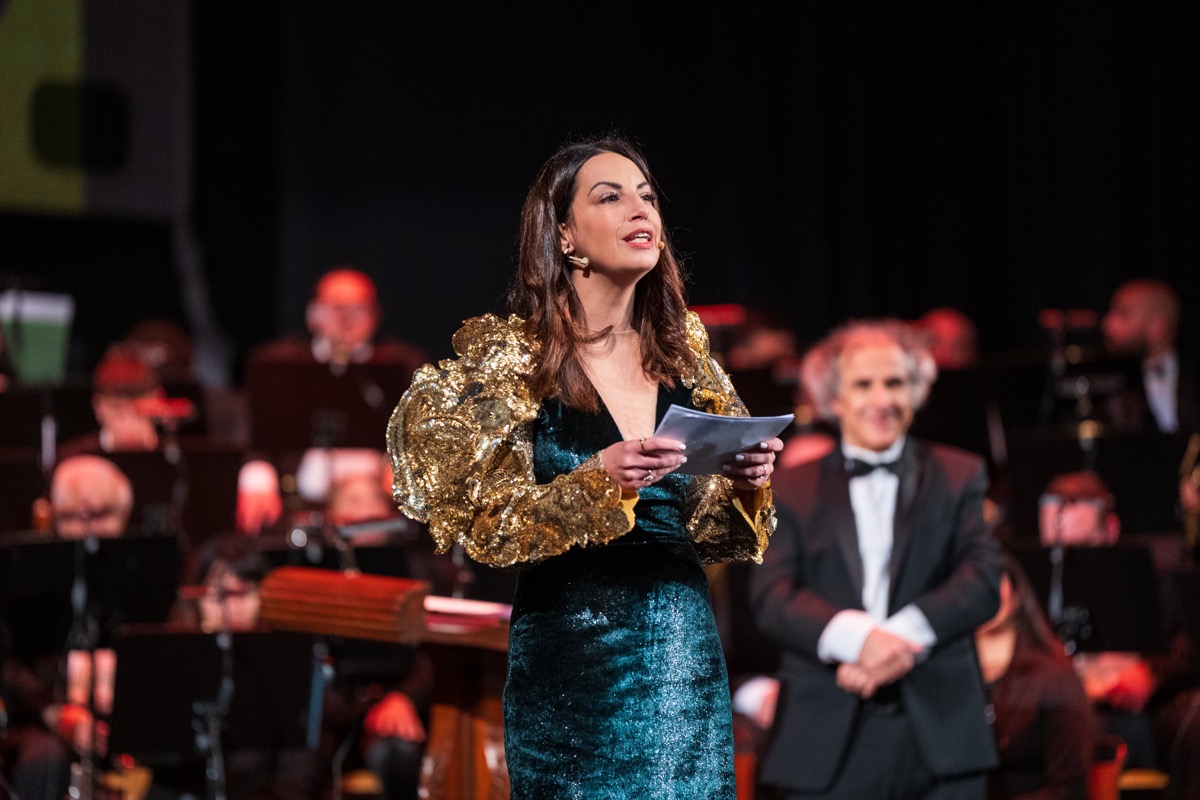
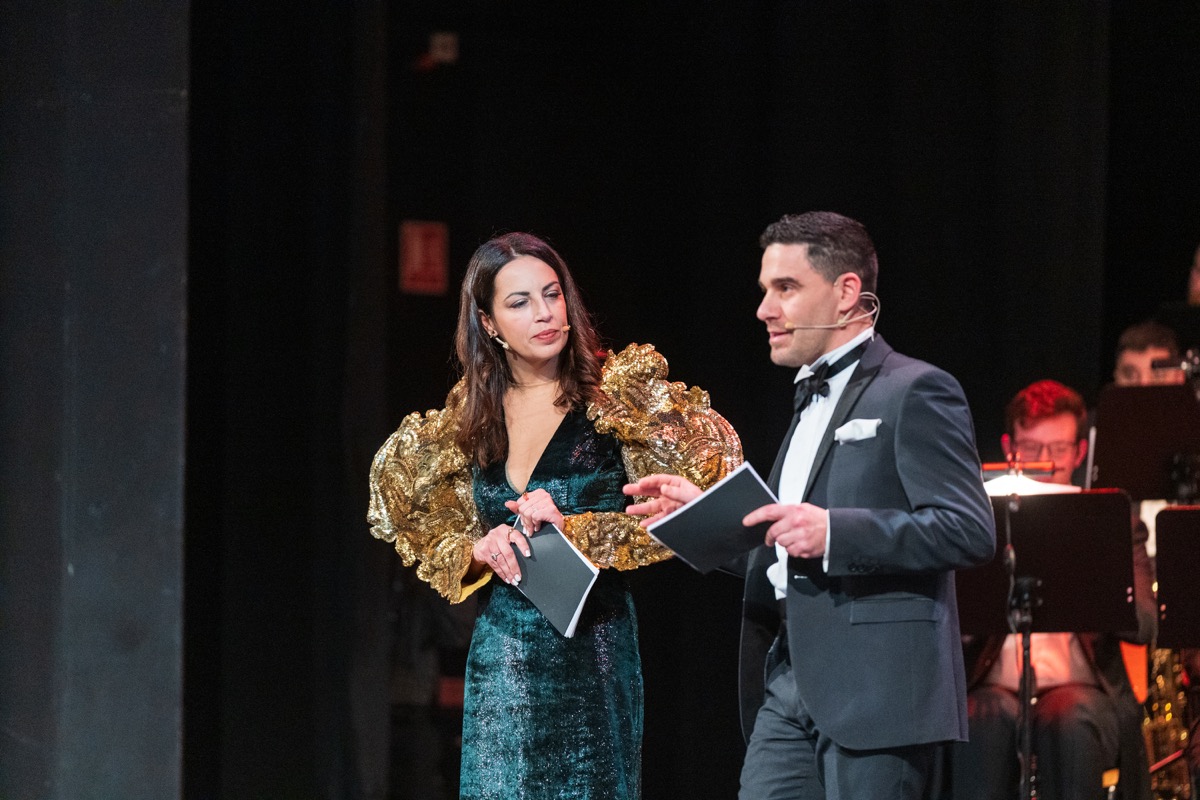
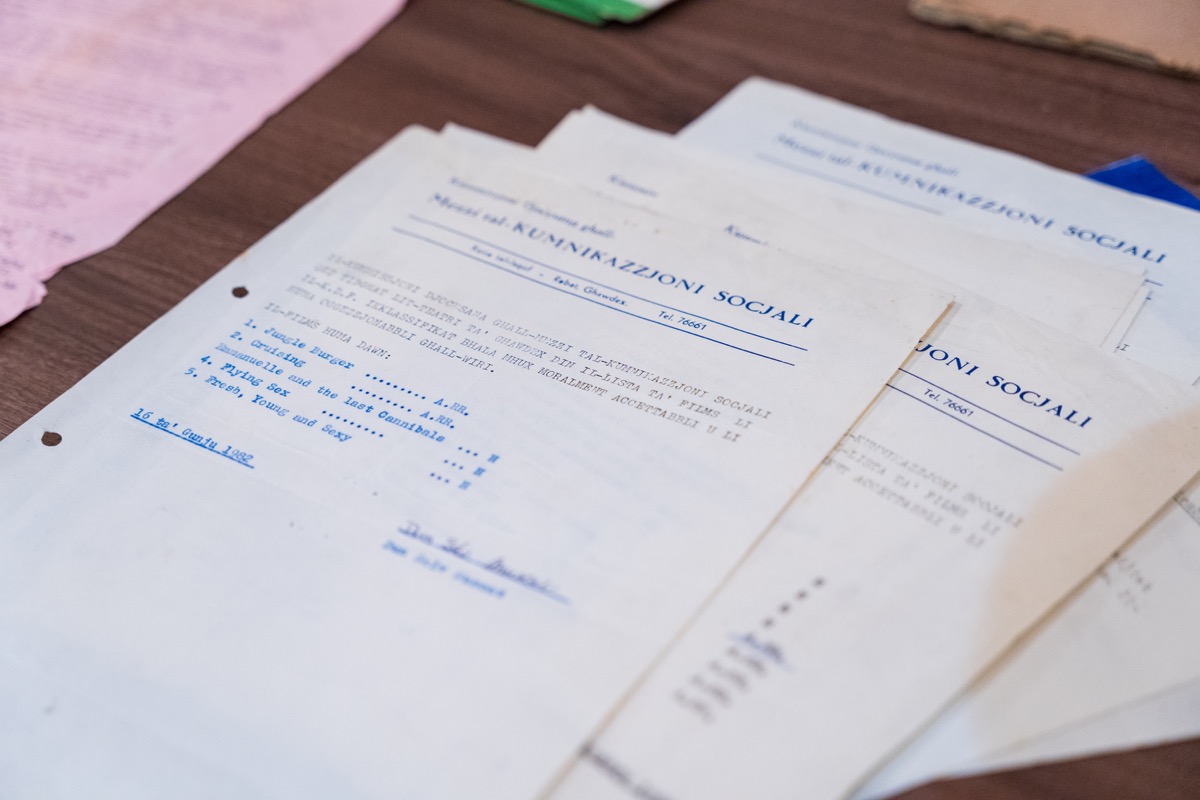
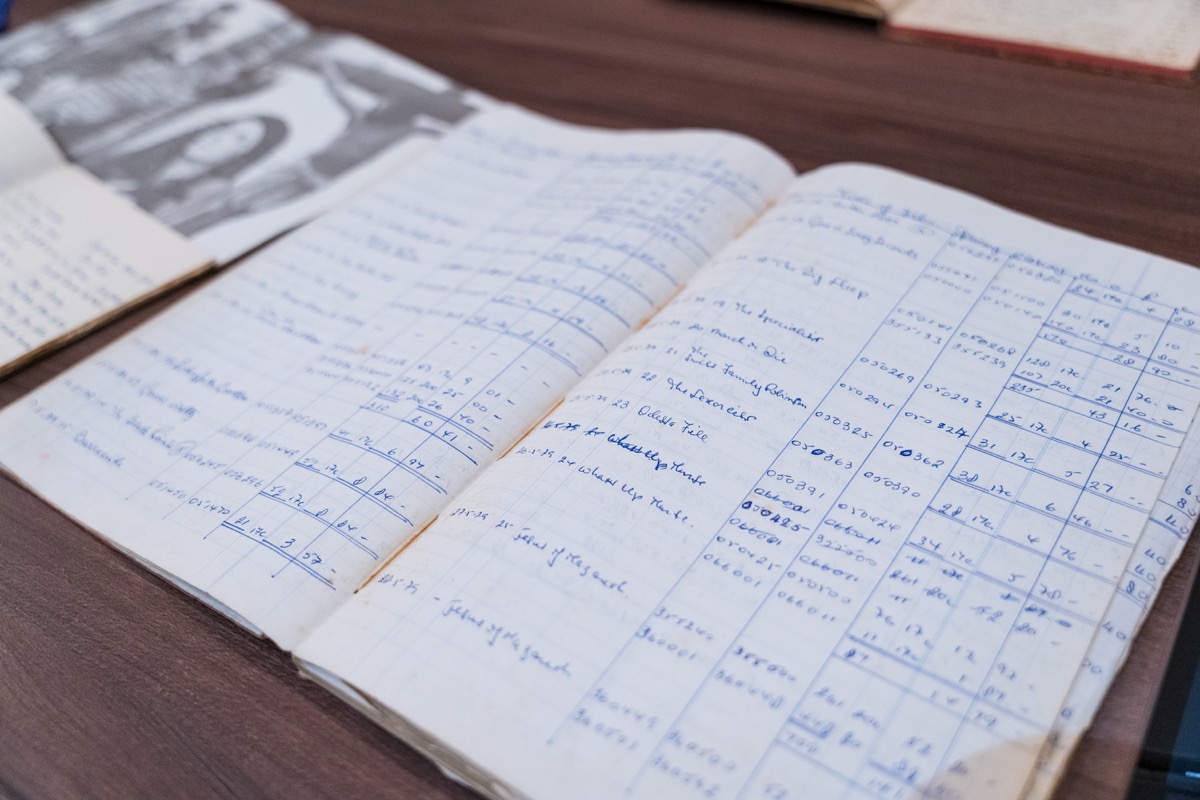
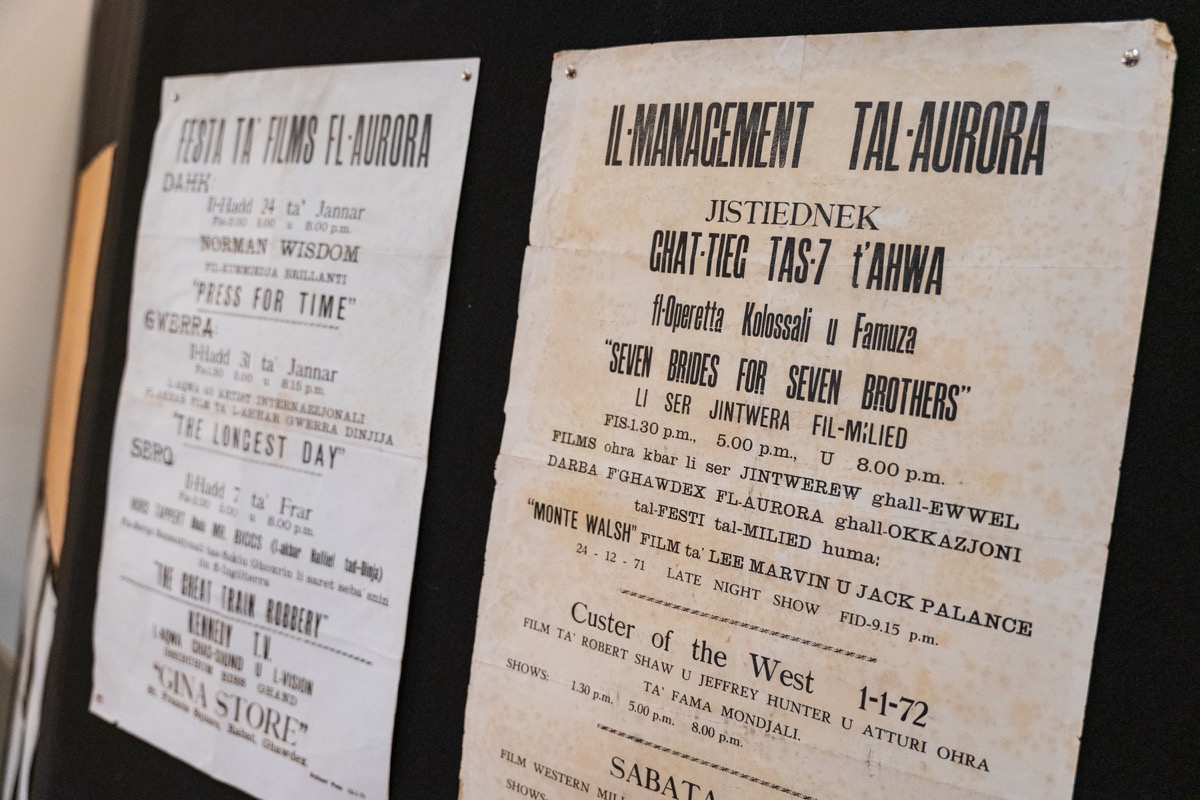
Over and above the film scores, the concert, hosted by TV personality Dorianne Mamo and the Aurora’s own Matthew Sultana, harked on nostalgia as it recounted memories of the Leone Band’s first cinema – The 1931 Royal Talkies, and its successor – the 1963 Aurora. In between the musical numbers, filmed interviews with veterans (originally filmed by Brighter Image Media and repurposed for the night) were projected onto a large 35mm-strip backdrop. The audience was regaled with beautiful narratives of a zinc-roofed silent movie cinema, and tales of an era gone-by when illiterism would compel audiences to watch and rewatch Ben Hur in the good hope that one set of horses would win over the other in the next screening! Even the hardline Church-driven censorship of half-a-century ago found its way into the concert.
AURORA: A STORY TO BE RETOLD
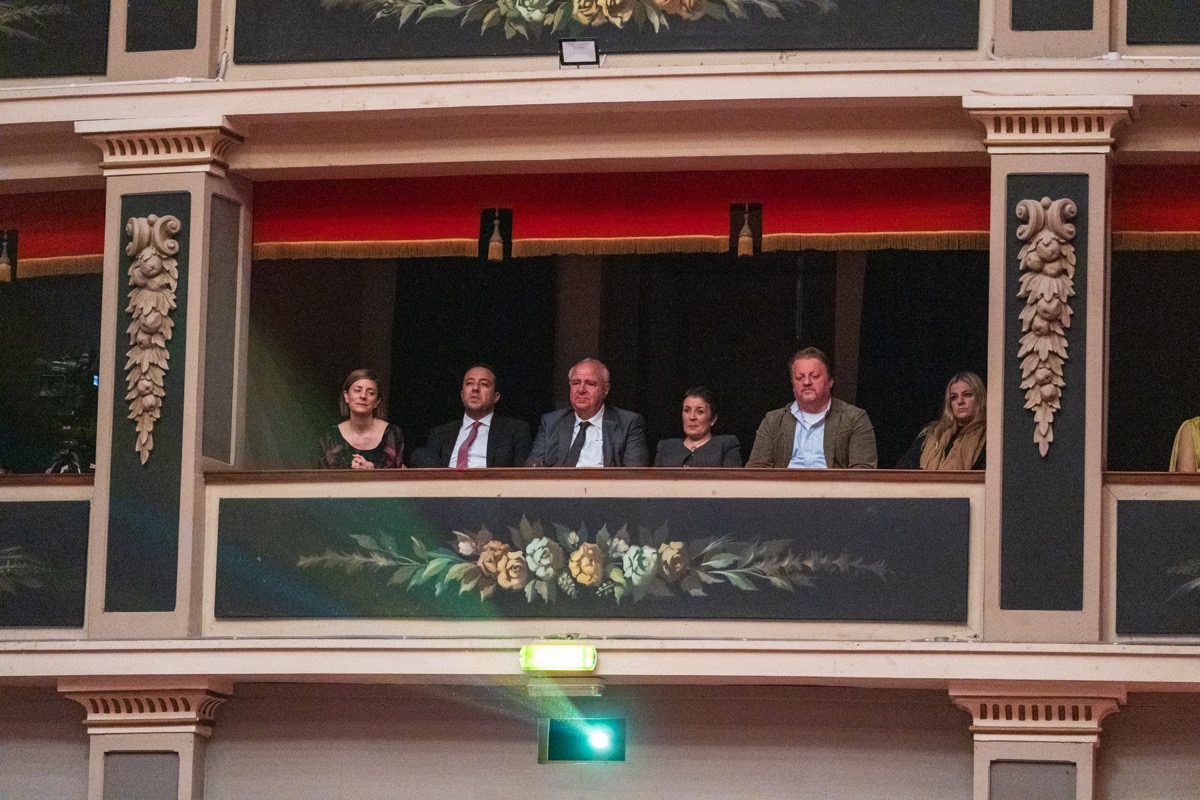
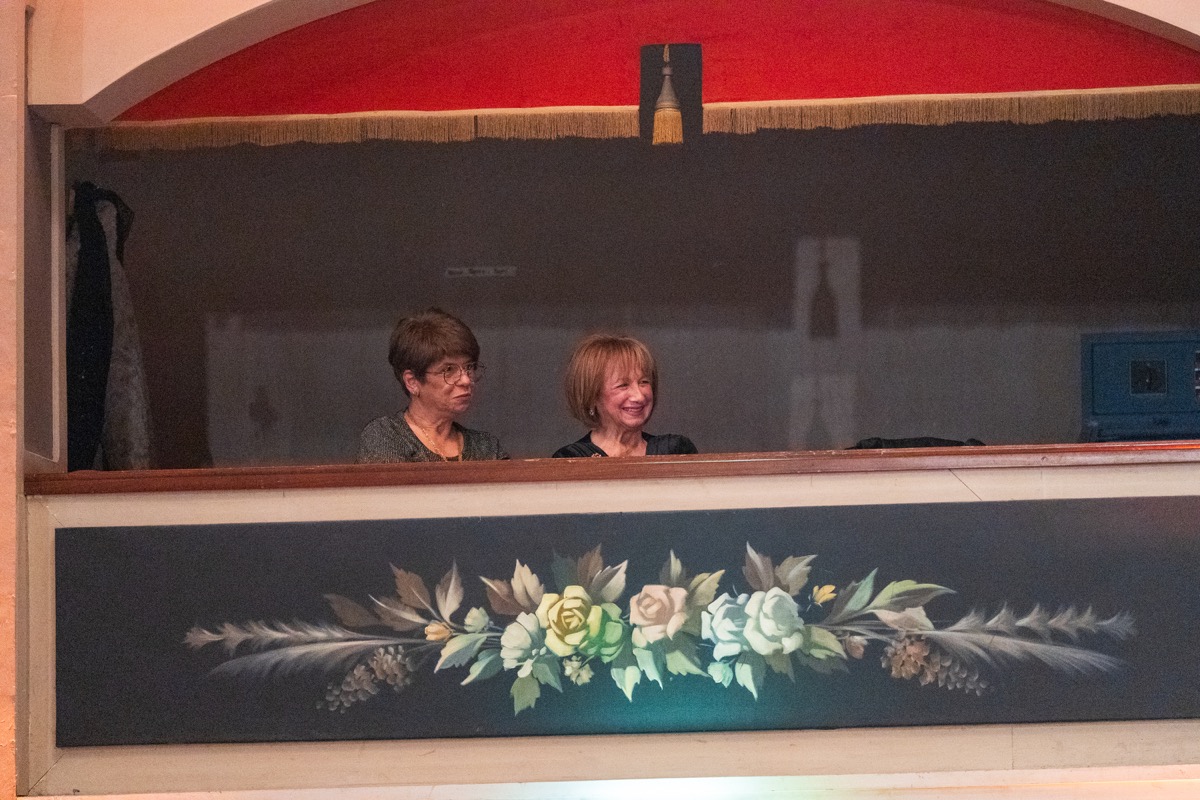
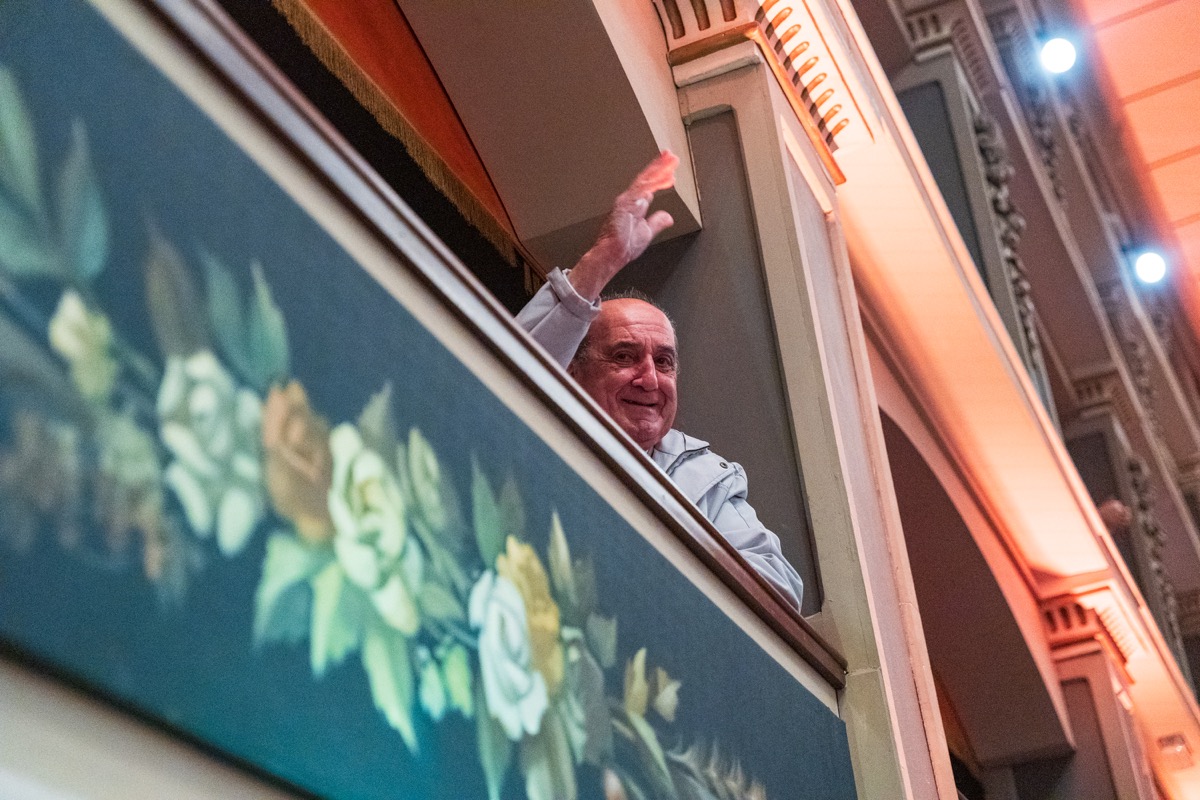
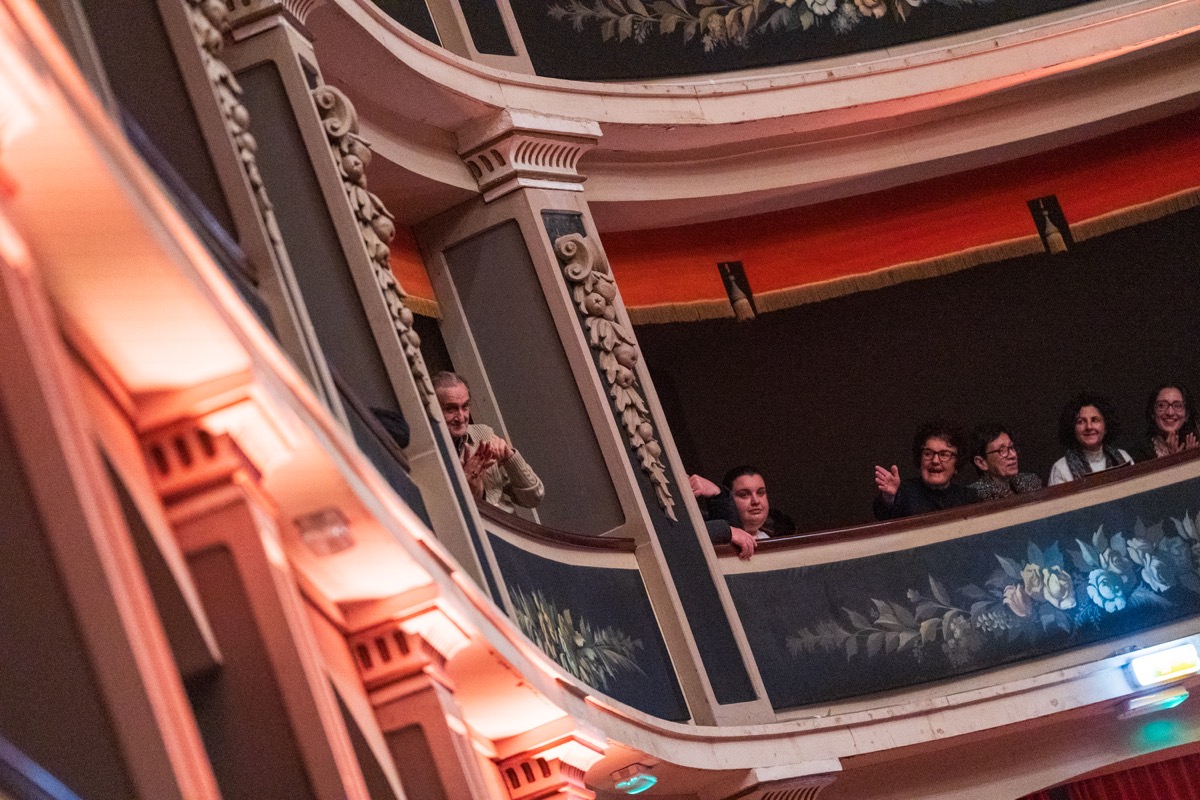
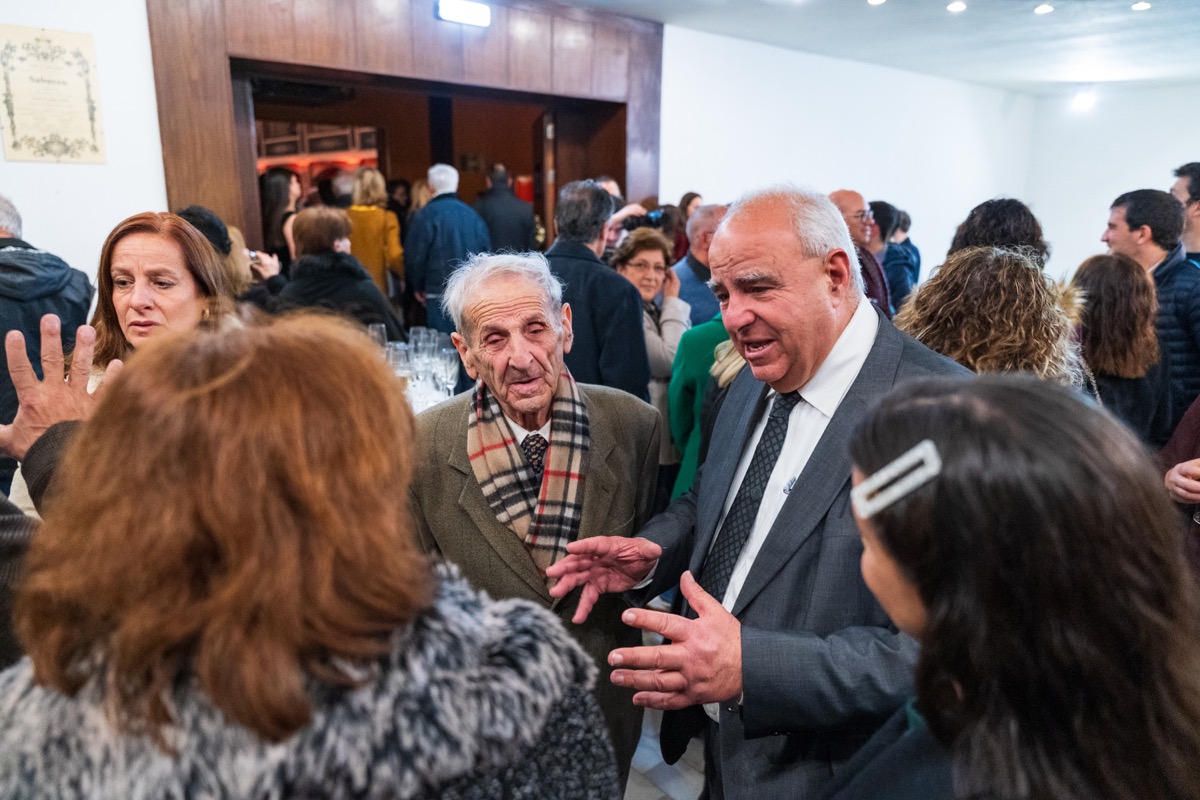
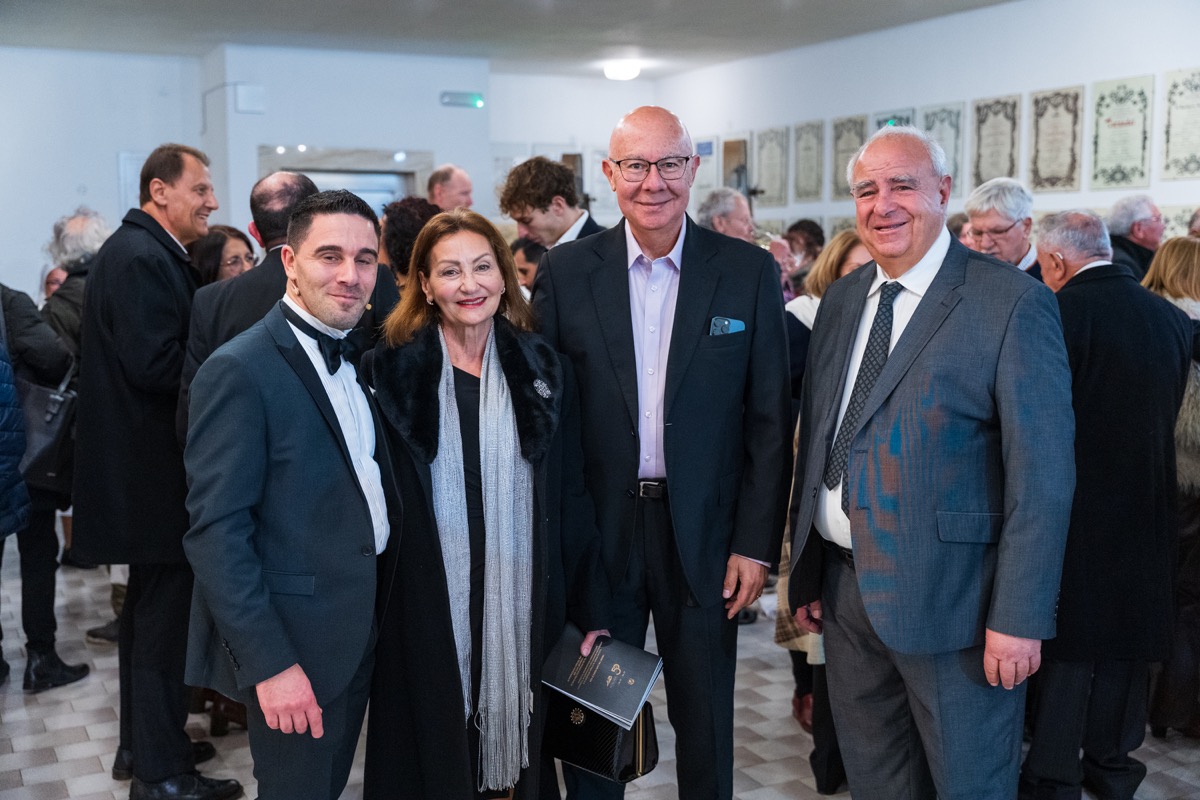
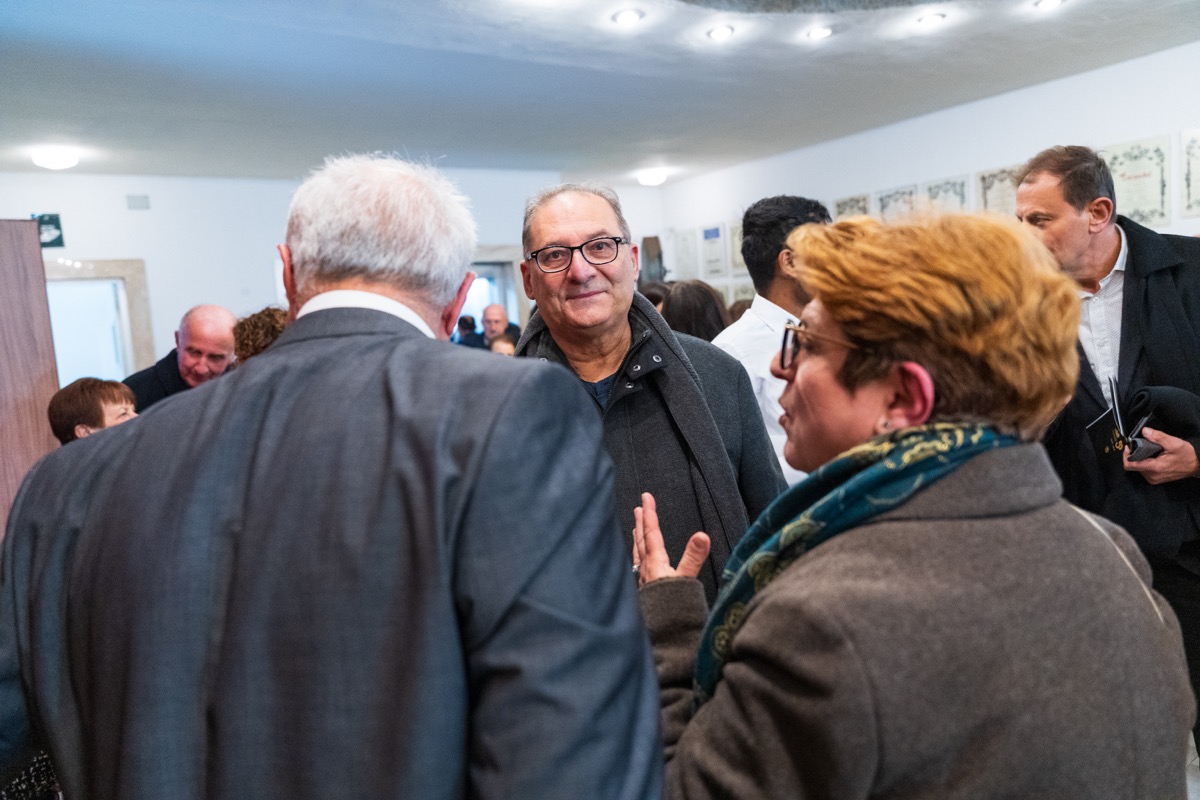
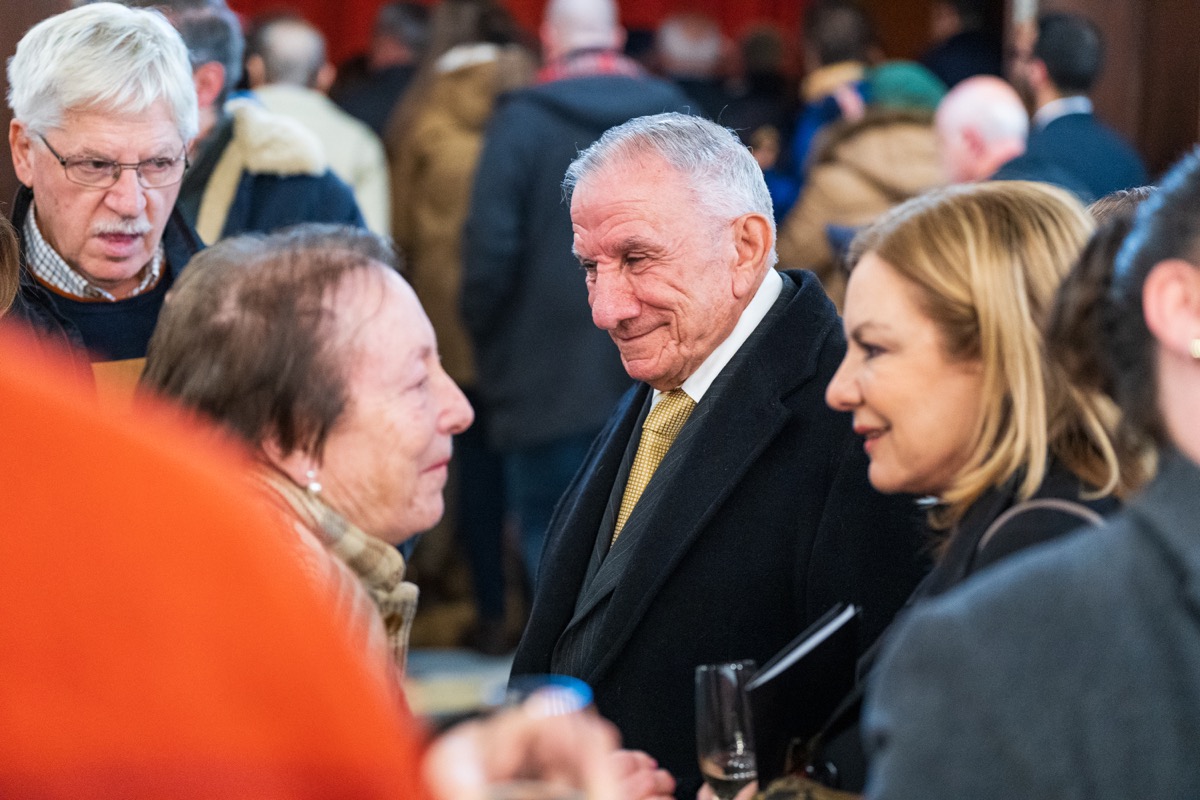
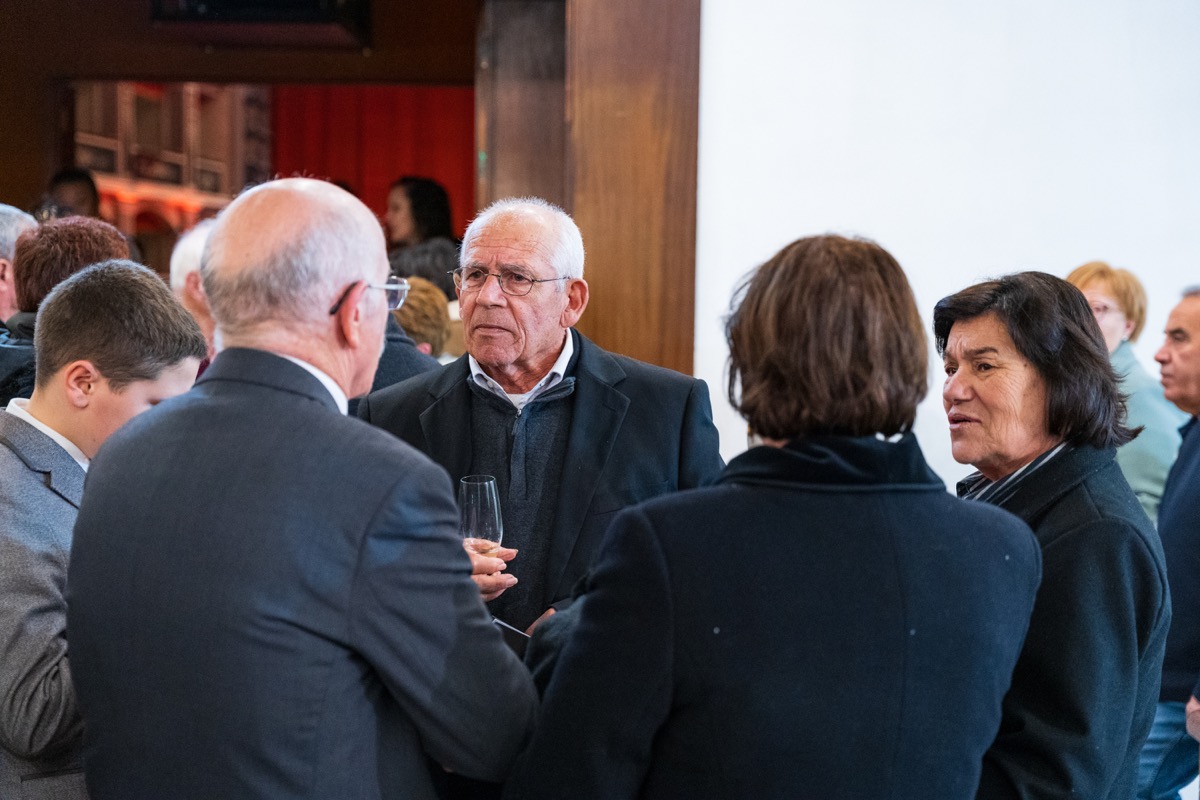
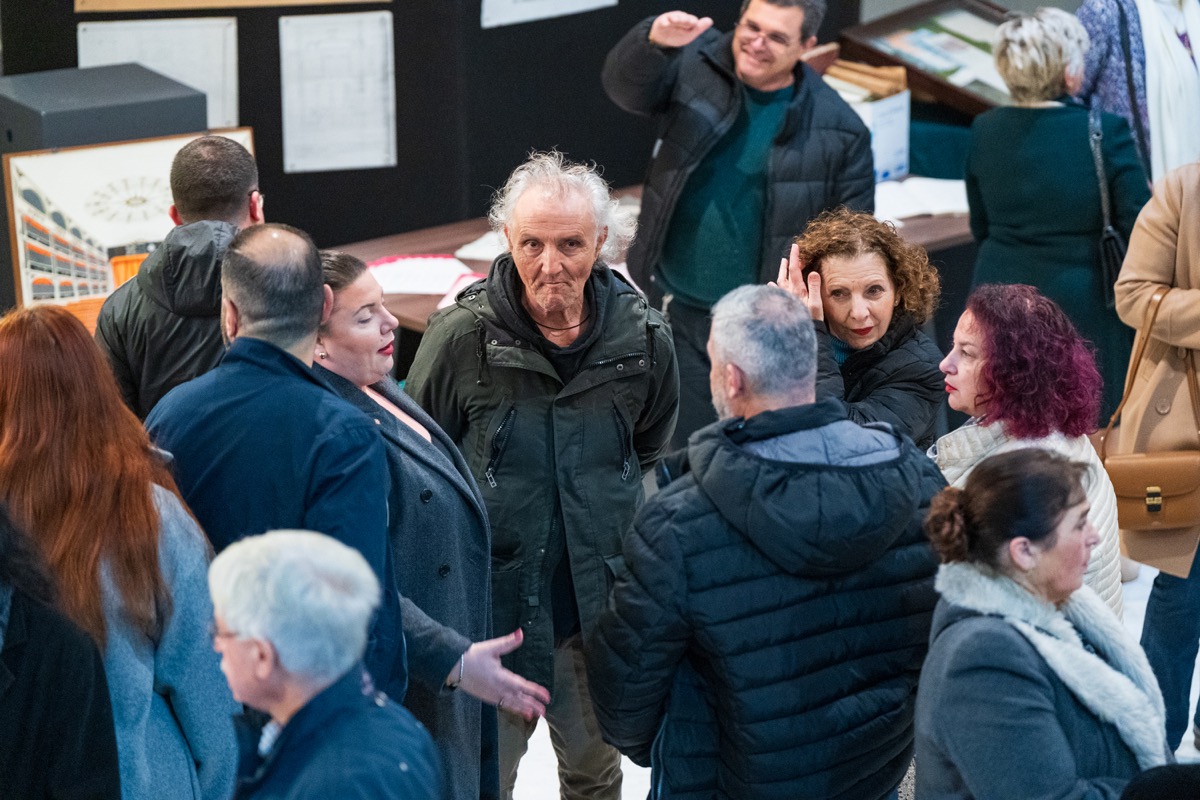
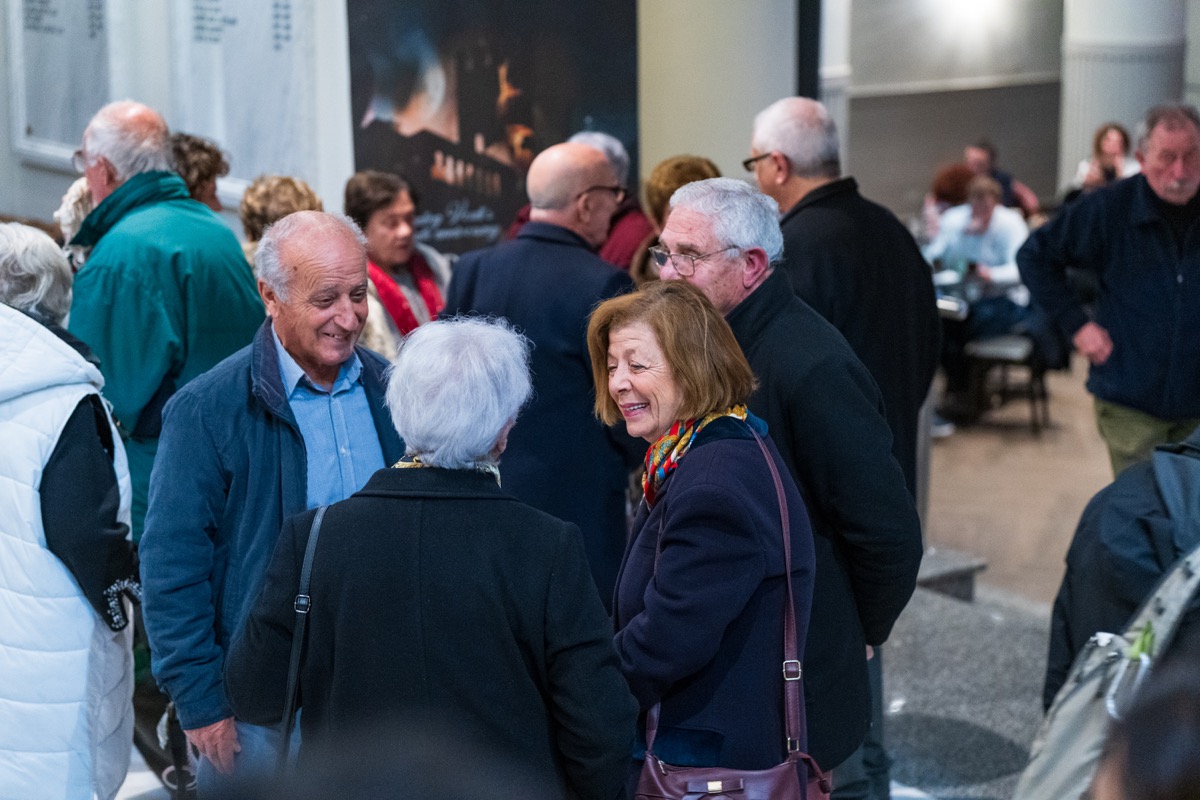
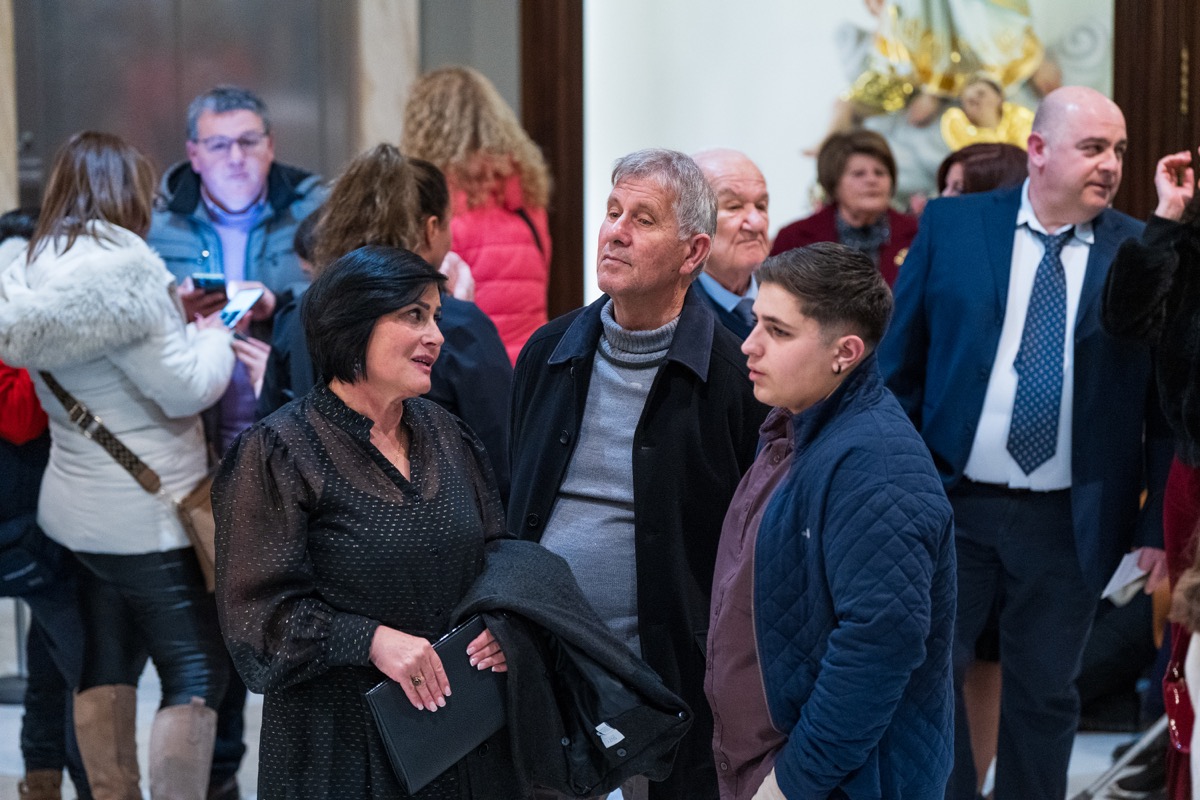
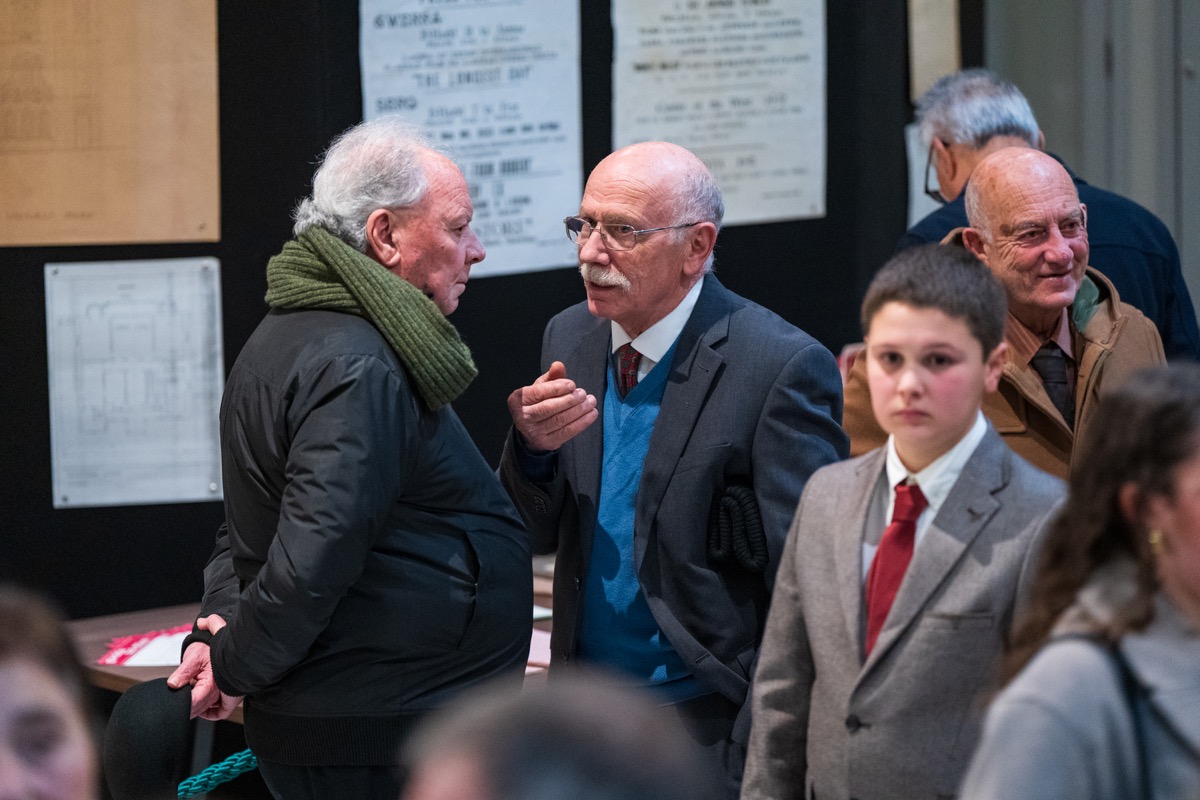
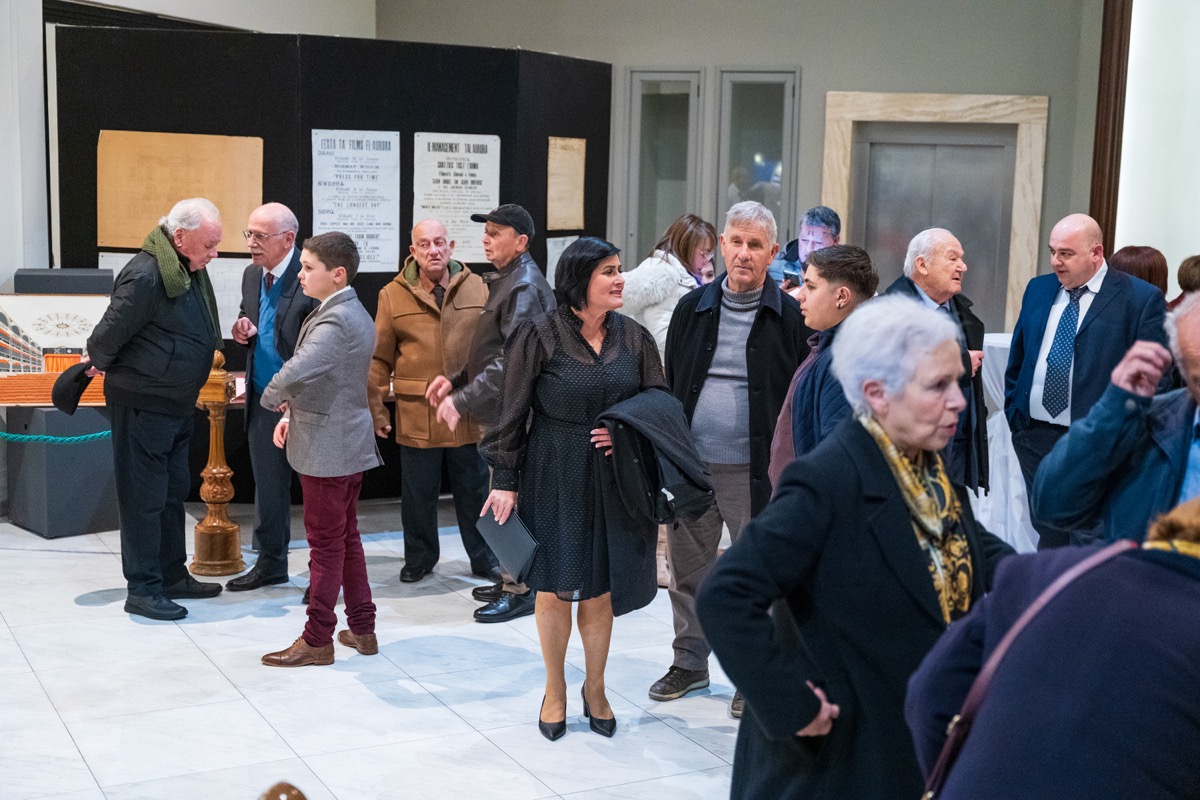
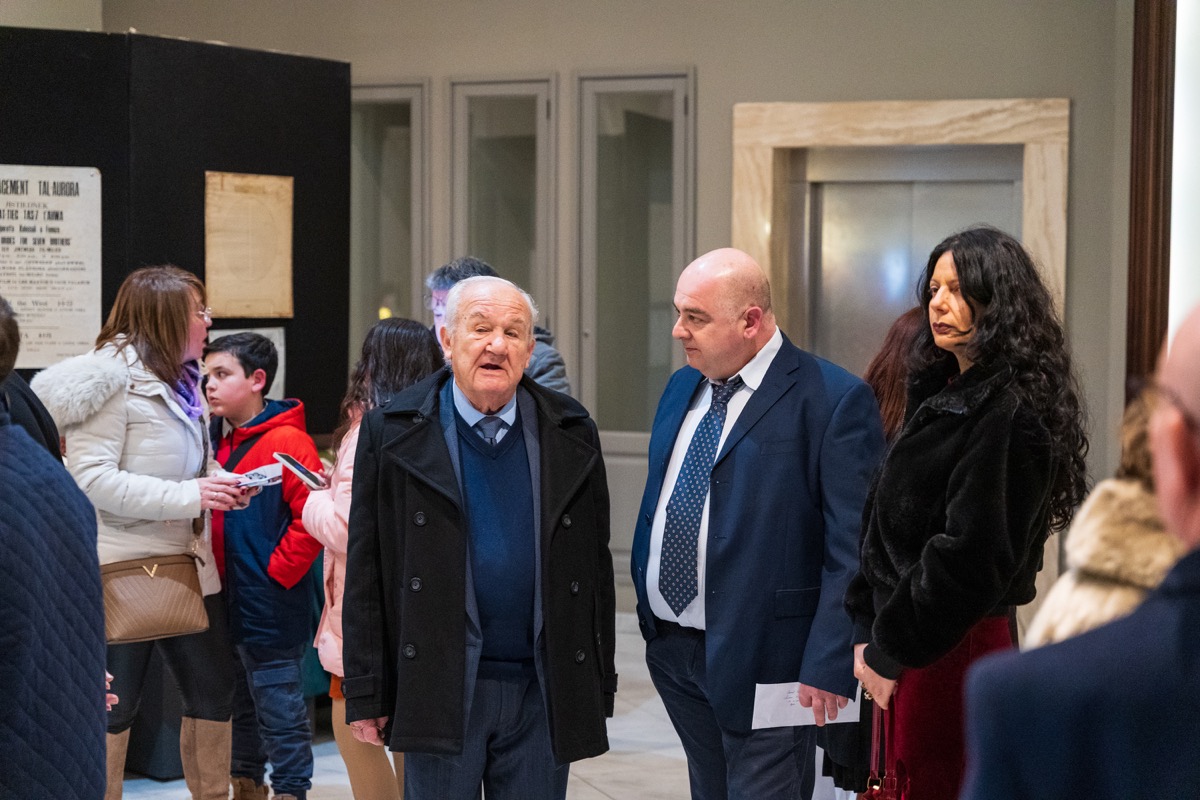
The atmosphere was further sustained by the fact that a large number of invited guests who turned up comprised former cinema projectionists, masons, carpenters, supporters and volunteers who actively helped in the construction of the Aurora Opera between 1971 and 1976 – them or their relatives. They were there to be acknowledged. And they all acknowledged the hearty applauses that resonated throughout the concert.
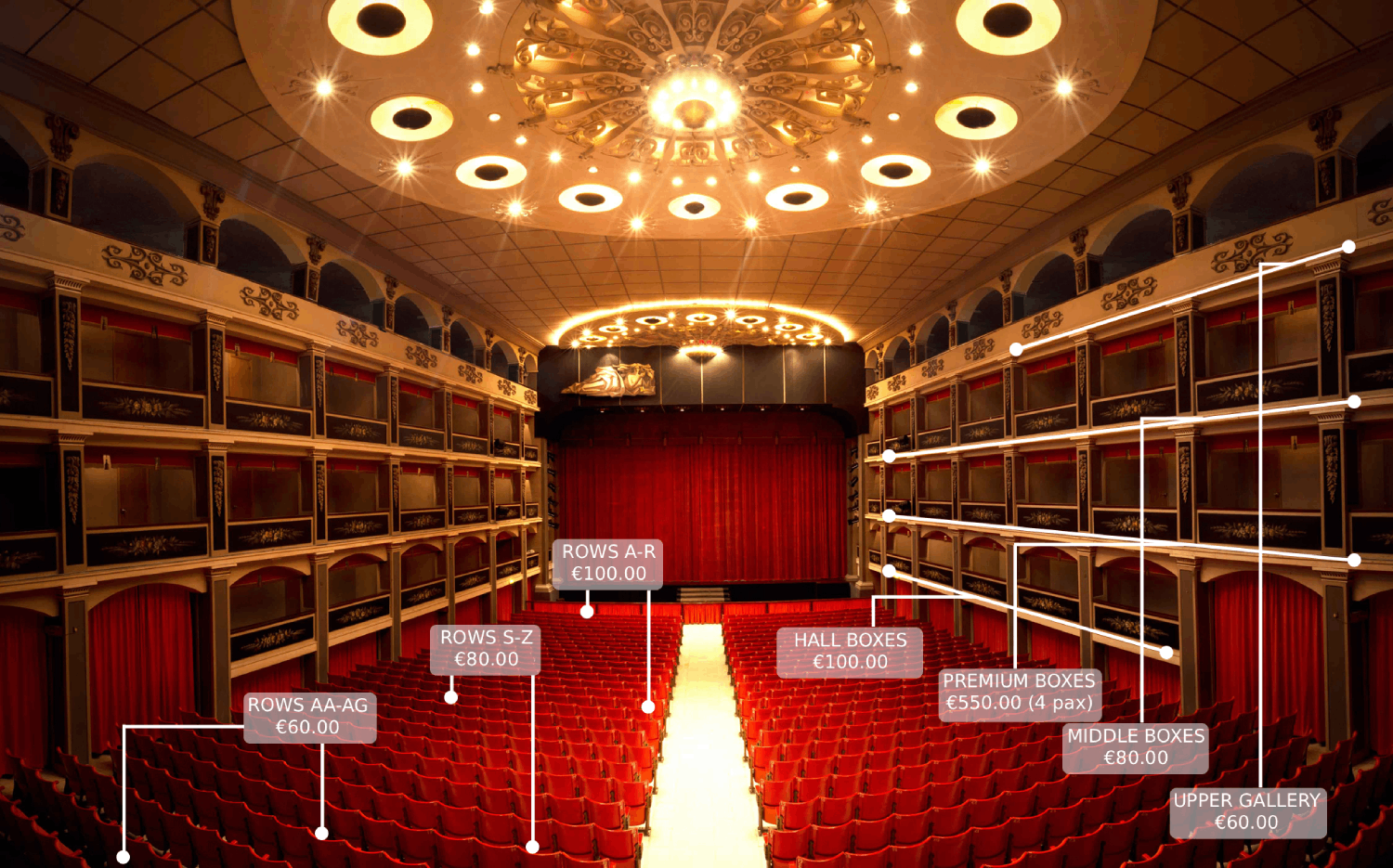
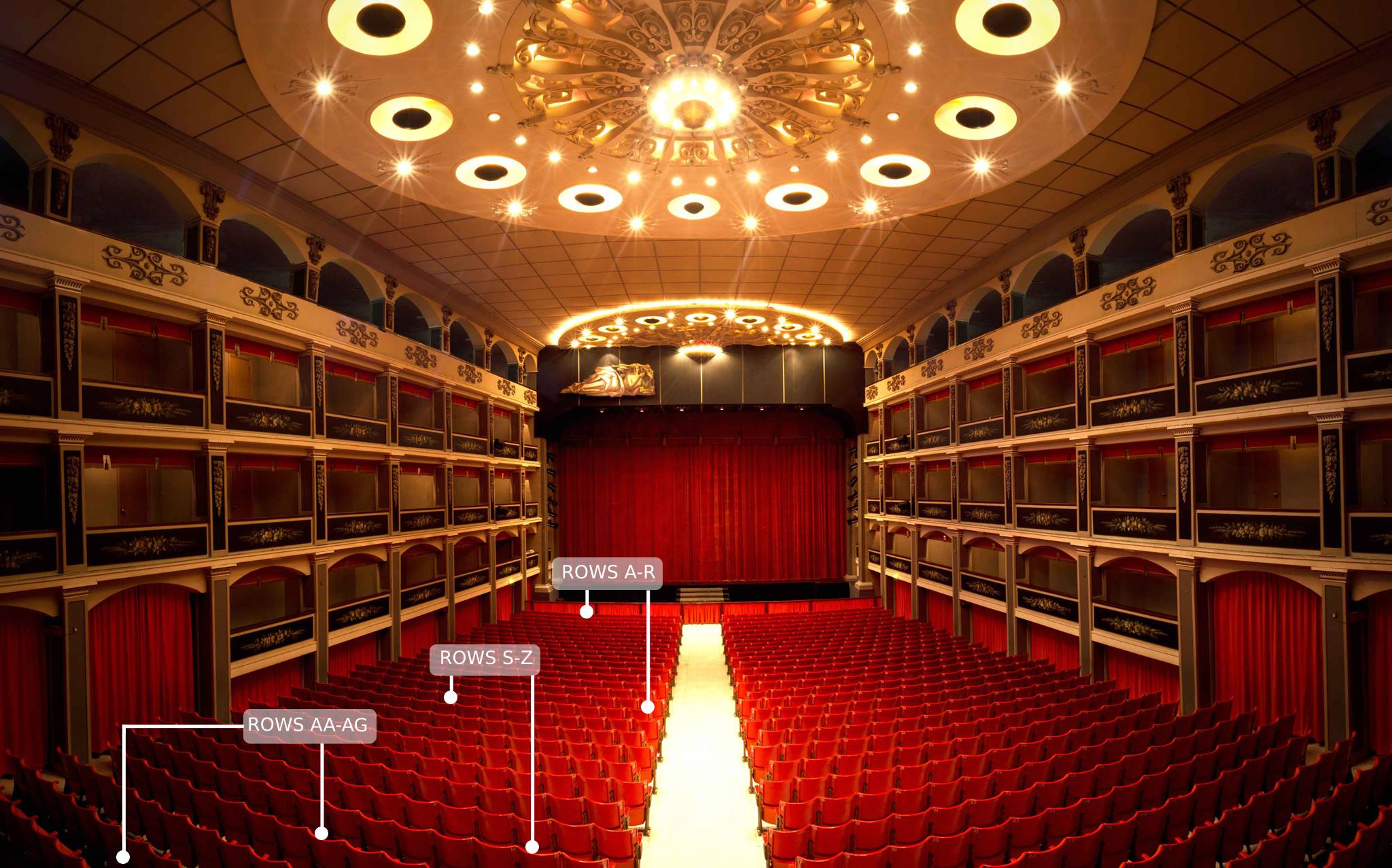
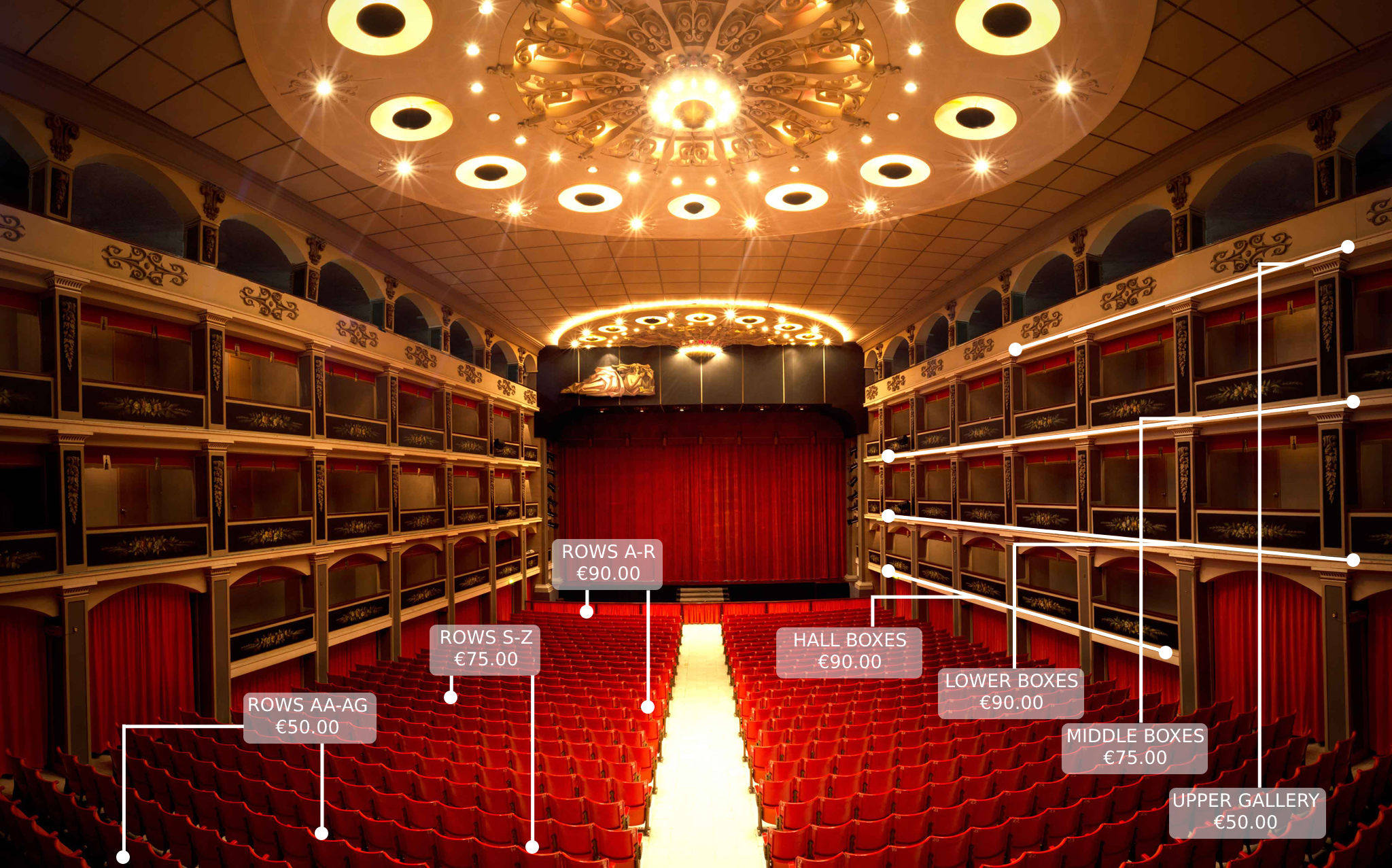
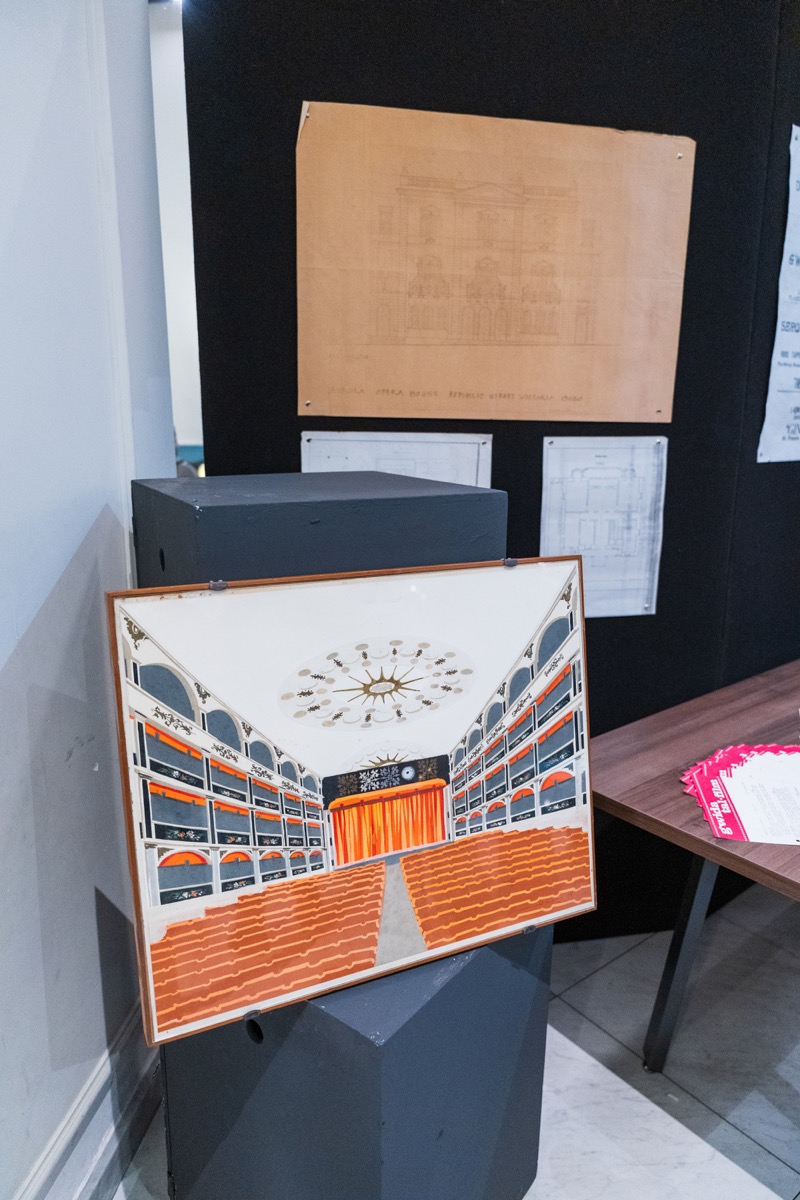
The current Aurora Opera House was formally inaugurated on 9th October 1976. It rose on a former stately house owned by Ettore Tabone and his family. It was built according to plans by Louis Naudi and decorative designs by Emvin Cremona, whose daughter Sylvana was a guest of honour. Veteran Gozitan artist and art educator Carmel Grech, whose active contribution shaped the Aurora as it eventually turned out to be, was also present.
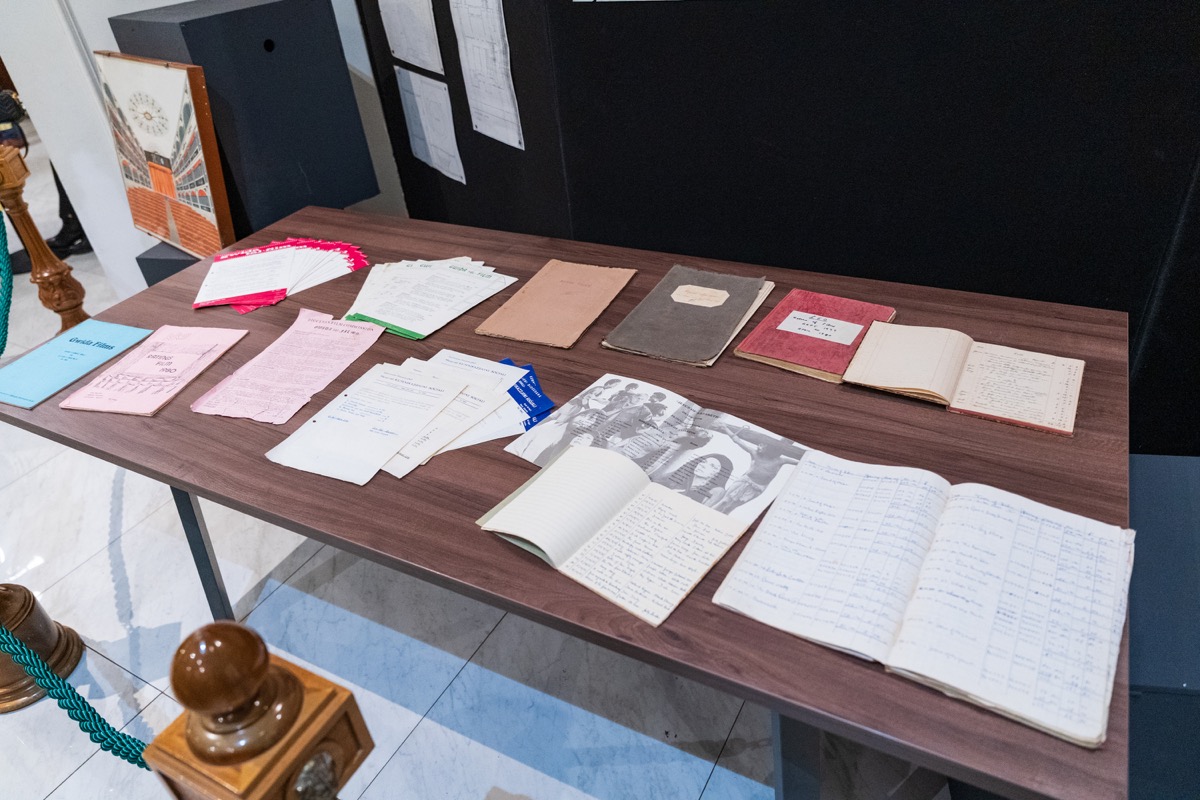
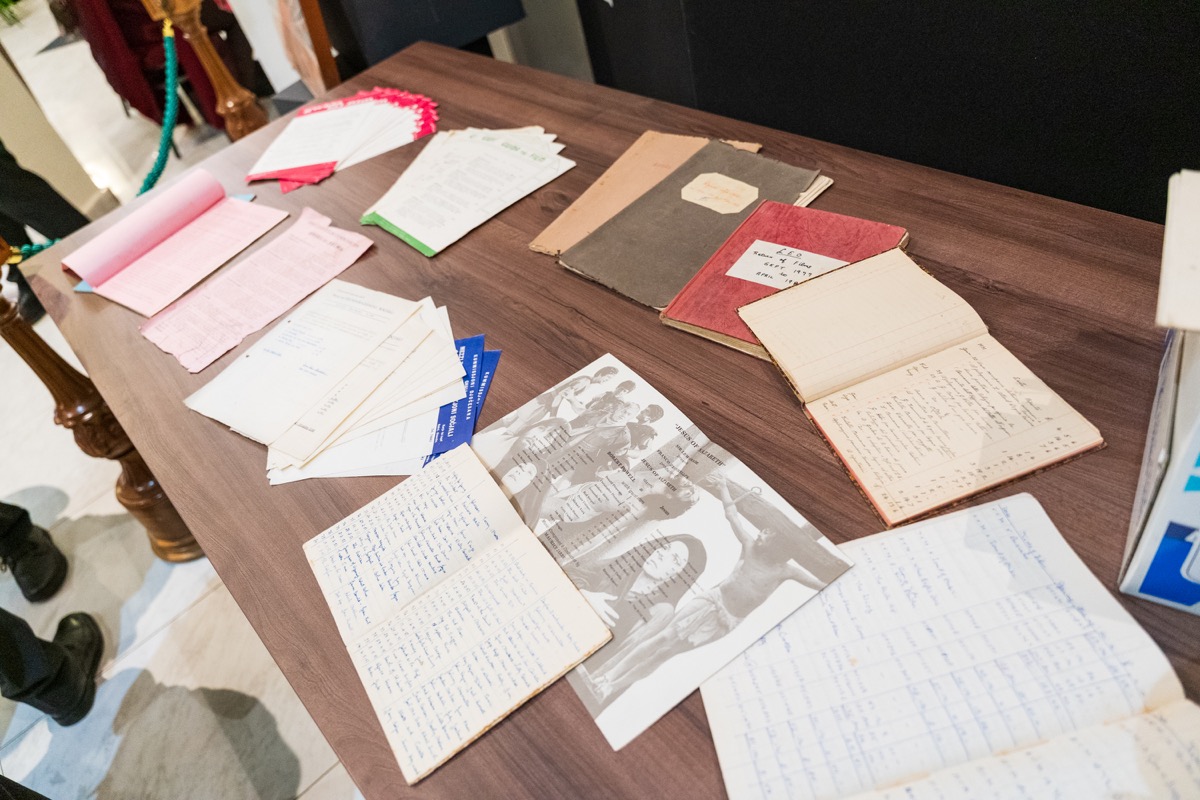
As the half-century celebrations of the Aurora kickstarted, the Theatre launched two special initiatives. The first one sees the collection of all names of contributors (paid and volunteers, deceased and alive) into a special pro memoria register. For this reason, the audience received entry coupons which will be collected with all the required details until the end of the year. The second initiative was a call for personal stories revolving around the Aurora. These will feed into the official story of the building and the institution being compiled.
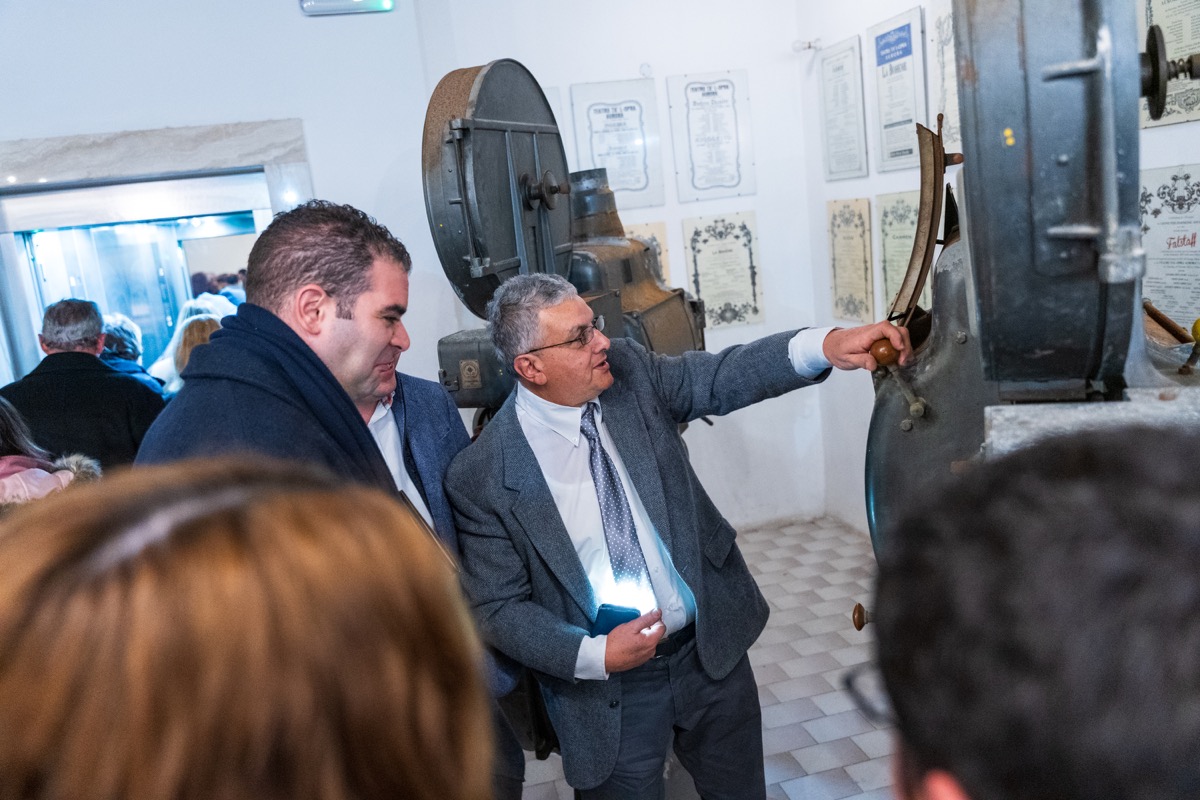
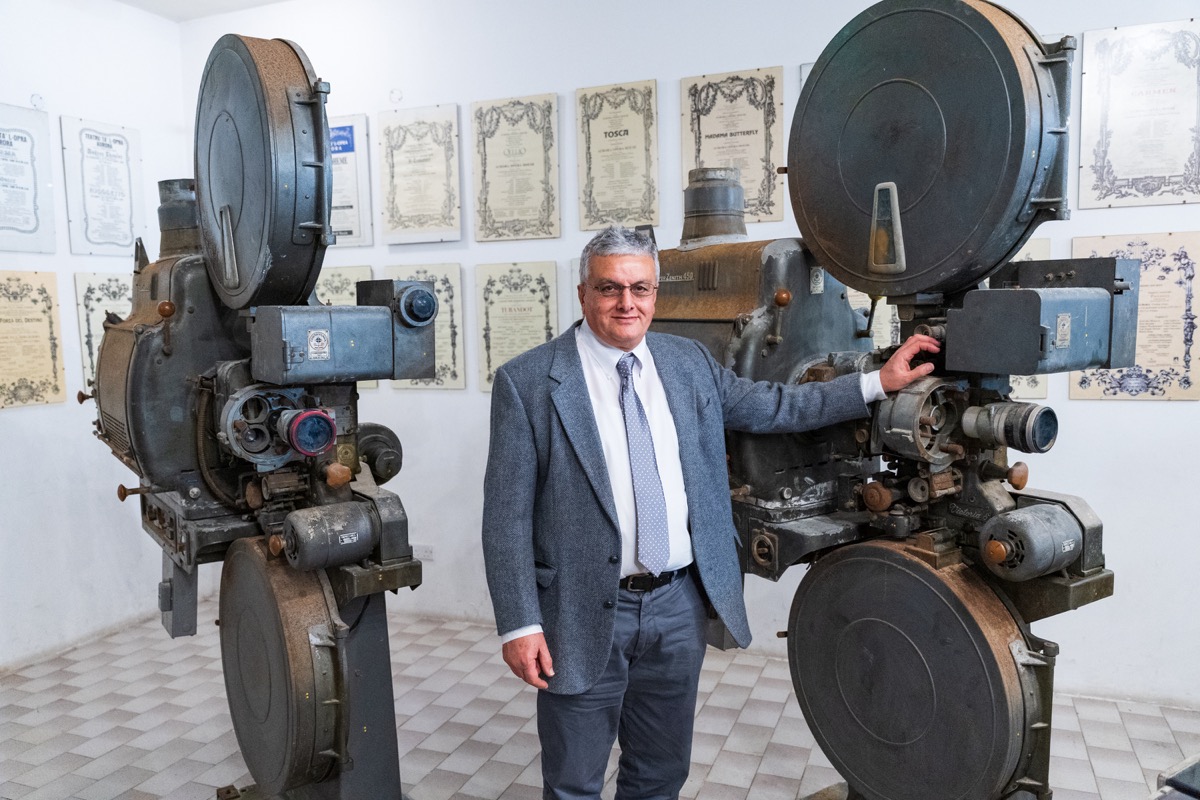
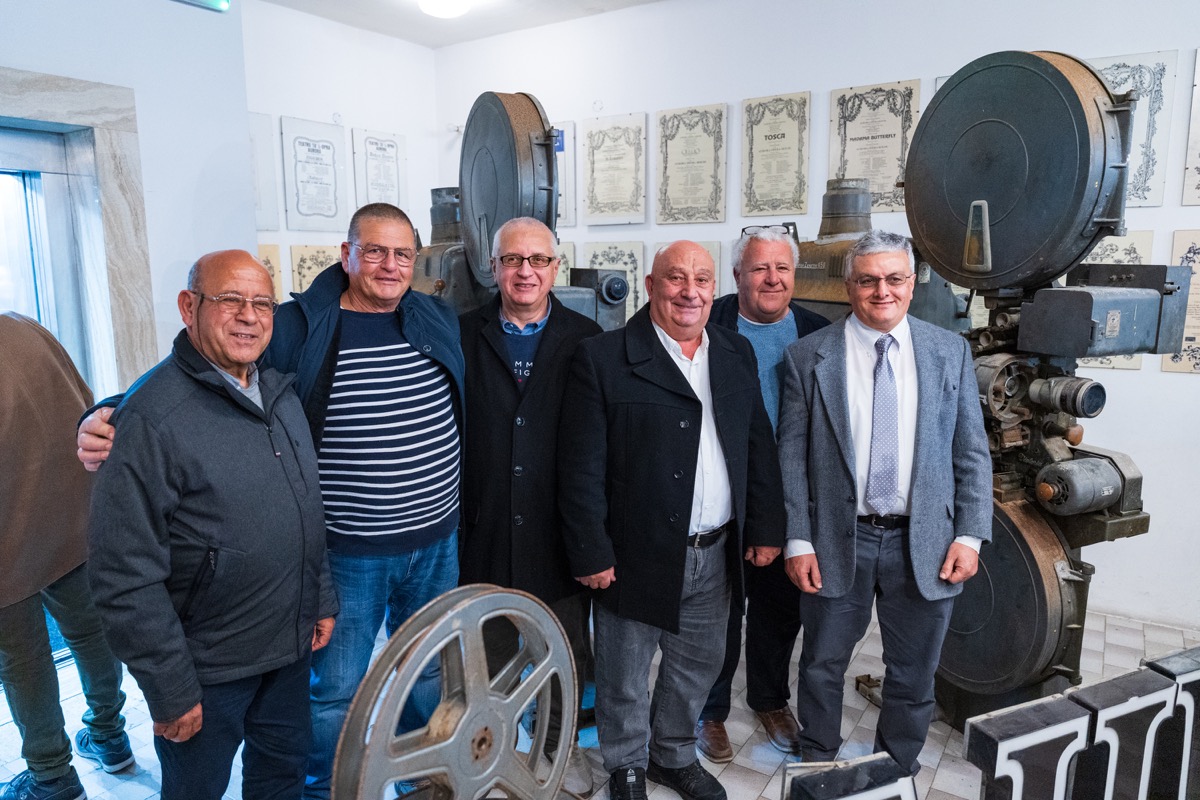
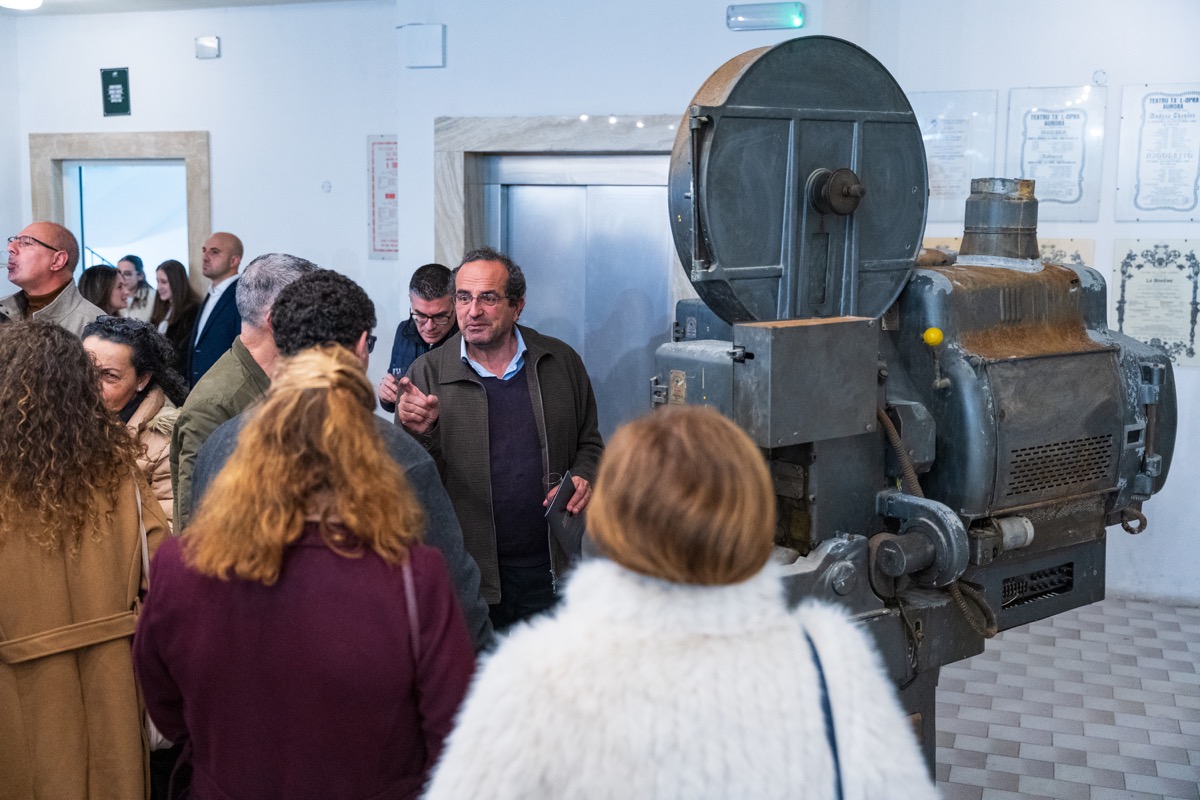
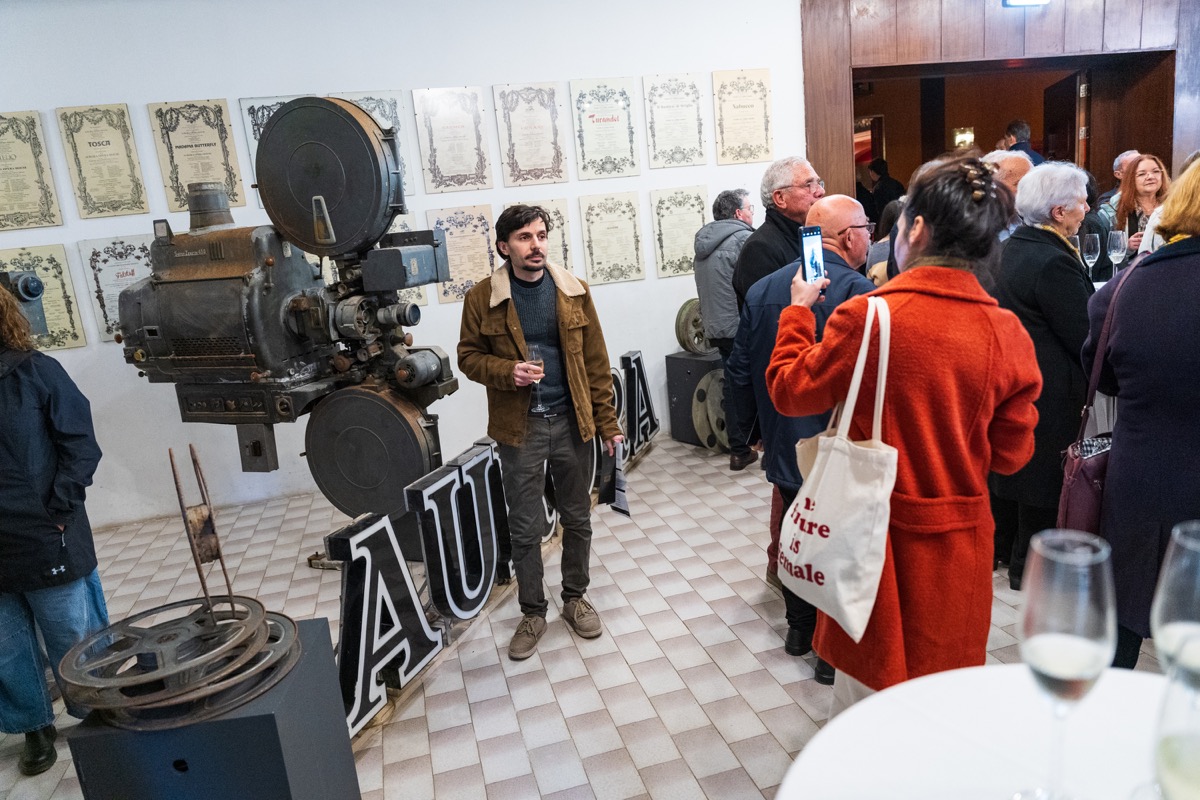
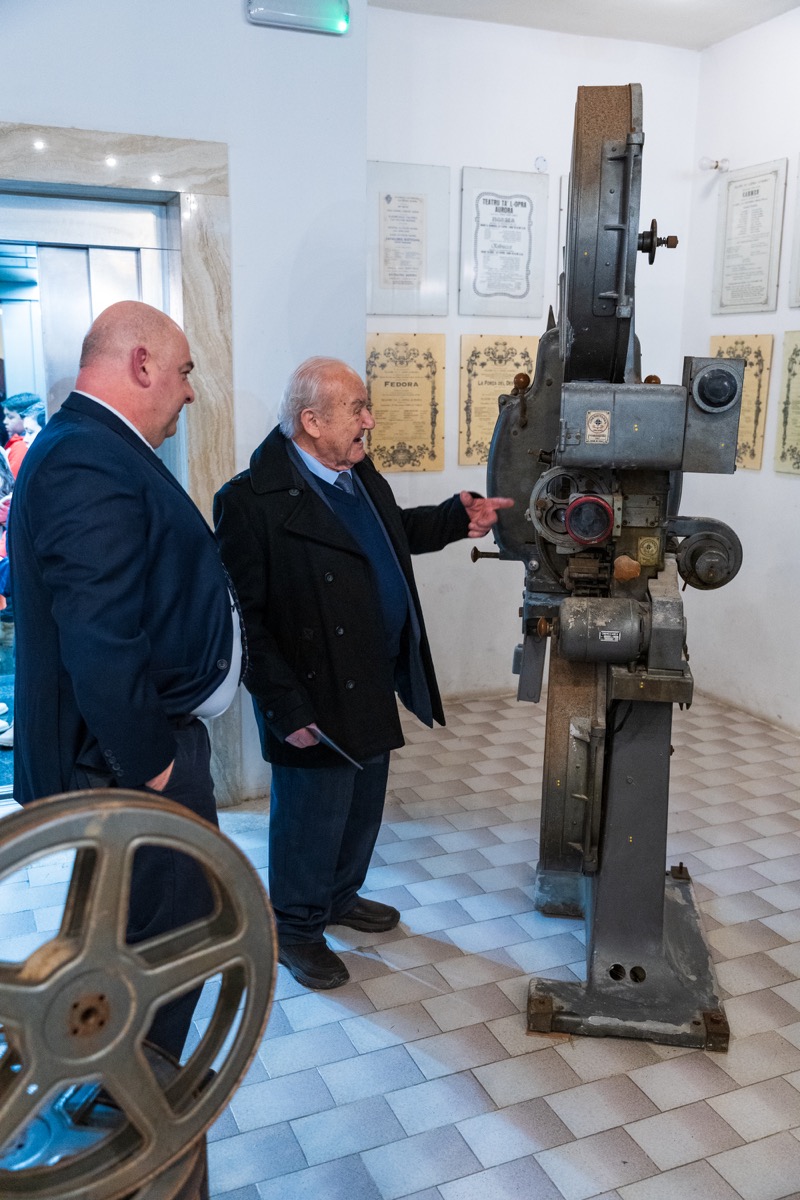
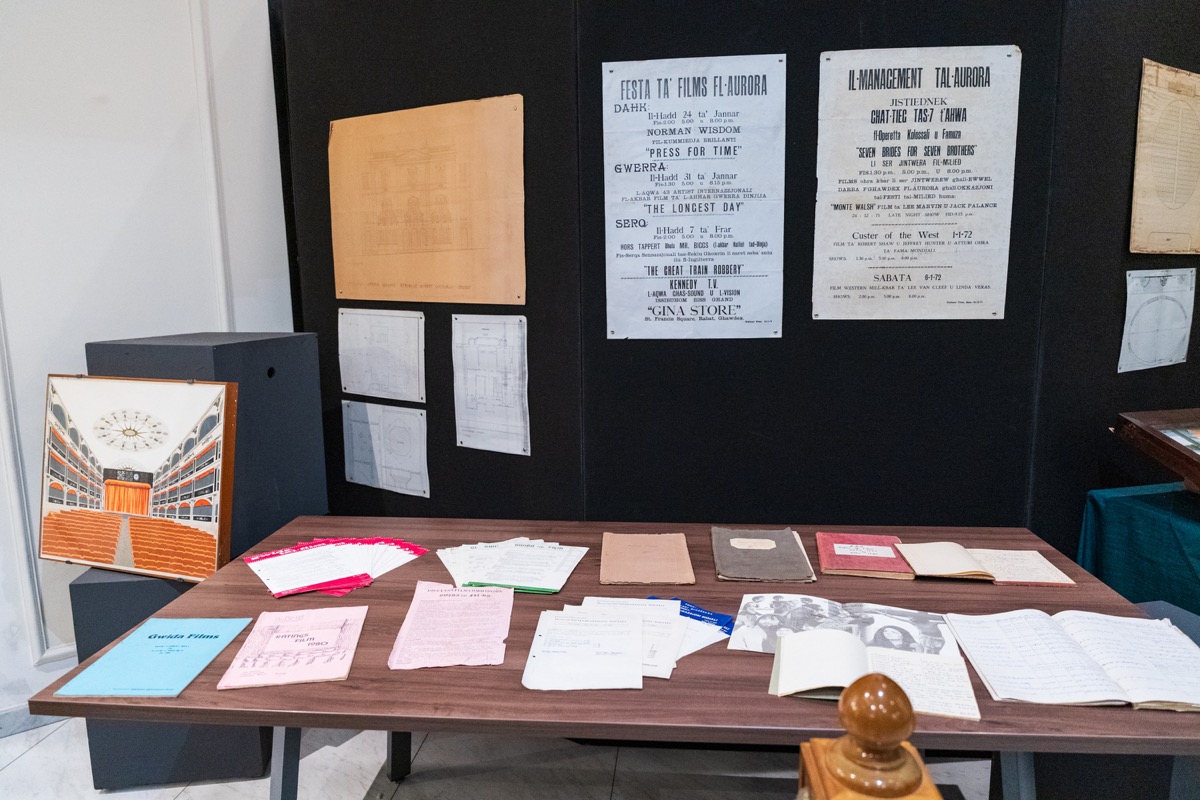
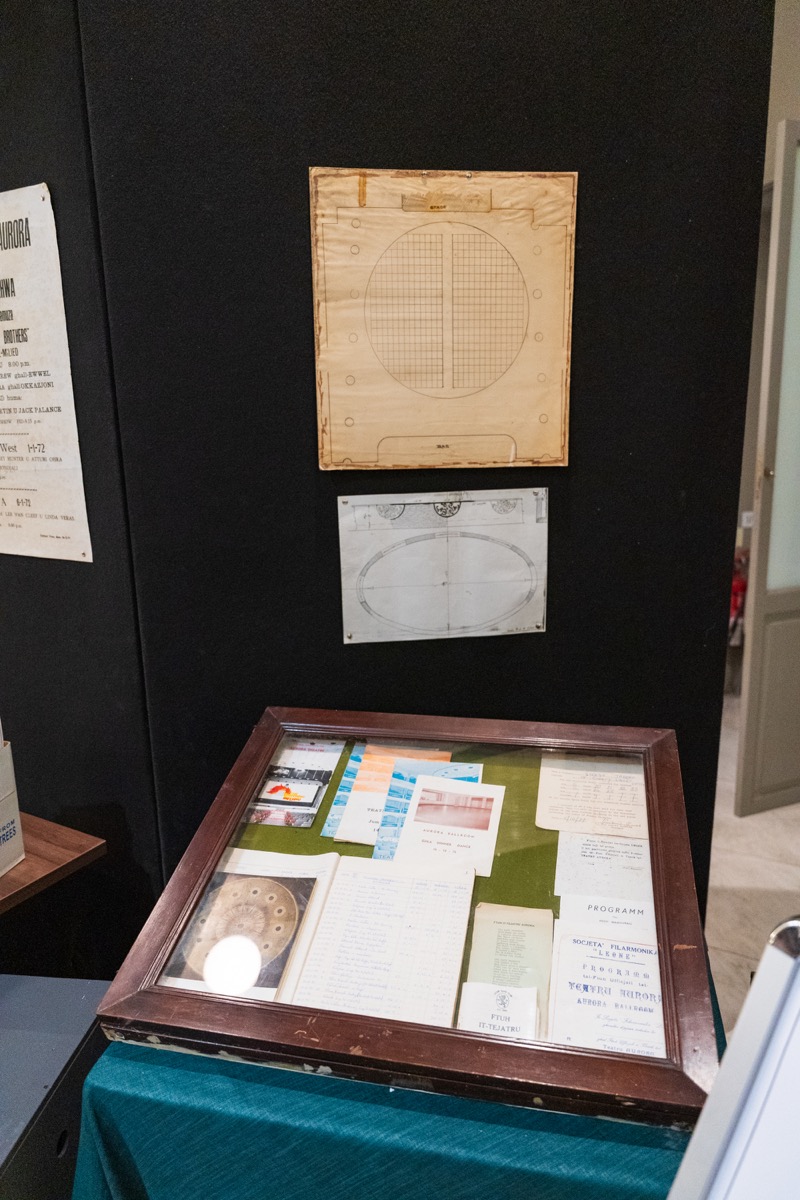
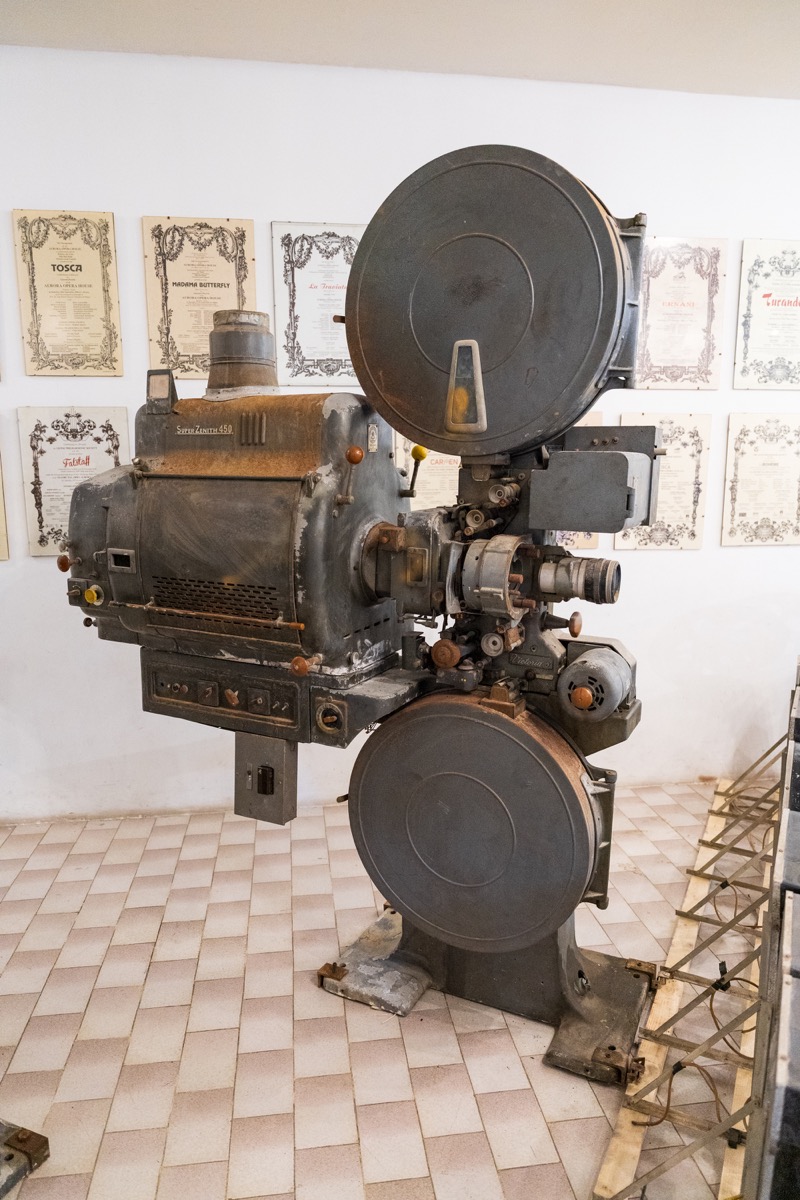
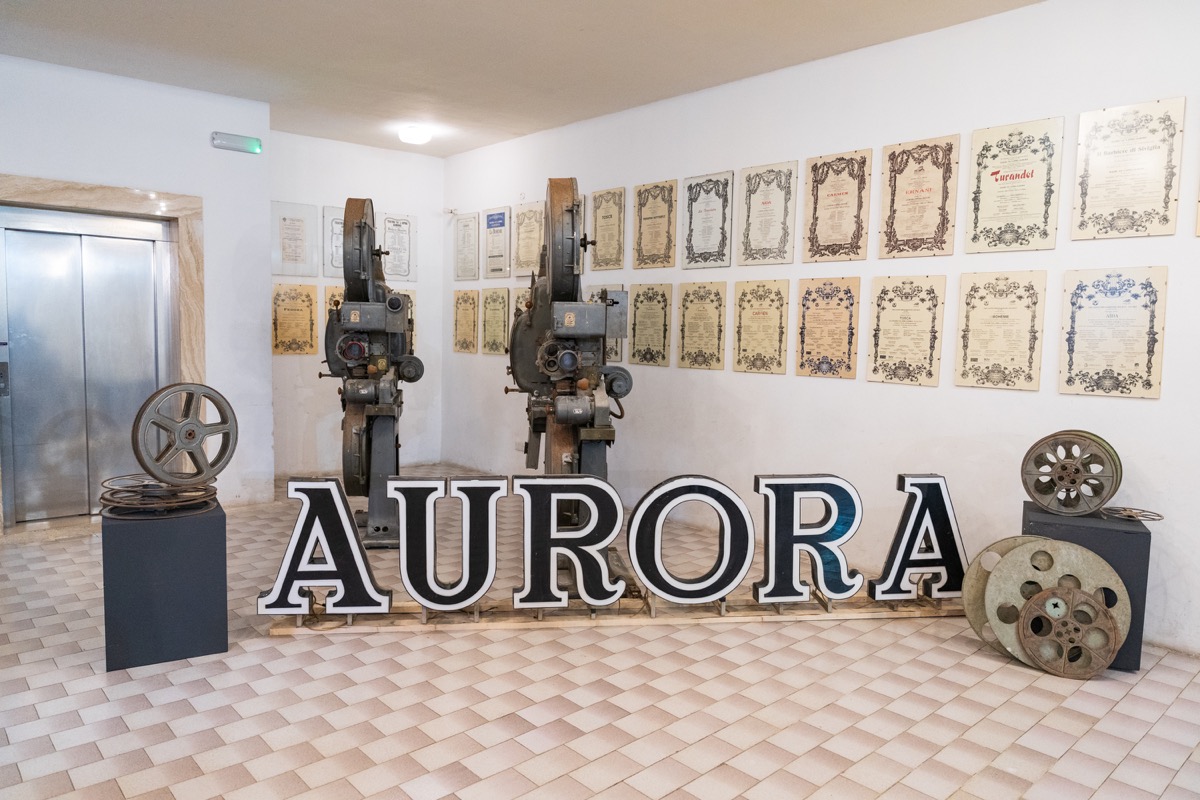
Aurora Resounds, a Royal Talkies encore was a true celebration of a place that is turning 50. It was lavishly decorated and illuminated for the night, as it proudly paraded two sets of cinema projectors and a revived authentic 1970s retro illuminated namesake signage, apart from the original Emvin Cremona bozzetto of the Opera House and other designs.